







Driving in Morocco for tourists can feel exciting, flexible and slightly intimidating at first, especially if you are starting your trip in Fes. The good news is that many visitors rent a car in Morocco every year and drive safely between cities, mountain roads, Roman ruins, coastal towns and desert routes. The key is to understand the road rules, stay patient in traffic, keep the right documents in the car and choose a vehicle that fits your itinerary.
From Fes, driving gives you easy access to places that are harder to enjoy by public transport, including Ifrane, Azrou, Volubilis, Meknes, Chefchaouen, the Middle Atlas and longer road trips toward the Sahara. This guide explains Morocco road rules, road signs, police checkpoints, safety habits, tourist mistakes and how to choose the right rental car before leaving Fes.
Is driving in Morocco safe?
Yes, driving in Morocco can be safe for tourists when you drive defensively and respect local road habits. The roads between major cities are generally usable, many highways are modern, and the main tourist routes are driven daily by rental cars, private drivers, buses and local families.
The main challenge is not usually the road itself. It is the mix of driving styles. In Moroccan cities, you may share the road with cars, taxis, scooters, pedestrians, delivery vehicles, carts and cyclists. In rural areas, you may meet slow trucks, animals, people walking near the shoulder and sudden speed-limit changes near villages. This is why calm driving matters more than fast driving.
From Fes, first-time tourists should take extra care inside the city and around medina-edge areas. Fes has narrow streets, busy local traffic and parking zones that may feel confusing if you just arrived. Once you leave the city, routes toward Meknes, Ifrane and Volubilis usually feel easier, but you still need to watch signs, speed limits and road conditions.
A smart rule is simple: drive slower than you think you need to. Give yourself more time, avoid night driving on unfamiliar rural roads, and do not copy impatient local drivers. International travel safety guidance also reminds travelers to carry a valid licence and insurance, wear seatbelts and follow local traffic laws when driving abroad.
Which side of the road and basic rules
In Morocco, vehicles drive on the right-hand side of the road. The steering wheel is usually on the left side of the car, similar to continental Europe, France, Spain and many North African countries.
For most tourists, the basic rules are easy to understand:
Drive on the right and overtake on the left. Respect traffic lights, stop signs, roundabouts and posted speed limits. Wear seatbelts. Do not use your phone while driving unless you have a proper hands-free setup. Keep your documents in the car and be ready for police checkpoints.
Speed limits can vary depending on the road and the posted sign. NARSA, Morocco’s national road safety agency, states that national roads are generally limited to 80 km/h, some sections may allow 100 km/h, and motorways are limited to 120 km/h. Drivers should also adapt their speed to weather, road condition and their own state of alertness.
In practice, tourists should follow the sign in front of them, not just the “normal” limit they read online. A road may drop from 100 km/h to 80 km/h or 60 km/h near a town, school, market, checkpoint or construction zone. Speed cameras and police controls are common on busy routes.
Roundabouts are common in Morocco. In many cases, vehicles already inside the roundabout have priority, but local behavior can be unpredictable. Enter slowly, look left, check motorcycles and do not assume everyone will follow the same rule at the same moment.
Road signs and what they mean
Moroccan road signs are usually easy for European drivers to understand because many signs use international symbols. You will see speed-limit signs, stop signs, no-entry signs, no-parking signs, direction signs, pedestrian crossing signs and danger signs for curves, animals, falling rocks or roadworks.
Many direction signs are written in Arabic and French. On major roads, tourist destinations and large cities are usually clear enough to follow. Around Fes, you may see signs for Meknes, Ifrane, Sefrou, Taza, Rabat, Casablanca and other cities.
The most important signs for tourists are speed-limit signs. These can change quickly, especially when entering villages or passing through built-up areas. A 100 km/h road can become 80 km/h or 60 km/h for a short section, then return to a higher limit later. Do not rely only on GPS. Look at the road.
Red circular signs usually show restrictions, such as maximum speed, no entry or no overtaking. Triangular signs warn you about hazards. Blue signs often give instructions or directions. Green signs are often used for motorway routes, while other direction signs may show national or regional roads.
Parking signs also matter in Fes. Some areas near the old medina are not practical for casual tourist parking. It is better to park in a proper paid parking area or ask your rental team where to stop safely. For airport pickup, city pickup or hotel delivery, booking through car rental Fes helps you avoid the stress of finding the right place on arrival.
Police checkpoints explained
Police checkpoints are common in Morocco, especially near city entrances, major junctions, highways, ports, tourist routes and regional roads. For tourists, they are usually routine and not something to fear.
As you approach a checkpoint, slow down early. Look at the officer’s hand signal. Sometimes they wave you through. Sometimes they ask you to stop. Keep calm, open the window, greet politely and wait for instructions. Do not make sudden movements or try to drive past without being waved through.
The officer may ask for your passport, driving licence, rental contract, insurance or vehicle papers. This is why you should keep documents together in the glove box or a safe folder. The UK travel advice for Morocco says drivers should always carry insurance, licence and registration documents with them.
If you are stopped for a traffic issue, stay respectful and ask for clarification. Do not argue aggressively. If there is a fine, ask for the proper receipt. For simple checkpoints, most stops are quick when the car is legal, the documents are correct and the driver is calm.
From Fes, checkpoints may appear on roads toward Meknes, Ifrane, Taza, Chefchaouen and other routes. They are part of normal road management and security in Morocco.
City vs rural vs mountain driving
Driving in Morocco changes a lot depending on where you are.
City driving is the most intense. In Fes, expect taxis stopping suddenly, scooters moving between lanes, pedestrians crossing without waiting, delivery vehicles blocking narrow streets and drivers using the horn often. Your best strategy is to drive slowly, keep space around the car and avoid entering narrow medina streets unless you know exactly where you are going.
Rural driving is usually more relaxed, but it has its own risks. Outside the city, you may see animals, tractors, people walking along the road, trucks moving slowly uphill and vehicles overtaking in places where tourists would not expect it. Stay alert even when the road looks empty.
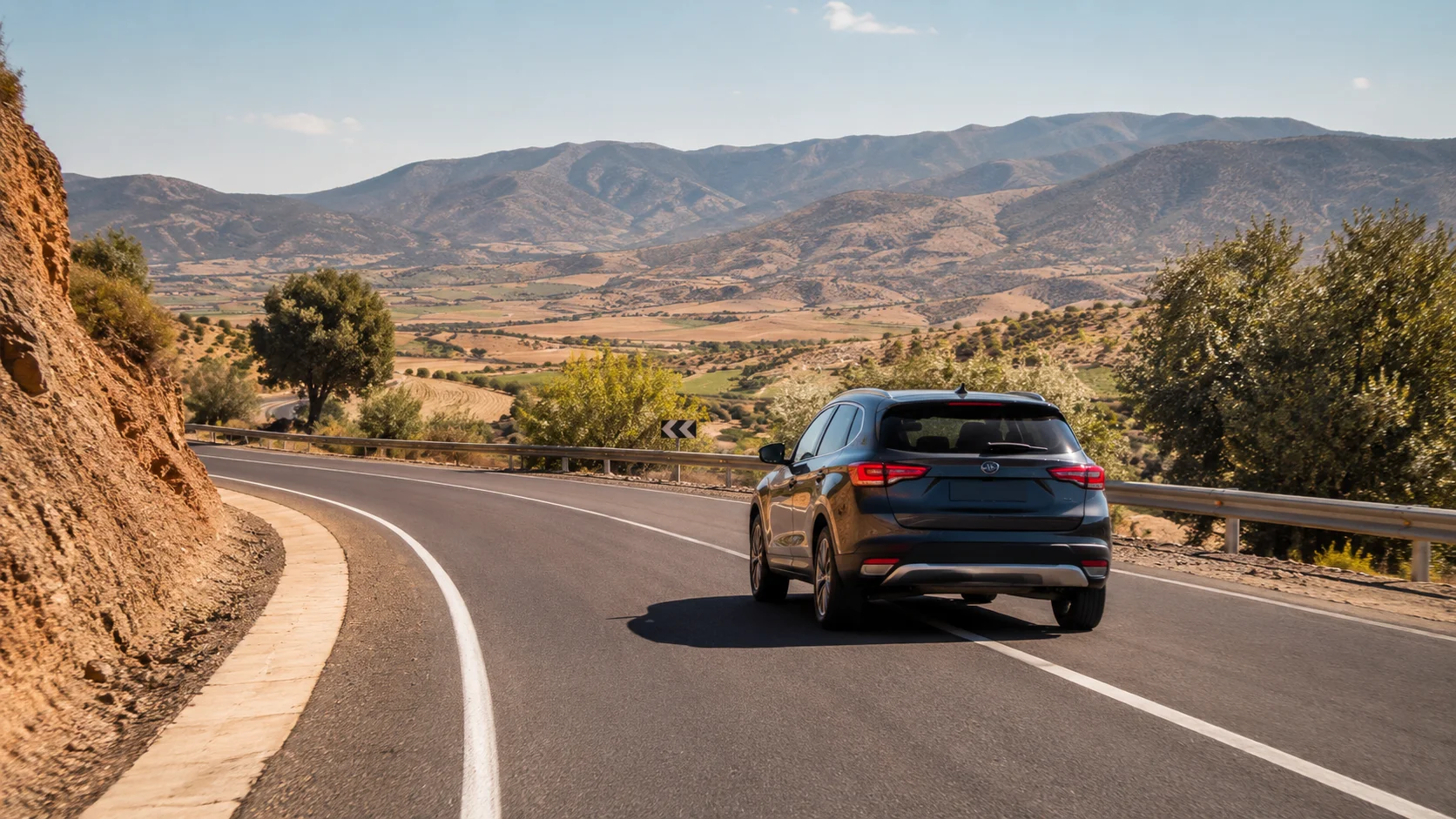
Mountain driving is beautiful but slower. From Fes, routes toward Ifrane, Azrou, the Middle Atlas and longer drives toward the south can include curves, elevation changes, fog, rain, snow in winter and sudden changes in road surface. Do not rush mountain roads. Use lower gears on descents, avoid hard braking for long periods and stop for breaks when tired.
Night driving is not ideal for first-time visitors. Some rural roads have limited lighting, and hazards can appear late, including animals, pedestrians, cyclists or vehicles without strong lights. If your flight arrives late at Fes airport, consider a short first drive to your hotel and begin the longer road trip the next morning.
Documents to keep in the car
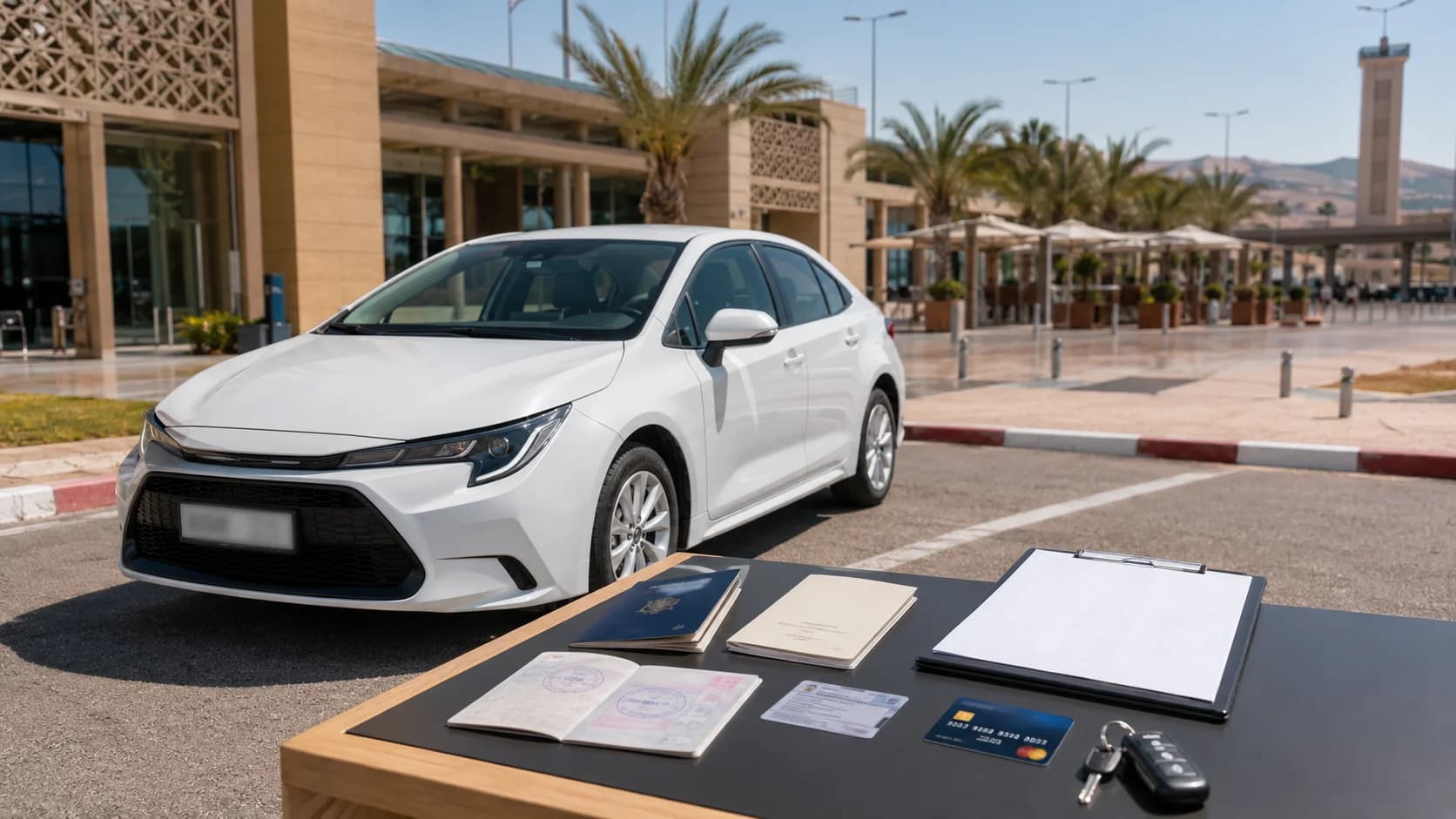
Tourists should keep the following documents available when driving in Morocco:
A valid driving licence, passport or passport copy, rental contract, vehicle registration papers, insurance documents and, when useful or required by your rental terms, an International Driving Permit.
The U.S. State Department says foreign driving licences are valid for use in Morocco for up to one year. After that, foreign residents must obtain a Moroccan driving licence.
For short tourist trips, many visitors drive with their national licence. However, an International Driving Permit is still useful if your licence is not in Latin characters, if your rental company asks for it, or if you want smoother communication during police checks. The IDP does not replace your real licence. It supports it.
Before leaving the rental location, check that the vehicle papers and insurance documents are inside the car. Ask your rental team where they are stored and what to show at checkpoints. With MarHire Car Fes, the local team can explain the documents before you drive and stay available on WhatsApp if you have a question during the trip.
Common tourist mistakes
The first common mistake is underestimating drive times. On a map, places can look close, but mountain roads, village speed limits, checkpoints, rest stops and city exits can make the trip longer. Fes to Ifrane is simple, but Fes to Chefchaouen, Merzouga or Marrakech needs better planning.
The second mistake is trusting GPS too much. GPS may send you through narrow streets, old medina edges or rural shortcuts that are not comfortable for tourists. Always compare the route with main roads and ask your rental team before long drives.
The third mistake is ignoring speed-limit changes. Morocco has many short sections where the limit drops suddenly. A careful driver watches every sign, especially near towns and checkpoints.
The fourth mistake is parking anywhere that looks empty. In Fes, some areas are controlled, crowded or not suitable for tourists. Use proper parking zones and avoid blocking traffic, gates or shop entrances.
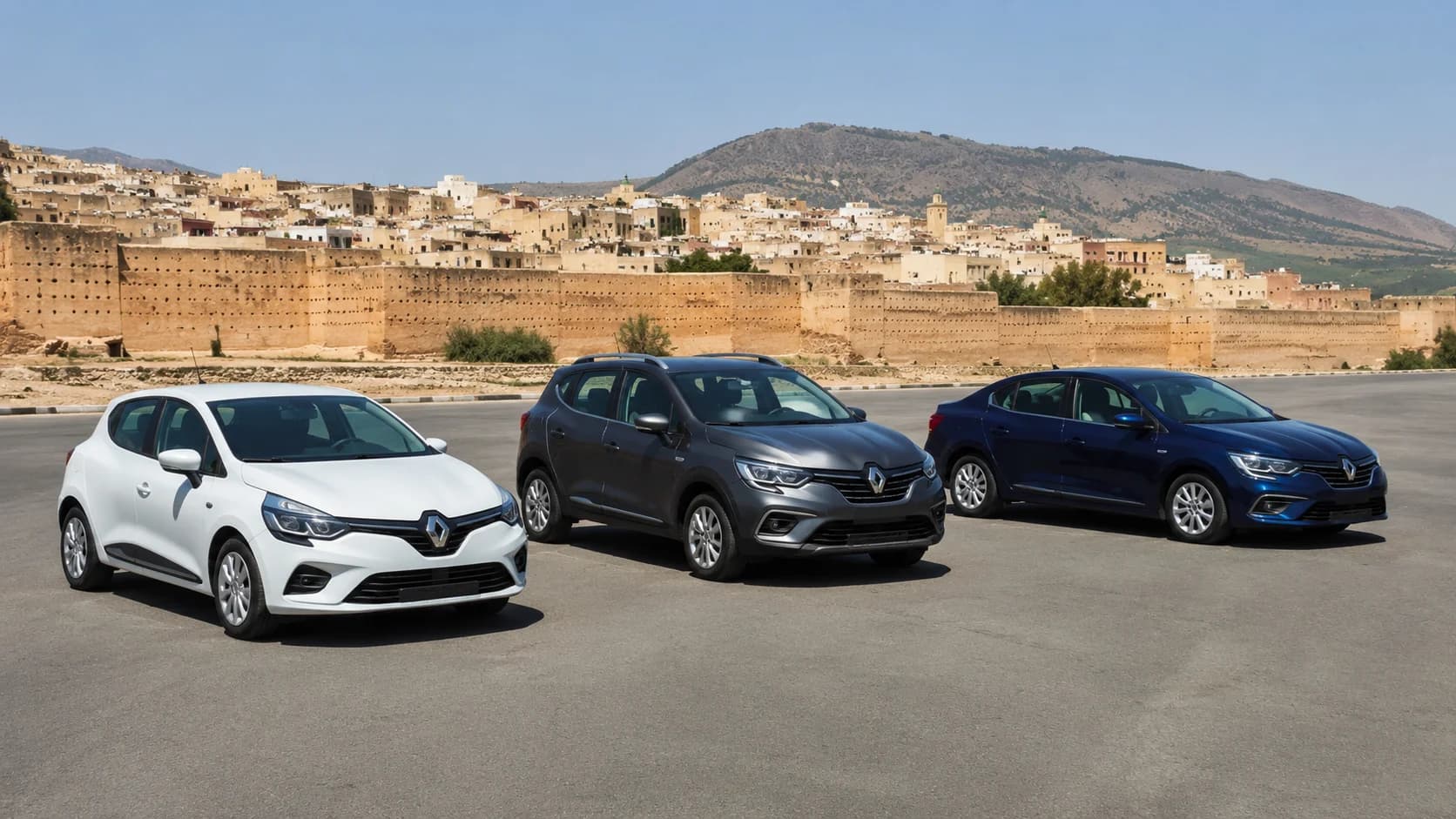
The fifth mistake is choosing the wrong car. A small sedan may be perfect for Fes, Meknes and Volubilis. An SUV may be better for mountain roads, family luggage or rural day trips. Do not choose only by price. Choose by route, comfort and luggage needs.
The sixth mistake is driving tired after arrival. If you land after a long flight, keep the first day simple. Pick up the car, reach your hotel, rest and start the real road trip fresh.
Choosing the right rental car
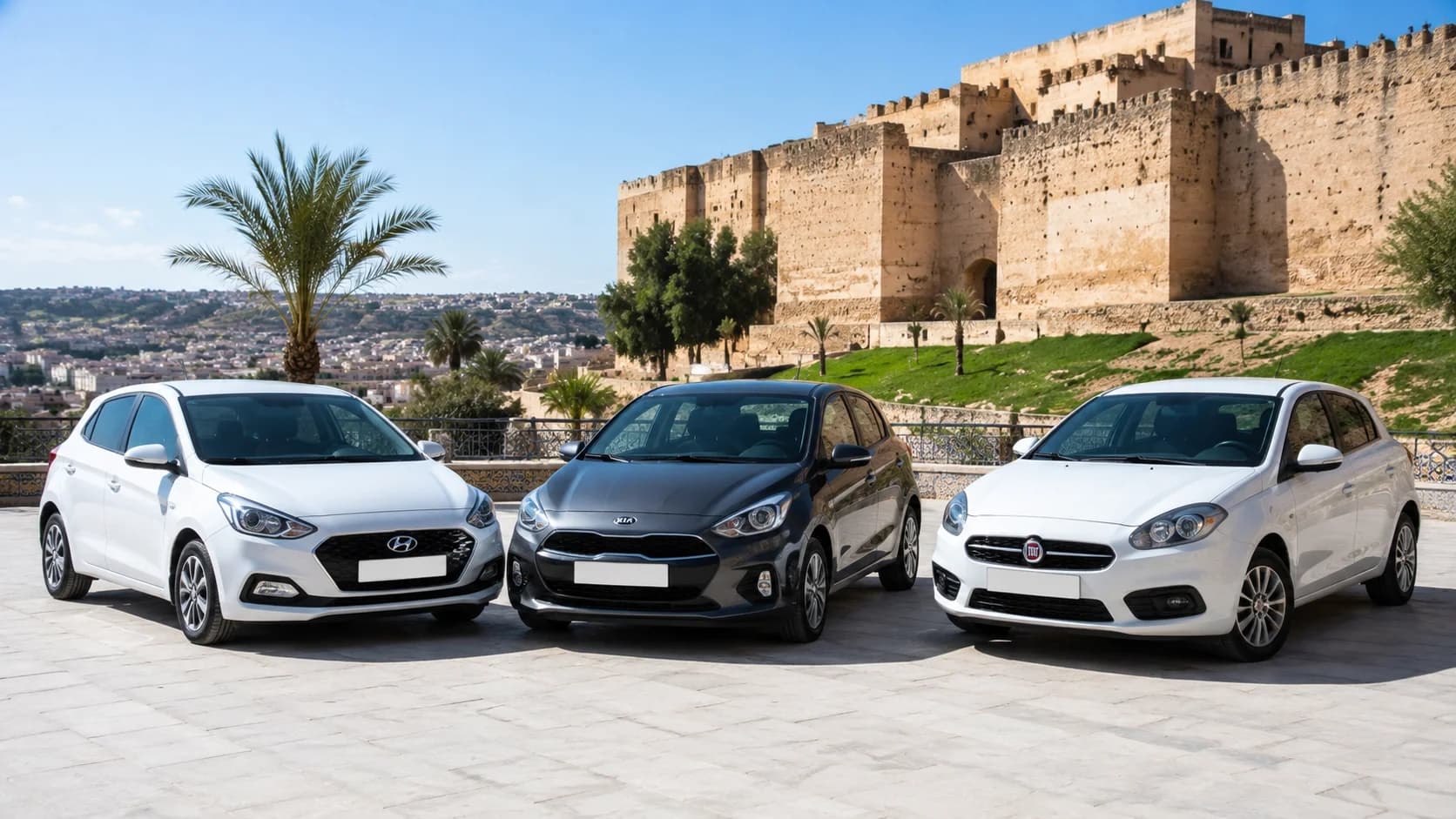
The best rental car in Fes depends on your route.
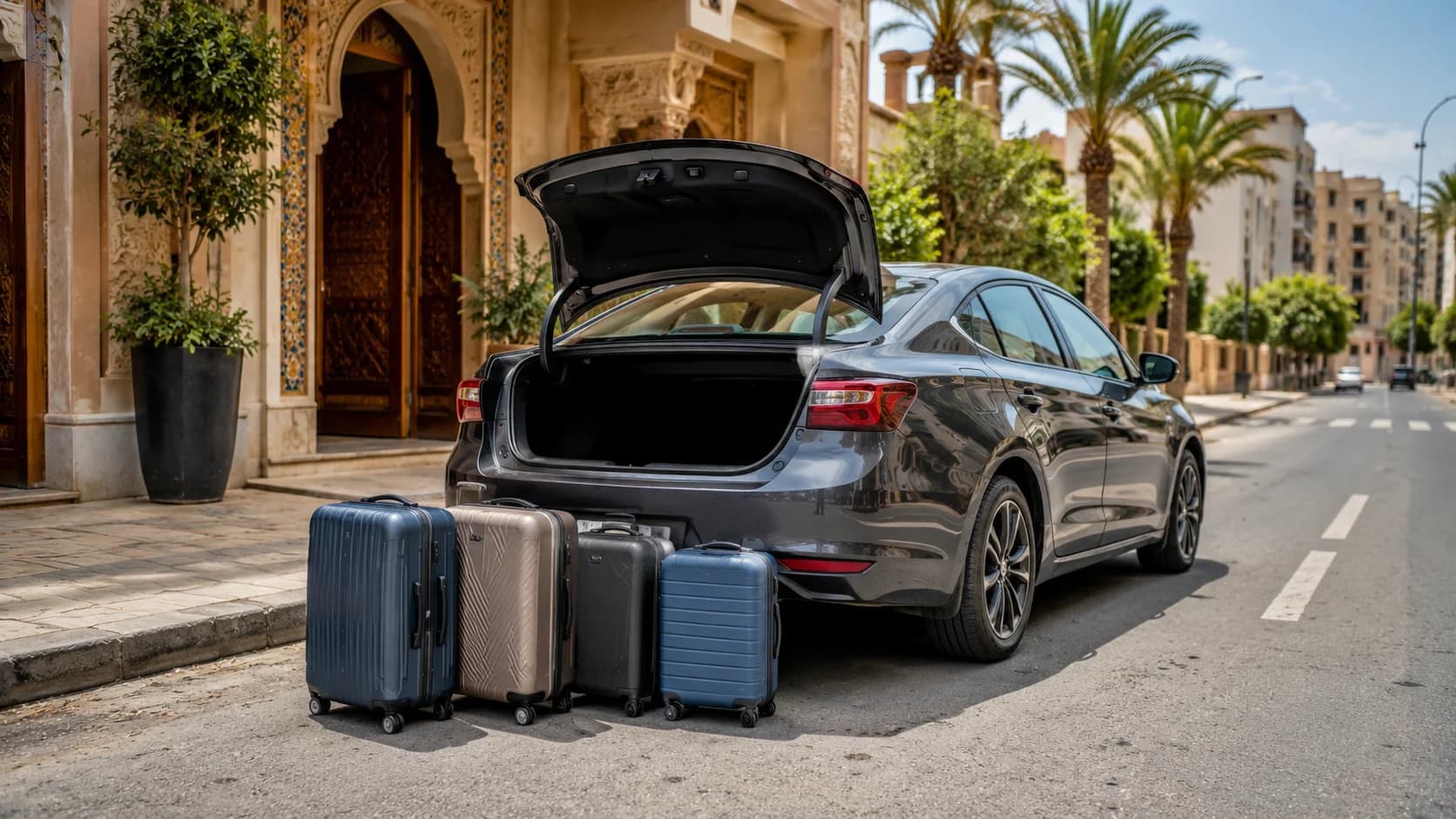
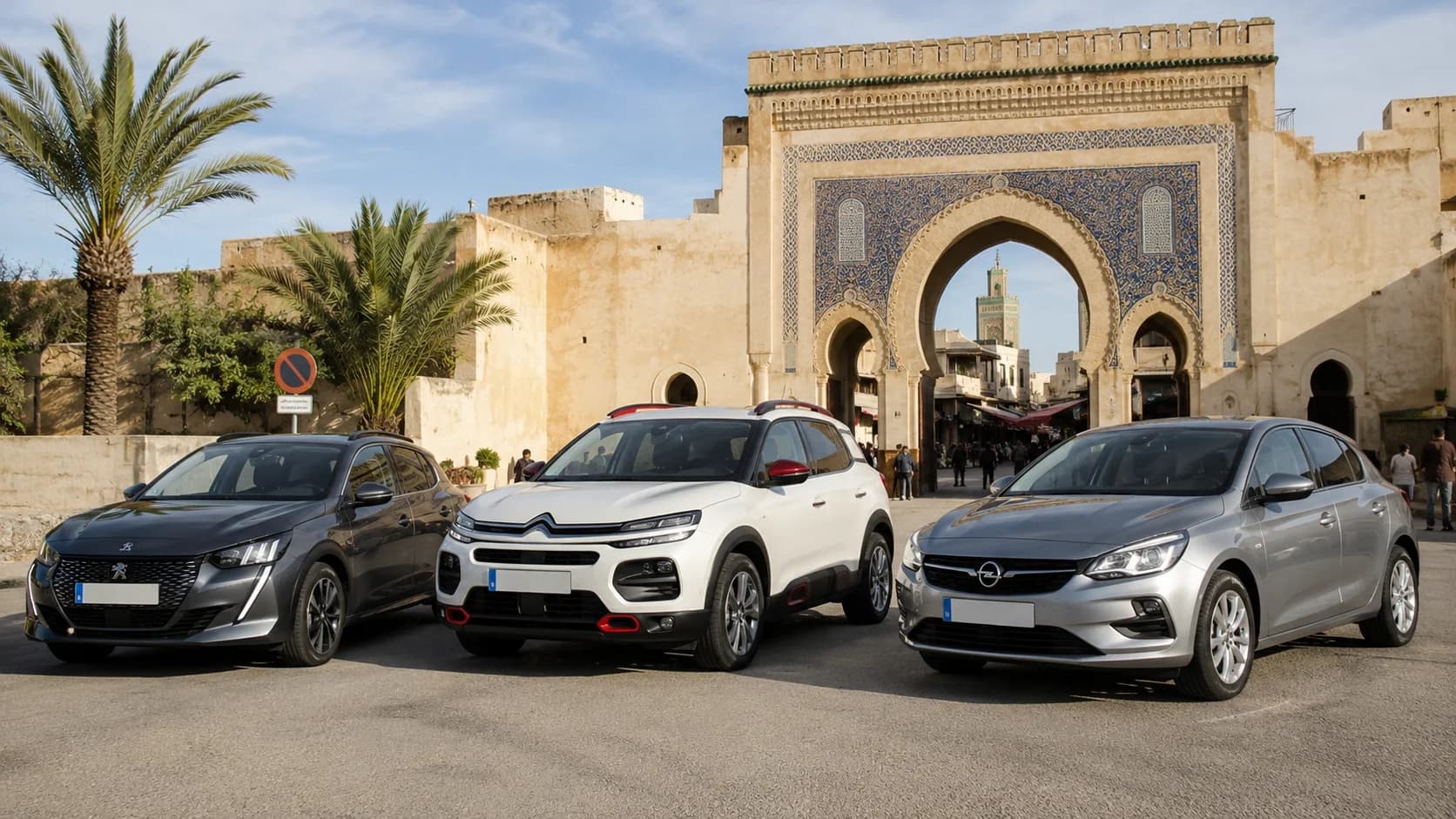
For city driving, airport pickup, couples and simple day trips, a sedan is usually practical. It is comfortable, easier to park than a large vehicle and suitable for paved roads between Fes, Meknes, Volubilis, Ifrane and Sefrou. You can compare options through sedan rental Fes.
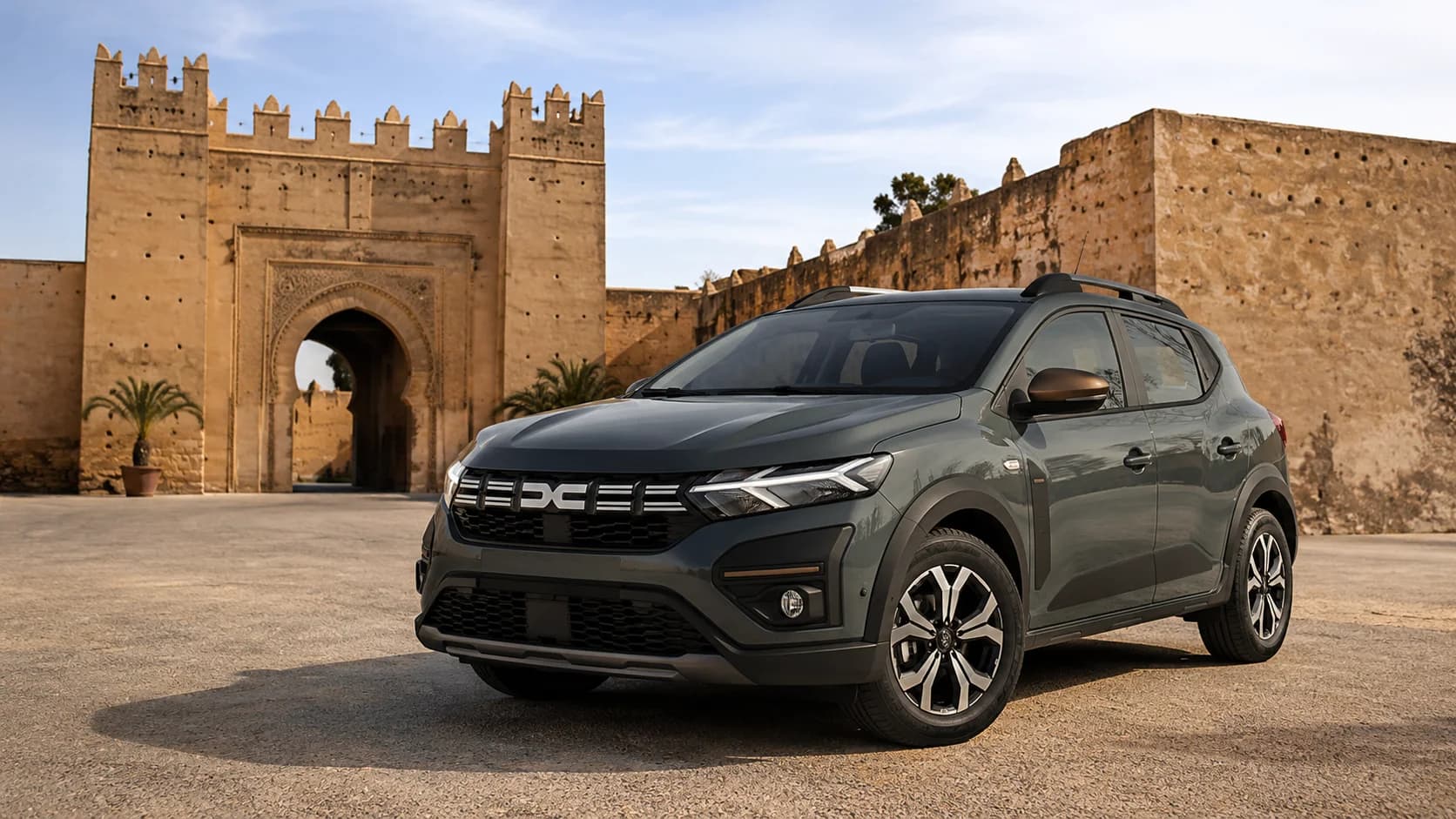
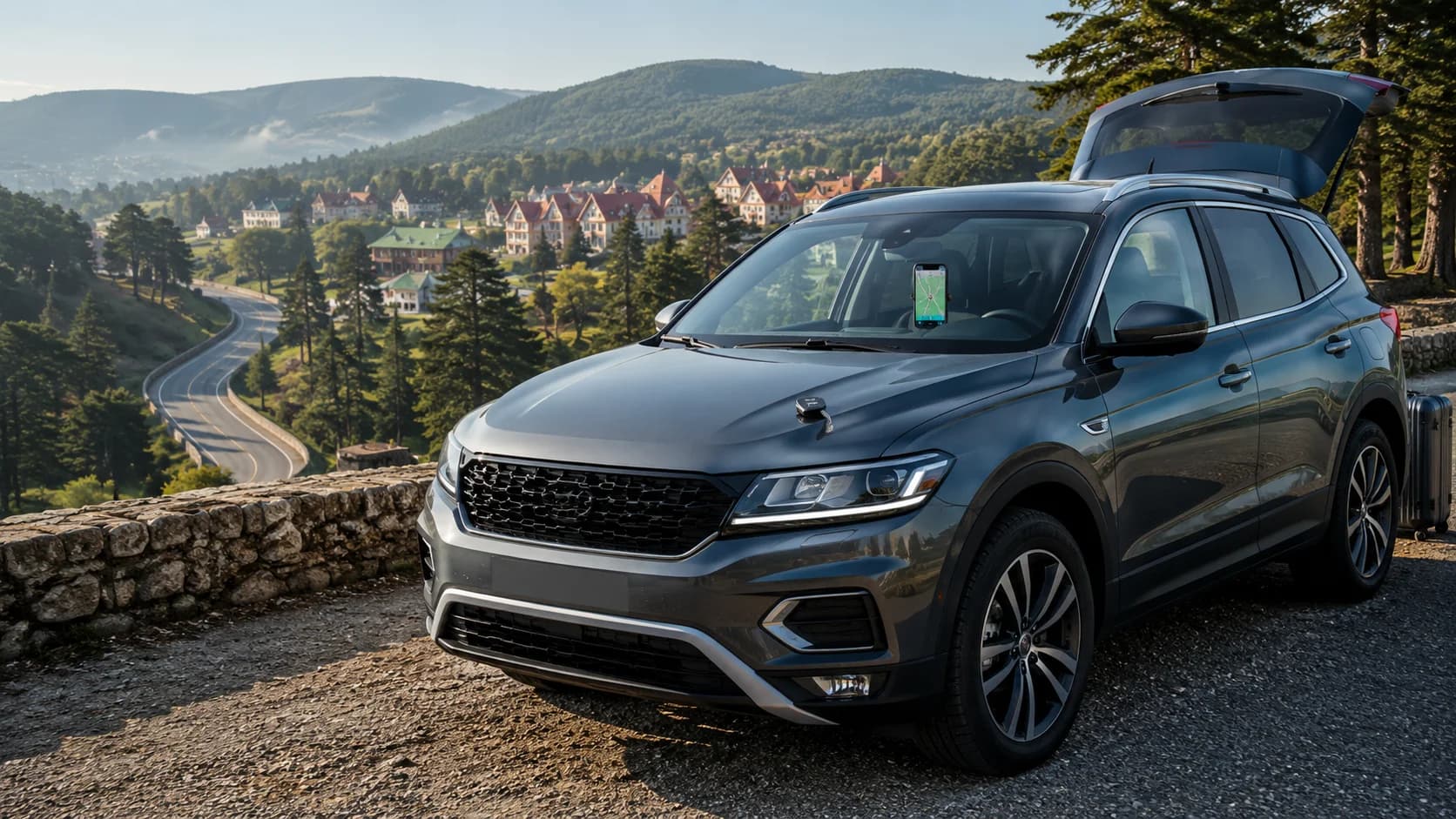
For families, mountain routes or travelers with more luggage, an SUV can be more comfortable. It gives more height, more space and a stronger feeling on rural roads. It is useful if your itinerary includes the Middle Atlas, long-distance routes or countryside stays. You can check SUV rental Fes.
For first-time tourists, automatic cars can make driving easier, especially in city traffic or hills. Manual cars are common in Morocco, but tourists who are not fully comfortable with manual gear changes should book automatic in advance.
Before confirming the car, think about luggage, road type, parking, fuel use, number of passengers and whether you will drive only around Fes or continue across Morocco. A local rental team can help match the vehicle to the route instead of pushing the biggest car.
Driving etiquette and the horn
The horn is part of daily driving in Morocco. It is not always aggressive. Drivers may use it to warn, announce that they are passing, alert pedestrians or communicate in busy streets.
In Fes, you may hear horns often near intersections, taxi stops, markets and roundabouts. Do not panic. Stay in your lane, keep your speed steady and let impatient drivers pass when safe.
Moroccan drivers may also use flashing lights to warn about danger, signal that they are overtaking or communicate on narrow roads. Trucks may indicate when the road ahead is clear, but tourists should never overtake only because another driver signals. Always check for yourself.
Pedestrians may cross in places where you do not expect them. Scooters may appear beside you. Taxis may stop quickly when they see a passenger. Defensive driving is the safest attitude.
The best etiquette is simple: be patient, avoid road rage, do not compete with local drivers, use your indicators early and give space whenever possible.
Quick pre-drive checklist
Before driving from Fes, take five minutes to check the car and route.
Make sure your driving licence, passport copy, rental contract, insurance and vehicle papers are in the car. Check fuel level, tires, lights, mirrors, wipers and dashboard warnings. Adjust your seat and mirrors before moving. Connect your phone navigation before leaving, not while driving. Save the rental team’s WhatsApp number. Confirm the route and parking plan. Check whether your trip includes toll roads, mountain roads or late arrival. Keep water with you and avoid starting long drives when tired.
A calm start makes the whole trip easier.
FAQs
Is it safe to drive in Morocco as a tourist?
Yes, many tourists drive safely in Morocco. The safest approach is to drive defensively, respect speed limits, avoid risky overtaking, stay patient in cities and avoid unfamiliar rural roads at night.
Which side of the road do you drive on in Morocco?
In Morocco, you drive on the right-hand side of the road and overtake on the left.
Do you need an International Driving Permit in Morocco?
Many tourists can drive with a valid foreign licence, but an International Driving Permit is useful and may be requested by some rental companies. It is especially helpful if your licence is not written in Latin characters.
What documents do you need to drive in Morocco?
You should keep your driving licence, passport or passport copy, rental contract, insurance documents and vehicle registration papers in the car. Official travel advice also recommends carrying licence, insurance and registration documents when driving in Morocco.
Are police checkpoints common in Morocco?
Yes, police checkpoints are common on Moroccan roads. They are usually routine. Slow down, follow the officer’s signal and keep your documents ready.
What happens if police stop you in Morocco?
You may be asked for your licence, passport, rental contract, insurance or vehicle papers. Stay calm, answer politely and show the requested documents.
Is it hard to drive in Moroccan cities?
City driving can be challenging at first because of taxis, scooters, pedestrians and narrow streets. Fes can feel busy near the medina, so first-time visitors should drive slowly and park in proper areas.
Can you use a foreign licence to drive in Morocco?
Yes, foreign driving licences are valid for use in Morocco for up to one year, according to U.S. State Department travel information. Longer-term residents need to follow Moroccan licence rules.
Should you avoid driving at night in Morocco?
For first-time visitors, avoiding night driving is a good idea, especially on rural and mountain roads. Lighting can be limited and unexpected hazards are harder to see.
What is the best car for first-time drivers in Morocco?
For most first-time drivers starting in Fes, a sedan is the easiest choice for city driving and paved day trips. An SUV is better for families, luggage, mountain routes and longer road trips.
Drive with confidence from day one. Book your no-deposit rental from MarHire Car Fes and get a local team on WhatsApp 24/7 for any question on the road. Whether you need a simple city car, a comfortable sedan or an SUV for mountain routes, MarHire Car Fes helps you choose the right vehicle before you leave the city.