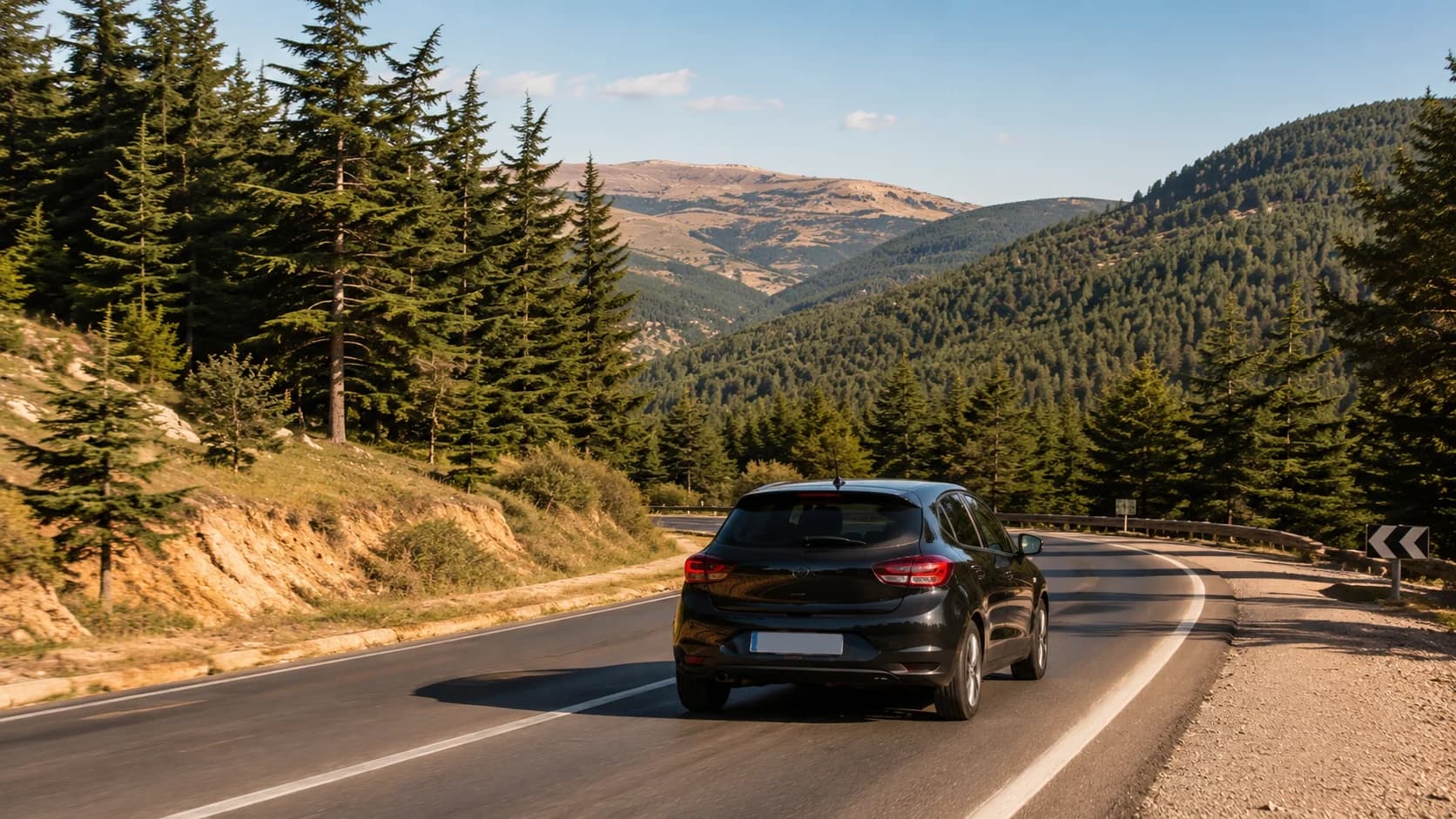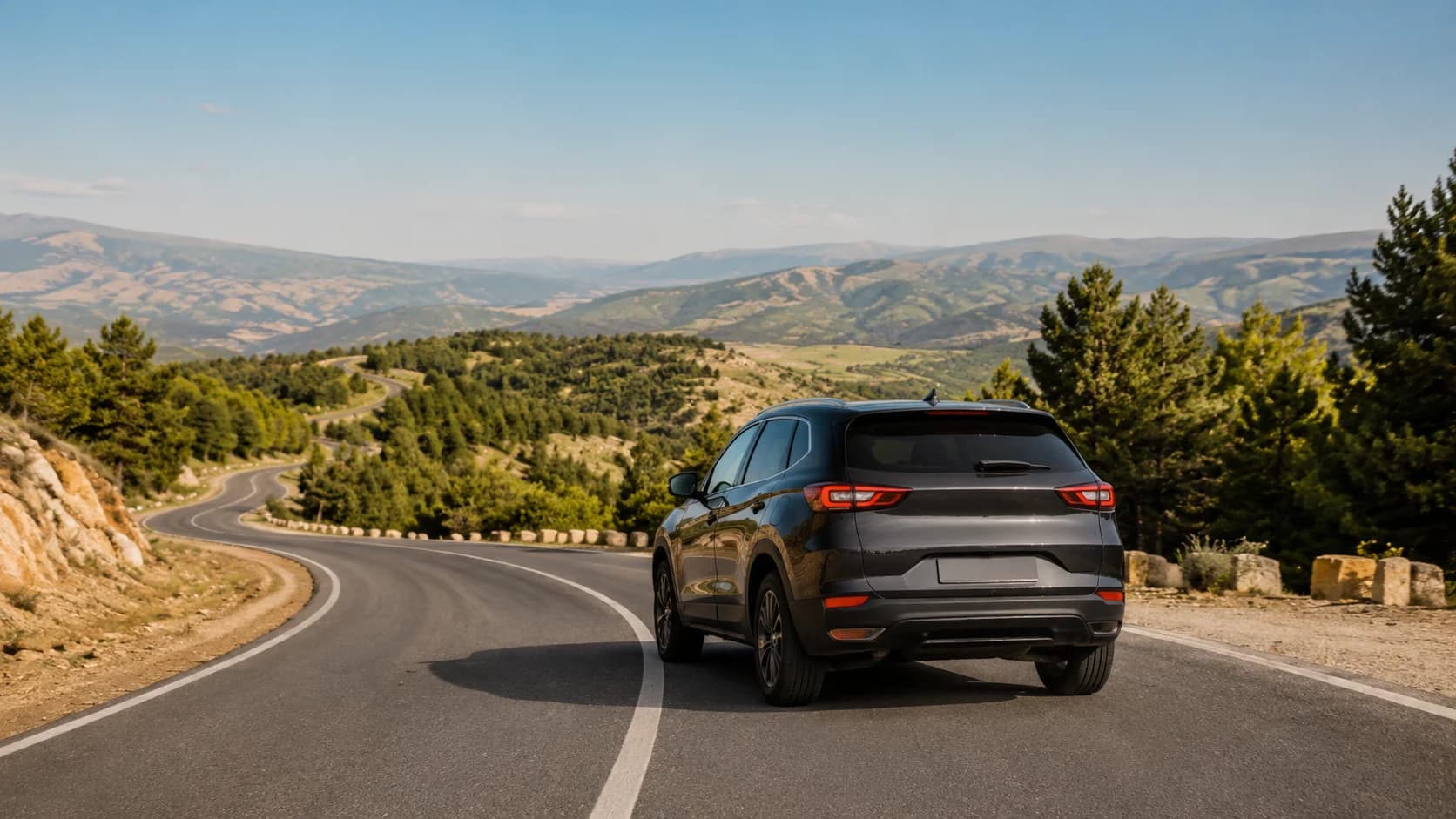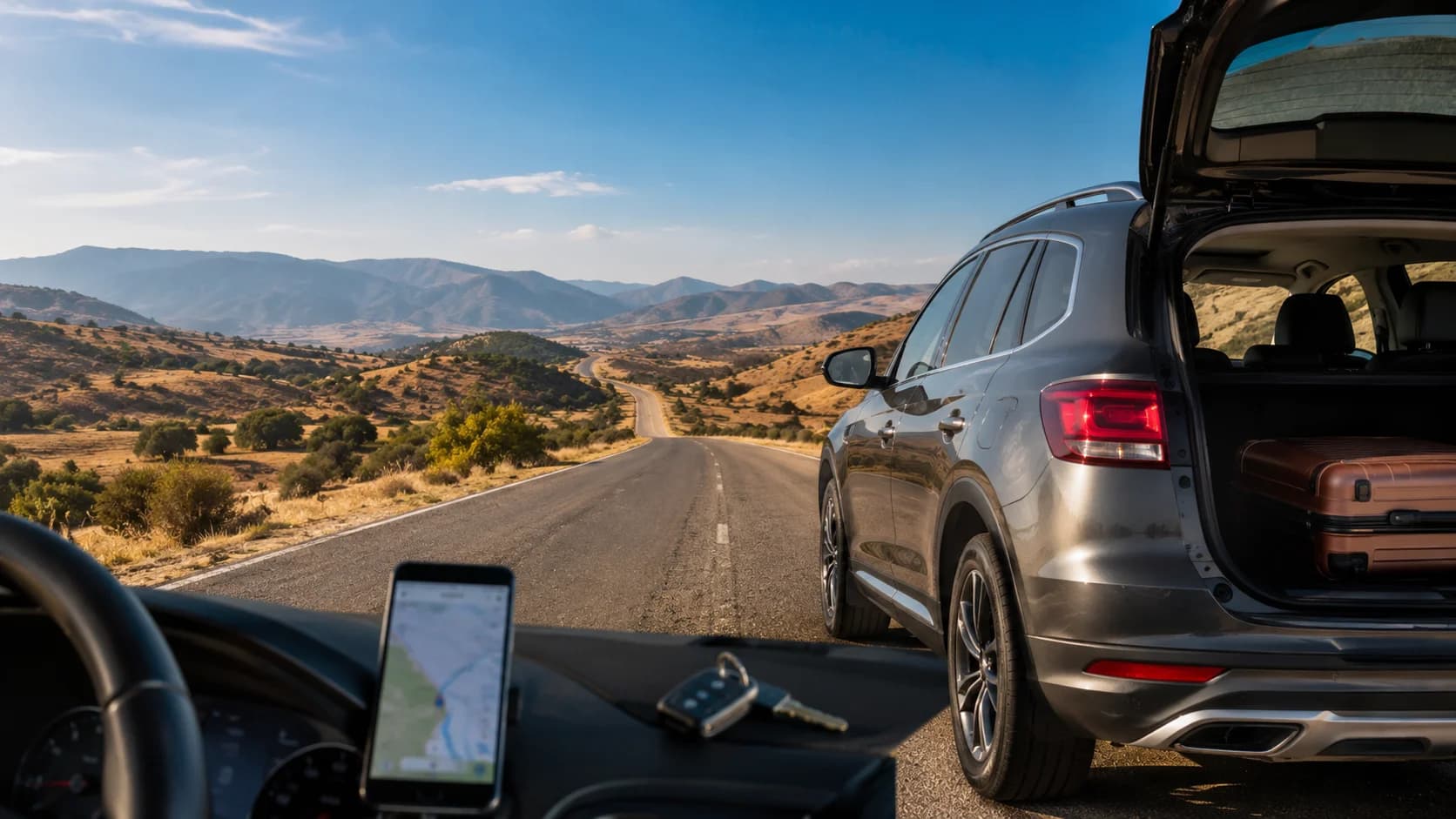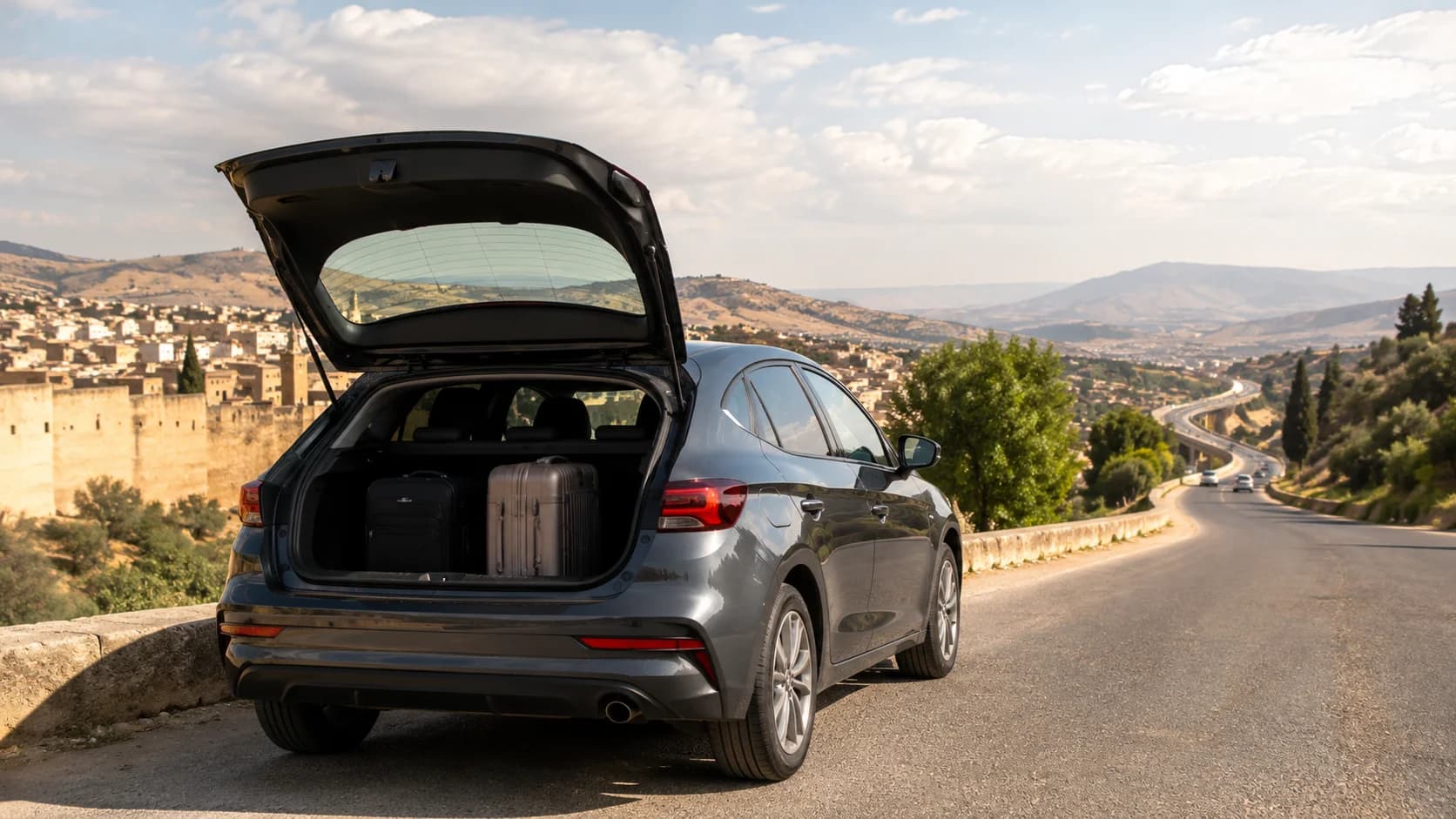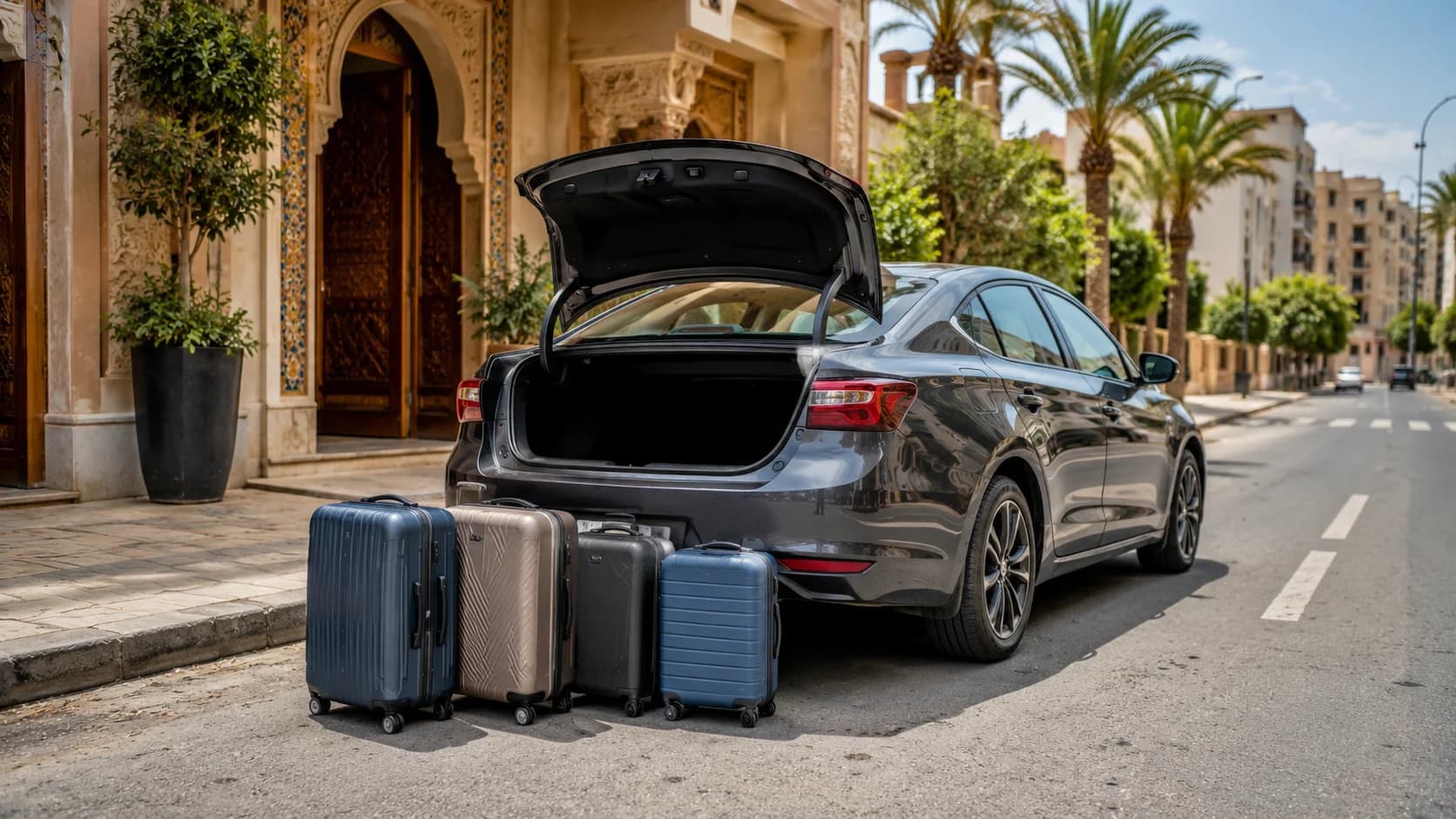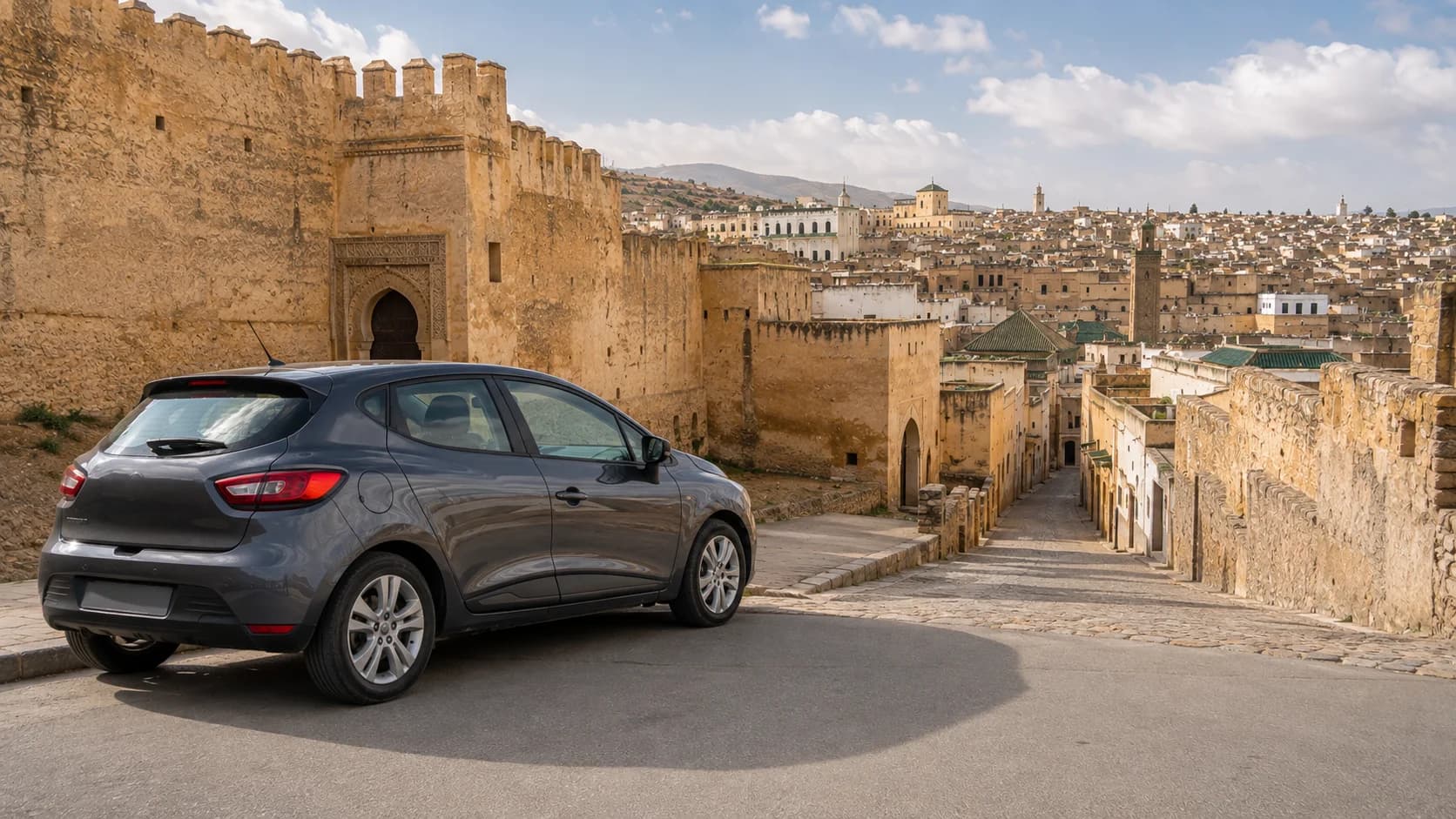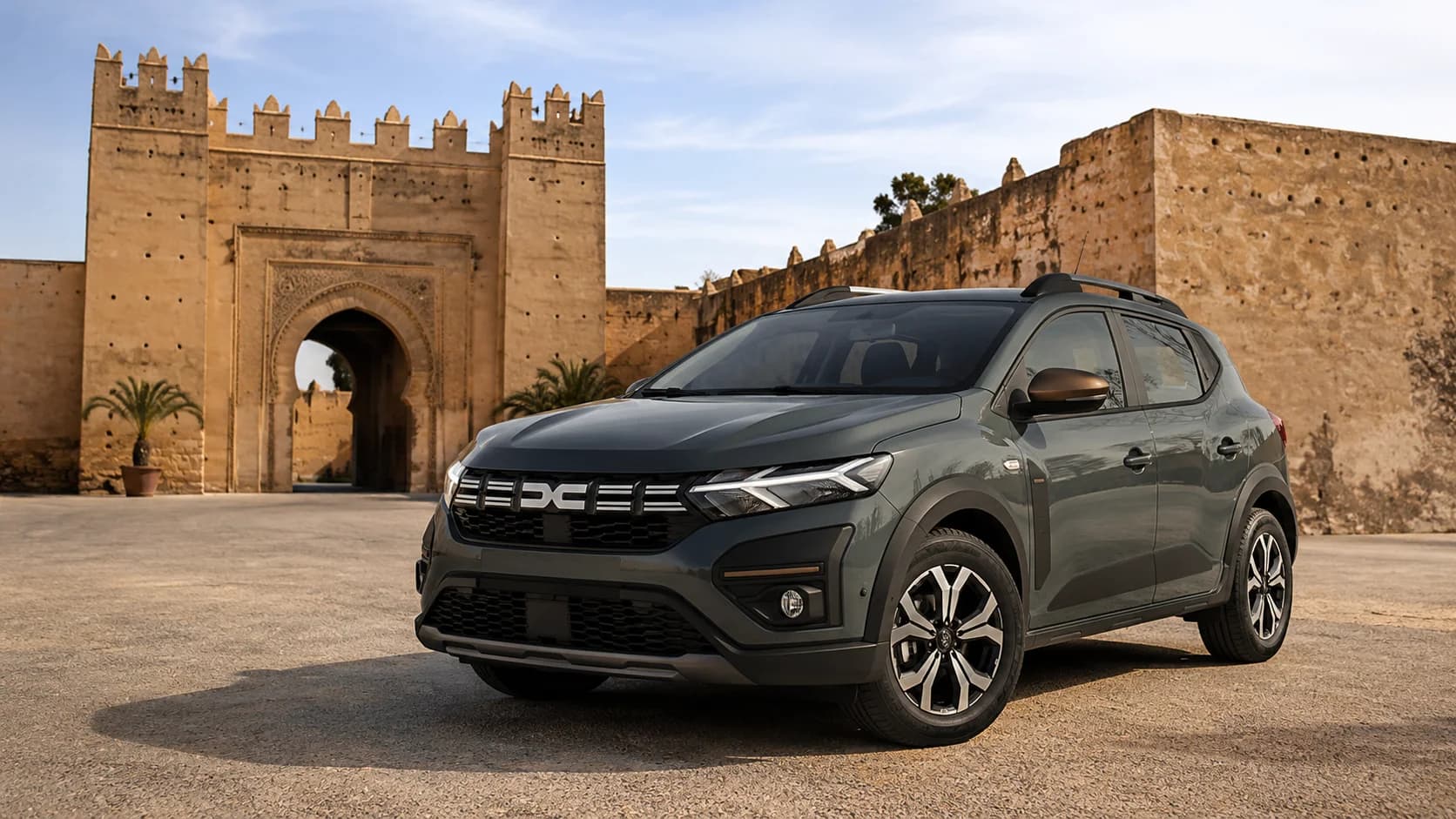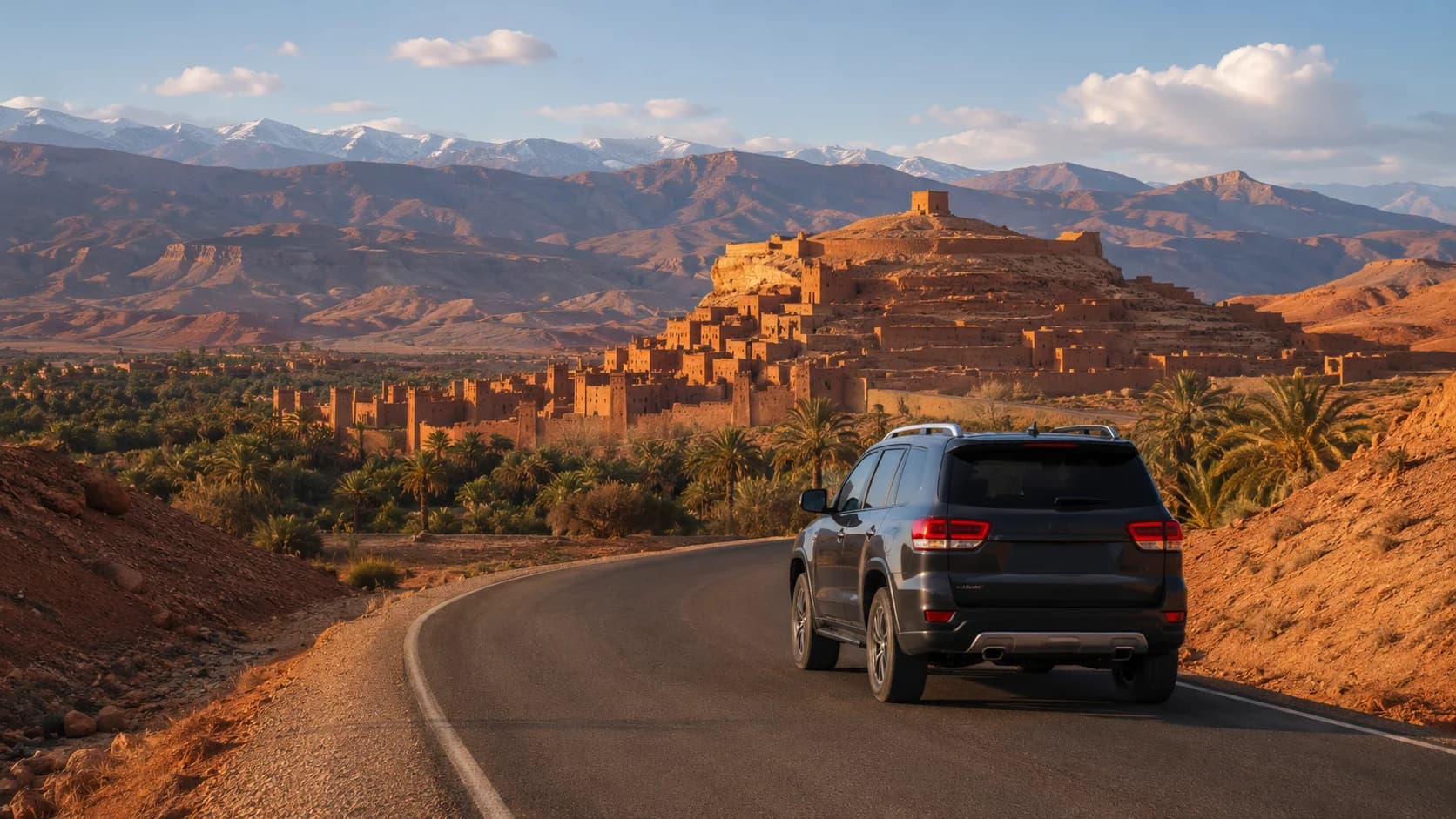









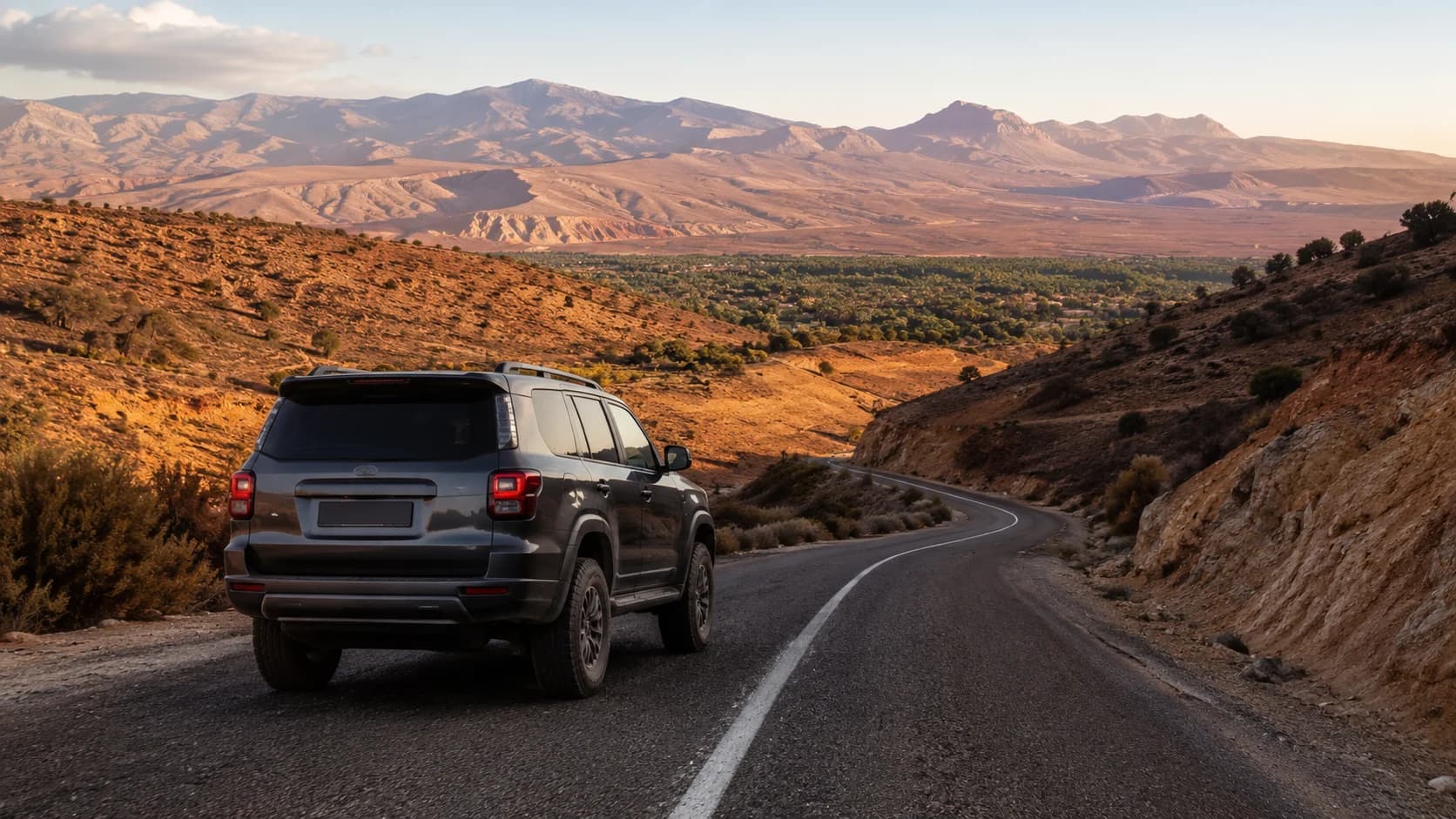
A 7 day Morocco road trip from Fes is one of the best ways to see the country in one week without rushing from city to city. This self-drive loop takes you from Fes into the Middle Atlas, across Ifrane, Azrou and Midelt, through the Ziz Valley to Merzouga, then onward to the Todra and Dades gorges, Ouarzazate, the High Atlas and back to Fes. It is a real Morocco driving itinerary for travelers who want freedom, desert views, mountain roads, overnight stops and the comfort of choosing their own pace.
How this 7-day loop works
This one week Morocco road trip is designed as a self-drive loop from Fes. Instead of driving all the way to the Sahara in one day and returning on the same road, the route uses overnight stops to make the journey more comfortable. You start in Fes, cross the Middle Atlas, reach the desert at Merzouga, continue through the gorges and kasbah country, cross back over the Atlas toward Marrakech, then return to Fes on the final day.
The full route is around 1,600 to 1,800 kilometers depending on hotel location, viewpoint detours and whether you add stops such as Ait Ben Haddou, Skoura or short desert tracks near Merzouga. The driving is not difficult for confident drivers, but the distances are long. The key is to avoid night driving, keep your daily schedule realistic and leave time for stops, fuel, photos and mountain roads.
This Fes self-drive loop works best for travelers who want more than a simple city break. You will see cedar forests, alpine-style towns, desert dunes, palm valleys, gorges, kasbahs and High Atlas scenery in one itinerary. Ifrane is especially known for lakes, springs, waterfalls and Atlas cedar forests, while the Ouarzazate, Zagora and Tinghir region is promoted by Morocco’s official tourism board for palm groves, gorges, desert landscapes and southern panoramas.
Day 1: Fes & the Middle Atlas
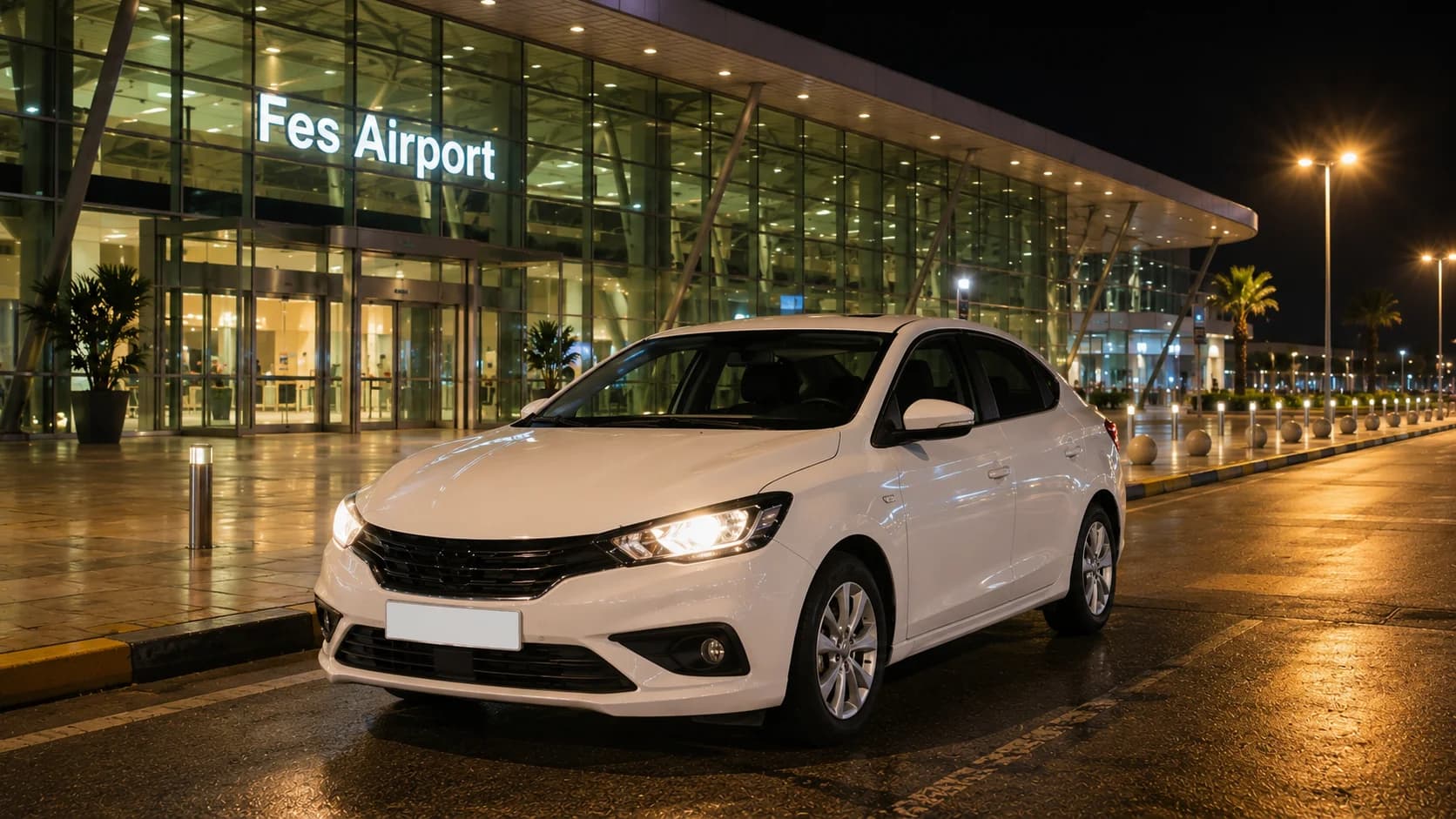
Start your Morocco itinerary from Fes with an easy first day. Pick up your rental car in Fes, check the fuel level, inspect the vehicle, confirm the spare tire and make sure your phone has offline maps. If you arrive through Fes-Saiss Airport, it is better to collect the car at the airport or have it delivered to your hotel so you can start the route without wasting time in the city.
Spend the morning in Fes if you have not already visited the medina. Keep this part light because the road trip becomes more scenic after you leave the city. After lunch, drive toward Ifrane or Azrou for your first night. This gives you a smooth introduction to Moroccan roads before the longer desert sections begin.
The drive from Fes toward Ifrane is one of the easiest sections of the route. The road climbs gently into the Middle Atlas and the landscape changes quickly from urban traffic to greener hills and cooler mountain air. In winter, check the weather before departure because the Middle Atlas can get snow around Ifrane, Michlifen and higher sections of the route.
Suggested overnight stop: Ifrane or Azrou
Driving distance: around 65 to 90 km depending on the hotel
Best pace: relaxed afternoon drive
Main stops: Fes, Immouzer area, Ifrane, Azrou
Day 2: Ifrane, Azrou & Midelt
Day 2 is where the road trip starts to feel like a real self-drive adventure. Begin with Ifrane, one of Morocco’s most unusual towns because of its alpine-style streets, clean mountain feel and cedar forest surroundings. Continue to Azrou, where the Middle Atlas scenery becomes more natural and open.
This is a good day to stop for photos, coffee and short walks. The cedar forest area is one of the most popular natural stops between Fes and the Sahara. The official tourism description of Ifrane highlights lakes, springs, waterfalls, forest landscapes and Atlas cedar groves, which makes this section a soft and scenic start before the drier south.
From Azrou, continue south toward Midelt. The road becomes wider and more open, with mountain views and long stretches where you can drive steadily without the pressure of city traffic. Fes to Midelt is about 199 km by road and takes around 3 hours 18 minutes in direct driving conditions, but with Ifrane, Azrou and forest stops, you should treat it as a full day route.
Midelt is a practical overnight stop. It breaks the journey perfectly before the Ziz Valley and Merzouga. It also means you avoid arriving in the desert too late the next day.
Suggested overnight stop: Midelt
Driving distance: around 160 to 200 km depending on Day 1 stop
Best pace: leave after breakfast and arrive before sunset
Main stops: Ifrane, Azrou cedar forest, Timahdite, Midelt
Day 3: Ziz Valley to Merzouga
Day 3 is one of the most beautiful parts of the full route. Leave Midelt after breakfast and drive south through the changing landscapes between the Middle Atlas and the desert. The road toward Errachidia and the Ziz Valley is dramatic, with mountain cuts, palm valleys and desert colors appearing gradually.
The Ziz Valley is the main highlight of the day. Plan at least one viewpoint stop before continuing toward Erfoud, Rissani and Merzouga. Do not rush this section because it is where the road trip changes from mountain Morocco to desert Morocco.
The drive from Midelt to Merzouga is about 259 km and takes around 4 hours in direct driving conditions, but most travelers should allow 6 to 7 hours with stops, lunch, photos and slower sections near towns.
Arrive in Merzouga before sunset if possible. This gives you time to check into a hotel or desert camp, park safely and enjoy the first view of the Erg Chebbi dunes. Merzouga is the classic desert stop for a Fes desert itinerary, and reaching it in a week is very possible when the route is planned with Midelt as a buffer.
Suggested overnight stop: Merzouga or Hassilabied
Driving distance: around 260 km
Best pace: early departure from Midelt
Main stops: Errachidia area, Ziz Valley viewpoints, Erfoud, Rissani, Merzouga
Day 4: Sahara to the Dades Valley
Wake early in Merzouga for sunrise over the dunes. This is one of the strongest moments of the whole itinerary, so avoid planning a late start the night before. After breakfast, leave Merzouga and head toward Rissani, Erfoud, Tinghir, Todra Gorge and the Dades Valley.
This is a long but rewarding day. You move from desert scenery into oasis towns, rocky valleys and gorge landscapes. If you want to visit Todra Gorge, keep your timing realistic. It is better to enjoy one or two stops properly than to add too many detours and arrive in Dades after dark.
The Merzouga to Dades Gorge route is about 279 km and takes around 4 hours 39 minutes in direct driving conditions. In real travel time, with Todra Gorge, lunch and viewpoint stops, allow most of the day.
For the overnight stop, choose Boumalne Dades or a guesthouse inside the Dades Valley. This area gives you a peaceful break after the desert and puts you in a good position for the next day toward Ouarzazate.
Suggested overnight stop: Boumalne Dades or Dades Valley
Driving distance: around 250 to 300 km
Best pace: sunrise in Merzouga, daytime drive only
Main stops: Rissani, Erfoud, Tinghir, Todra Gorge, Dades Valley
Day 5: Gorges to Ouarzazate
Day 5 is shorter and more flexible than Day 4, which is important. After several mountain and desert driving days, this stage gives you time to enjoy the Valley of Roses, Skoura or Ouarzazate without feeling overloaded.
Start with the Dades Valley viewpoints if you did not explore them the evening before. Then drive toward Kelaat M’Gouna, known for the rose valley area, and continue toward Skoura, one of the best palm grove stops before Ouarzazate. This section is part of Morocco’s kasbah country, where the scenery is built around earth-colored villages, palm groves and wide southern landscapes.
Ouarzazate is a natural overnight stop on this loop. Morocco’s official tourism site describes the Ouarzazate, Zagora and Tinghir area as a gateway to the Great South, with Dades Valley, kasbahs, palm groves, gorges and desert landscapes as key attractions.
If you arrive early, you can visit Taourirt Kasbah or relax before the High Atlas drive on Day 6. If you want to include Ait Ben Haddou, you can either visit it late afternoon today or save it for the next morning.
Suggested overnight stop: Ouarzazate
Driving distance: around 130 to 170 km depending on detours
Best pace: slower scenic day
Main stops: Dades Valley, Kelaat M’Gouna, Skoura, Ouarzazate
Day 6: Back over the Atlas
Day 6 takes you from Ouarzazate back over the High Atlas toward Marrakech. This is one of the most famous mountain drives in Morocco, but it also needs patience. The route includes curves, high passes, villages, viewpoints and changing road conditions depending on the season.
Before leaving Ouarzazate, consider visiting Ait Ben Haddou. The Ksar of Ait Ben Haddou is a UNESCO World Heritage Site and is recognized as a major example of traditional southern Moroccan earthen architecture. UNESCO describes it as an outstanding example of a ksar in southern Morocco, with earthen constructions linked to the valleys of Dra, Todgha, Dades and Souss.
After Ait Ben Haddou, continue toward the High Atlas and descend gradually toward Marrakech. This is not a day to rush. Even if the distance does not look huge on a map, mountain roads can be slow. Plan a calm breakfast, keep water in the car and avoid scheduling a late-night arrival.
Your overnight stop can be Marrakech if you want a city evening, or a quieter hotel outside the center if you prefer easy parking and a fast start on Day 7.
Suggested overnight stop: Marrakech or near Marrakech
Driving distance: around 190 to 220 km
Best pace: full daylight mountain drive
Main stops: Ouarzazate, Ait Ben Haddou, High Atlas viewpoints, Marrakech
Day 7: Return to Fes
The final day is the longest highway-style return. From Marrakech, drive back to Fes using the main motorway network through the Casablanca, Rabat and Meknes direction. This section is less scenic than the desert and Atlas days, but it is more straightforward and makes the full route work as a loop.
Start early, especially if you need to return the car in Fes the same day. Build in stops for fuel, coffee and lunch. If your flight leaves from Fes that evening, leave more buffer than you think you need. It is safer to arrive early than to end a one-week Morocco road trip under time pressure.
Ouarzazate to Fes directly is listed at around 546 km by car, but this itinerary breaks that return by staying around Marrakech on Day 6 and completing the Fes return on Day 7.
When you arrive in Fes, refuel according to your rental agreement, take return photos and complete the vehicle inspection with the local team. If you book with airport return, share your flight time in advance so the handover can be planned smoothly.
Suggested final stop: Fes
Driving distance: around 500 to 550 km from Marrakech to Fes
Best pace: early start, highway stops, no night driving
Main stops: Marrakech, motorway service areas, Meknes area, Fes
Best car for the full loop
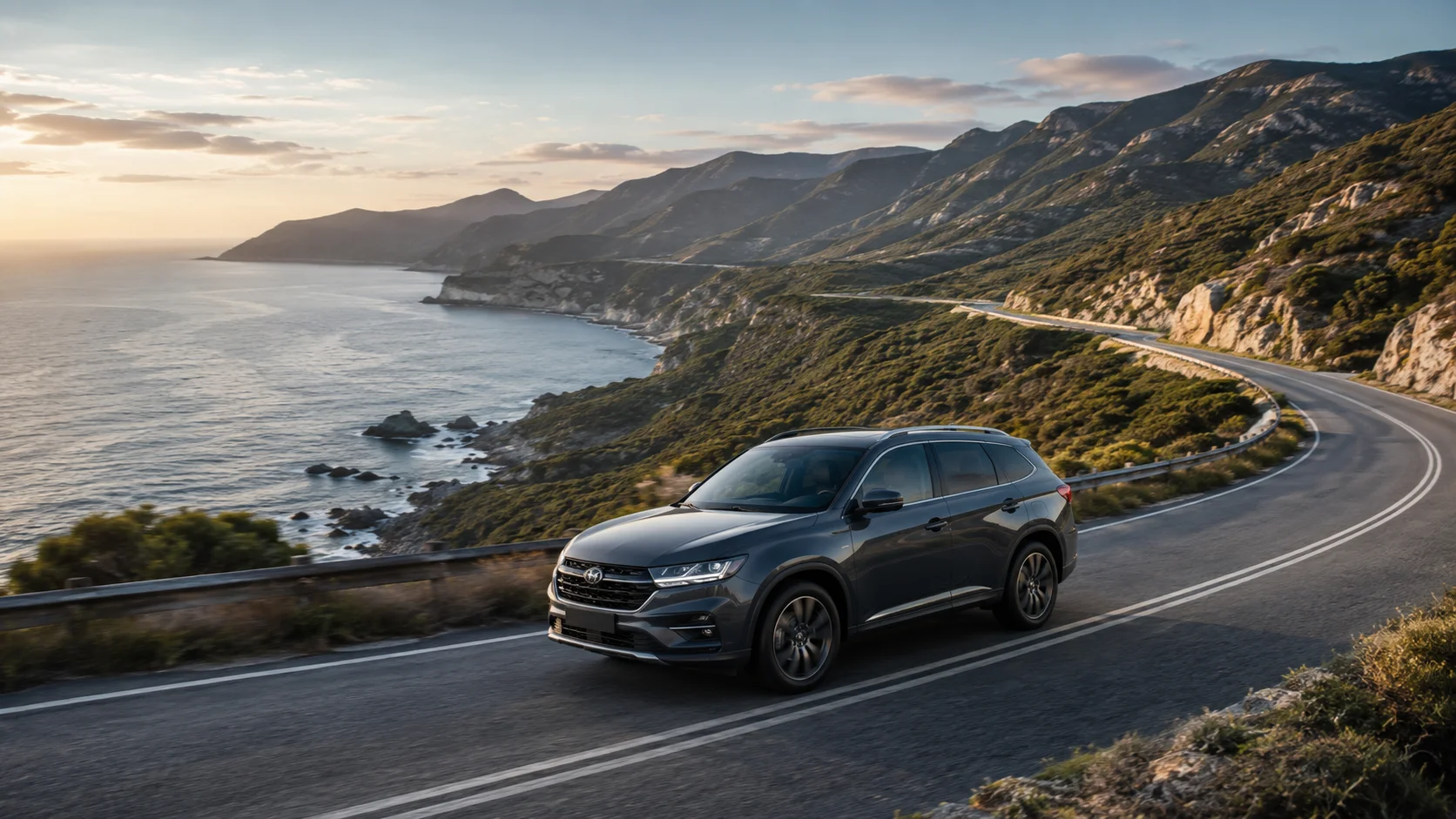
The best car for a 7 day Morocco road trip from Fes is usually a high-clearance SUV or a comfortable 4x4. You do not need an extreme off-road vehicle for the main paved route, but you do need comfort, luggage space and stable handling for mountain roads, long distances and rougher access roads near desert camps or rural guesthouses.
For most couples or small families, an SUV rental in Fes is the best balance. It gives better road visibility, more luggage room and a more comfortable ride than a small economy car. This matters when you are covering more than 1,500 km in one week.
A 4x4 rental in Fes is the better option if you plan to stay in remote desert accommodation, drive on rough approach roads, visit mountain areas in winter or carry more luggage and passengers. You still should not drive deep into dunes without local guidance, but a 4x4 gives more confidence on uneven surfaces.
A small city car can complete much of the route in good weather, but it is not the most comfortable option for this itinerary. The issue is not only road condition. It is also luggage, long hours, high passes, heat in the south and passenger comfort. For a one week Morocco road trip, comfort matters.
Budget, fuel and booking tips
Your main costs will be car rental, fuel, accommodation, food, parking, tolls and any desert activity. The route is long, so choose unlimited kilometers if available. Limited-kilometer rentals can become expensive on a loop like this.
Fuel prices change regularly. As of 6 July 2026, GlobalPetrolPrices listed Morocco diesel at about MAD 12.60 per liter and gasoline at about MAD 13.85 per liter. For a 1,600 to 1,800 km itinerary, a typical SUV may need roughly 120 to 170 liters depending on engine type, luggage, speed, air conditioning and road conditions.
For budgeting, it is safer to calculate fuel with a buffer. Add extra for mountain driving, detours, hotel access roads and city traffic around Fes or Marrakech. Keep some cash for smaller towns, parking areas and roadside stops, even if you also use a card.
Book the car early if you travel in spring, autumn, Christmas, New Year or school holiday periods. These are popular times for desert and road trip itineraries. A no-deposit option can also help if you do not want a large card hold, especially for standard SUV categories. You can check no deposit car rental in Fes if you want a more flexible booking style.
For driving safety, keep each day realistic. Morocco’s road-safety agency NARSA emphasizes respecting speed limits and avoiding driving under fatigue or influence, which is especially important on long road trip days with mountain sections.
Before departure, confirm these details with your rental provider:
-
Unlimited kilometers or daily kilometer limit.
-
Full insurance details and excess amount.
-
Tire, glass and underbody coverage.
-
Roadside support number.
-
Cross-city return rules.
-
Deposit or no-deposit conditions.
-
Exact pickup and return location.
-
Fuel policy.
-
Whether desert camp access roads are allowed.
FAQs
Is 7 days enough for a Morocco road trip from Fes?
Yes, 7 days is enough for a Morocco road trip from Fes if you follow a realistic loop and avoid trying to visit every major city. The best plan is Fes, Middle Atlas, Midelt, Merzouga, Dades, Ouarzazate, Marrakech and back to Fes.
What is the best one-week itinerary from Fes?
The best one-week itinerary from Fes is a self-drive loop through Ifrane, Azrou, Midelt, Ziz Valley, Merzouga, Todra Gorge, Dades Valley, Ouarzazate, Ait Ben Haddou, Marrakech and back to Fes.
How many kilometers is a 7-day loop from Fes?
A full 7-day self-drive loop from Fes is usually around 1,600 to 1,800 km depending on hotel locations, viewpoints, desert access roads and optional detours.
Do you need a 4x4 for a Morocco road trip?
You do not need a 4x4 for every paved road, but a 4x4 or SUV is strongly recommended for comfort, luggage space, mountain roads and desert-area access. A 4x4 is better if you plan remote stays or rougher tracks.
Is it better to do a loop or a one-way route?
A loop is better if your flights arrive and depart from Fes. A one-way route is better if you can return the car in Marrakech or another city. The loop saves one-way fees but adds a long return day.
How much does a 7-day road trip from Fes cost?
The cost depends on car type, season, hotels and activities. Main costs include rental, fuel, food, accommodation, tolls, parking and desert experiences. Fuel alone should be calculated with a buffer because the route can exceed 1,600 km.
Is self-driving a Morocco itinerary safe?
Self-driving in Morocco is manageable for confident drivers, especially on main roads and highways. The main advice is to avoid night driving, respect speed limits, watch for pedestrians and animals near villages, and allow extra time in mountain areas.
Can you reach the Sahara from Fes in a week?
Yes, you can reach the Sahara from Fes in a week. The most comfortable route is to sleep in Midelt before continuing through the Ziz Valley to Merzouga.
What is the best season for this road trip?
Spring and autumn are the best seasons because temperatures are more comfortable and desert travel is easier. Winter can be beautiful but may bring snow in the Middle Atlas or High Atlas. Summer is possible, but the desert and southern valleys can be very hot.
How far ahead should you book the car?
Book at least 2 to 4 weeks ahead in normal periods and earlier for spring, autumn, holidays or high season. SUVs and 4x4 vehicles are limited compared with small cars, so early booking gives you better choice.
Ready to plan your 7-day Morocco road trip from Fes?
Turn one week into the trip of a lifetime with the right car, the right route and enough time to enjoy the road. Reserve a no-deposit SUV or 4x4 from MarHire Car Fes with unlimited kilometers, full insurance options and pickup at the airport, your hotel or a convenient city location. With the right vehicle, this Fes self-drive loop becomes more than transport. It becomes the best part of the trip.