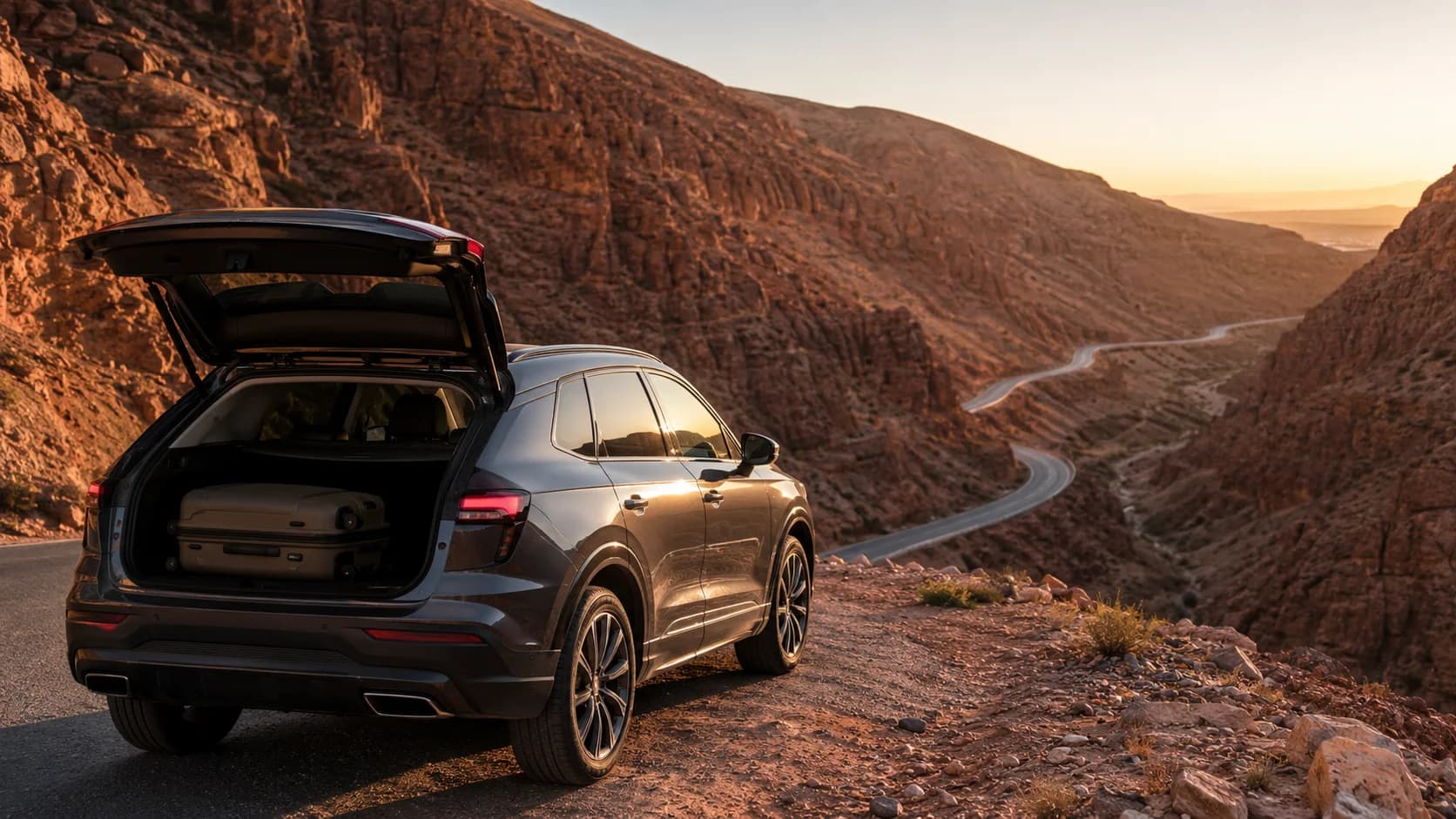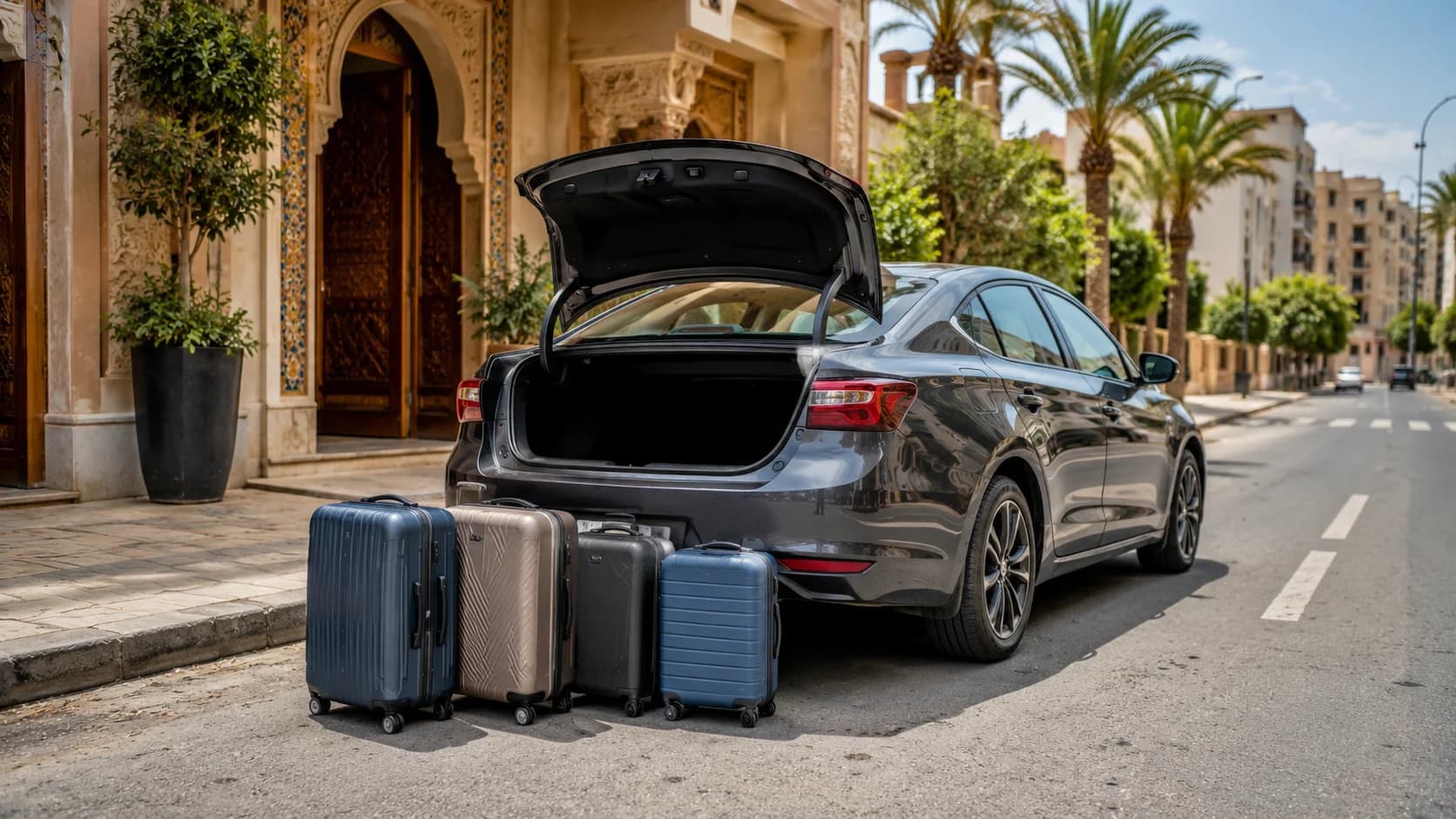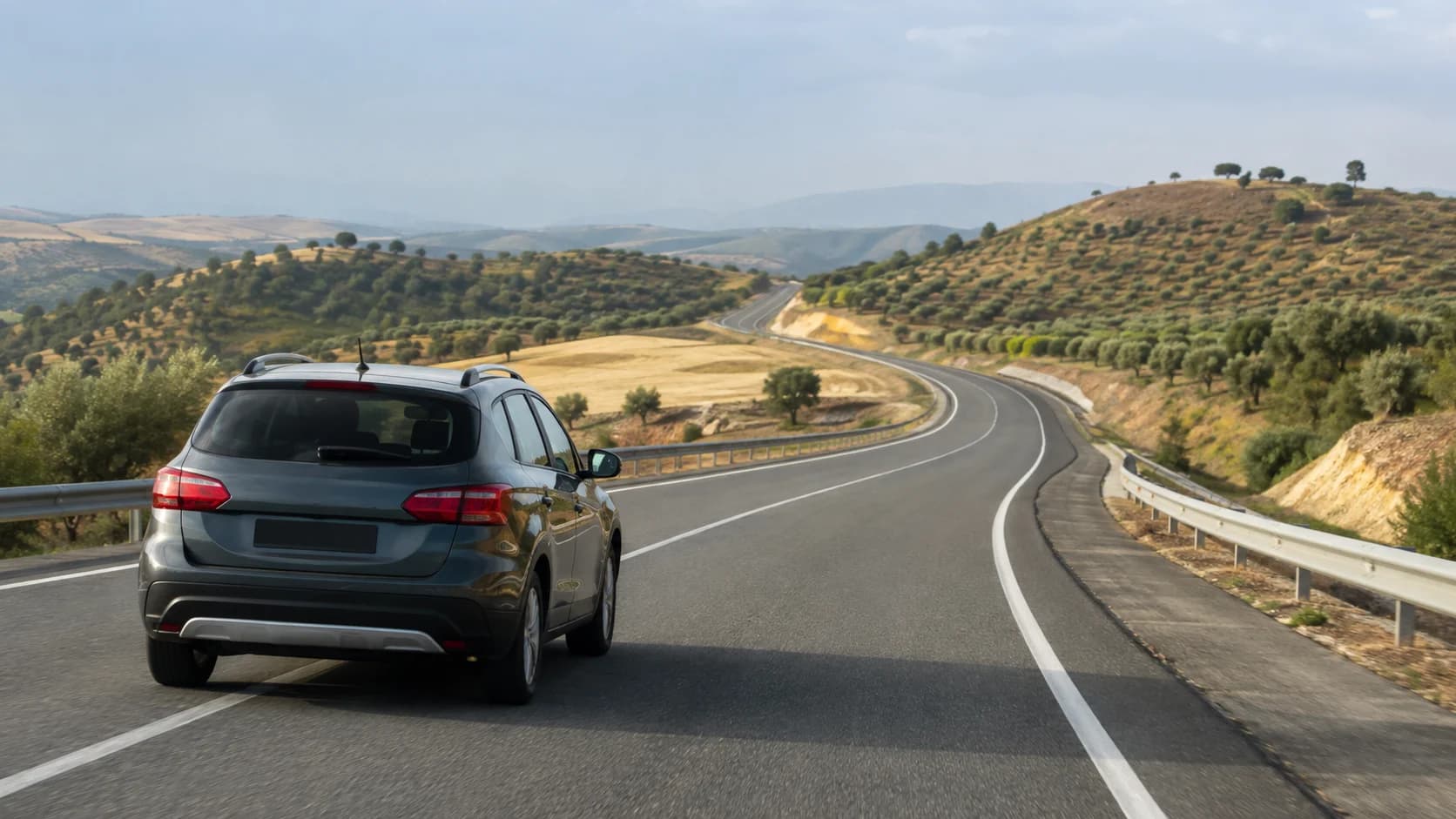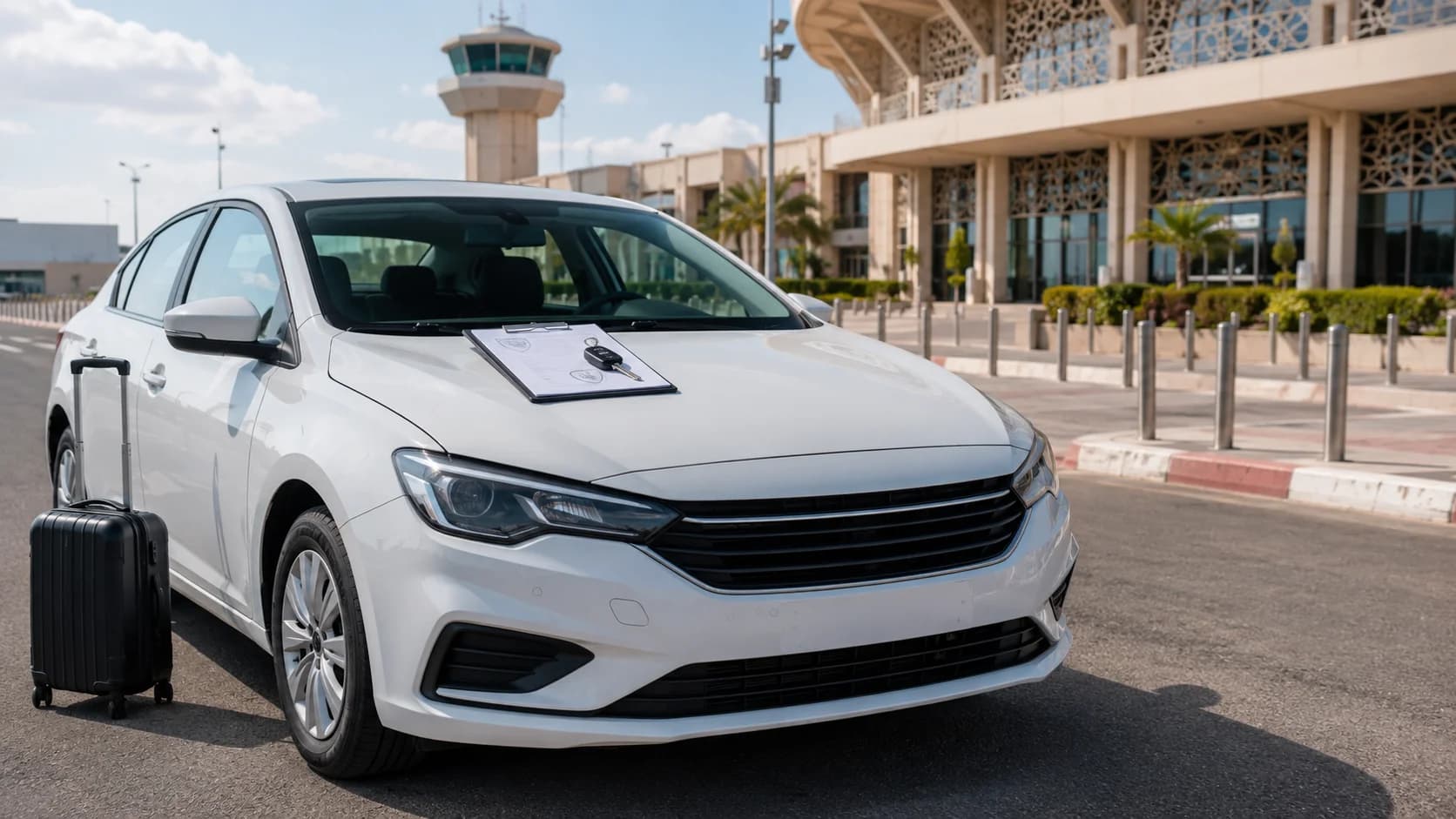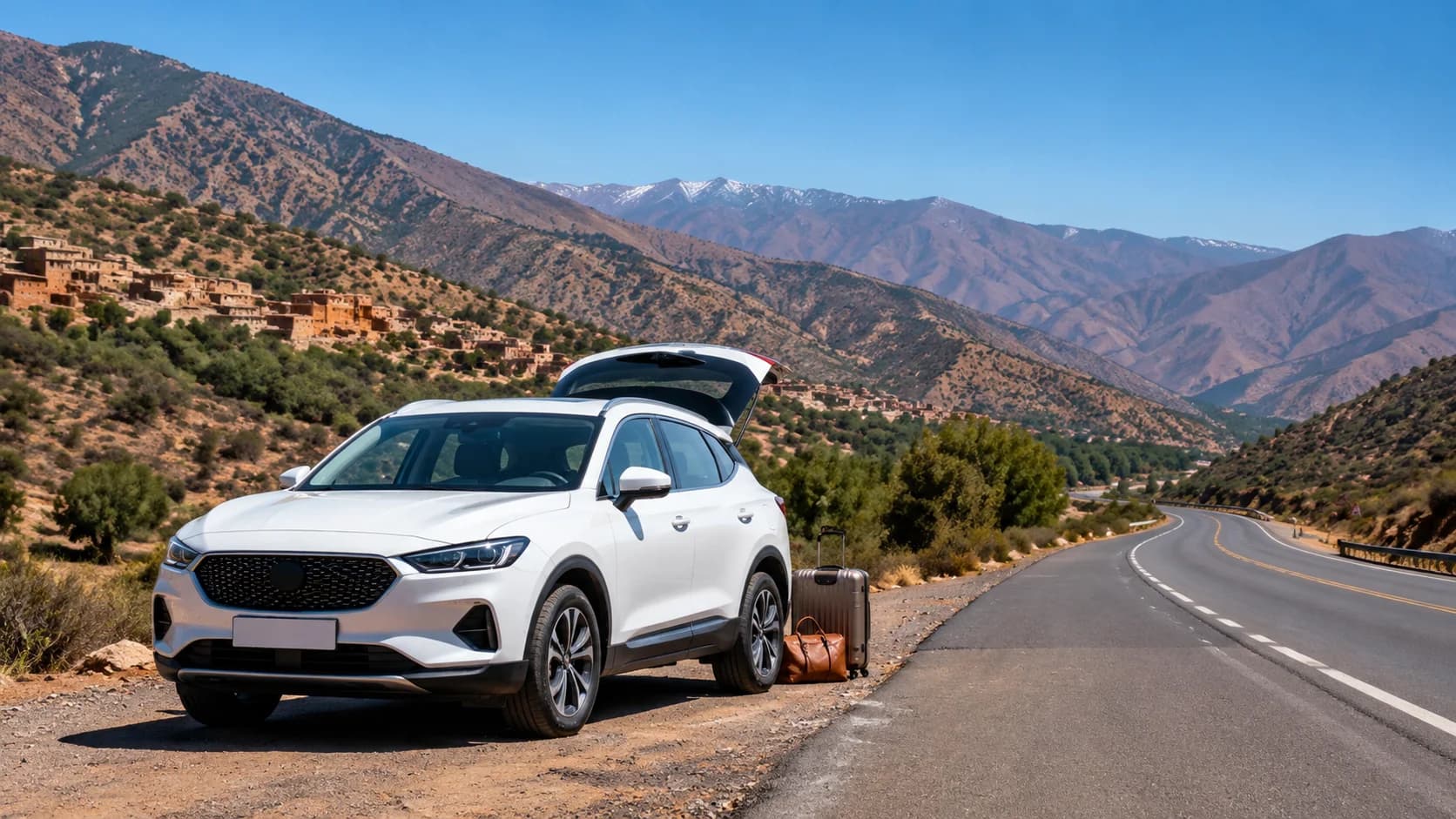









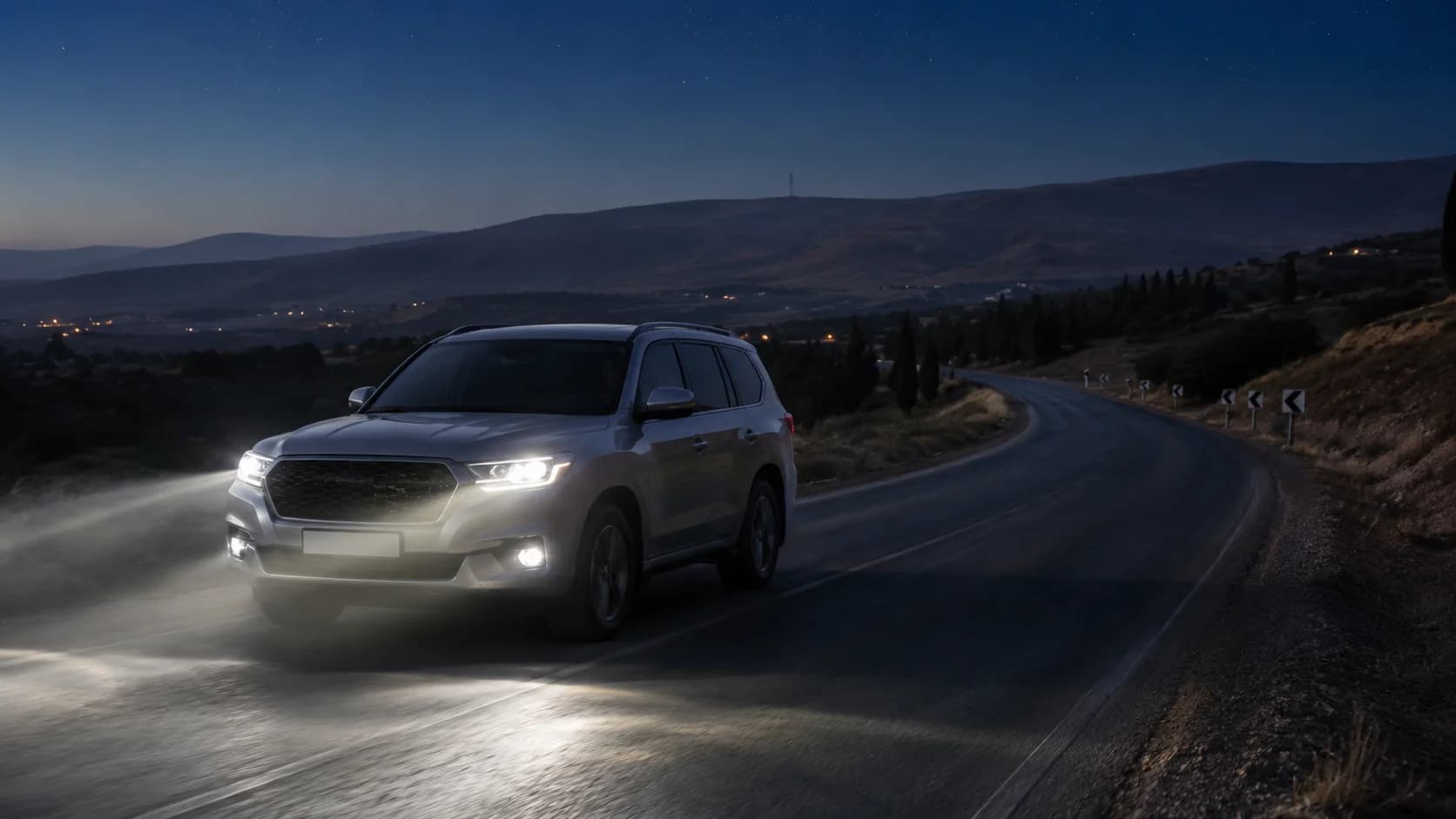
Driving at night in Morocco is possible, but it is not always the best choice for visitors, especially outside cities. The main risks are poor lighting, pedestrians, animals, unlit vehicles, scooters, potholes and sudden changes in road conditions. From Fes, short drives inside the city or from Fes airport to your hotel can be manageable if you are careful, but long rural or mountain routes are much safer when planned during daylight.
For most travelers, the best approach is simple: collect your rental car at Fes airport or your hotel, keep the first night easy, and start longer drives the next morning.
The honest answer on night driving
So, is it safe to drive at night in Morocco? The honest answer is: it depends where, how far and how familiar you are with Moroccan roads.
In cities like Fes, night driving can be manageable for short distances, especially between the airport, your accommodation, main roads and modern districts. Traffic may even feel lighter after dark. However, once you leave the city and drive through rural areas, smaller towns or mountain roads, the risk increases quickly.
Several official travel advisories warn travelers to be cautious with night driving in Morocco because lighting can be poor and rural roads may be more difficult after dark. The UK Foreign, Commonwealth & Development Office notes that poor lighting can make night driving dangerous, while the CDC advises travelers to avoid driving at night in areas where street lighting may be limited.
This does not mean you should be afraid of renting a car in Fes. It means you should plan smartly. Morocco is a beautiful country for road trips, but the safest and most relaxed drives are usually done in daylight.
Why rural night driving is riskier
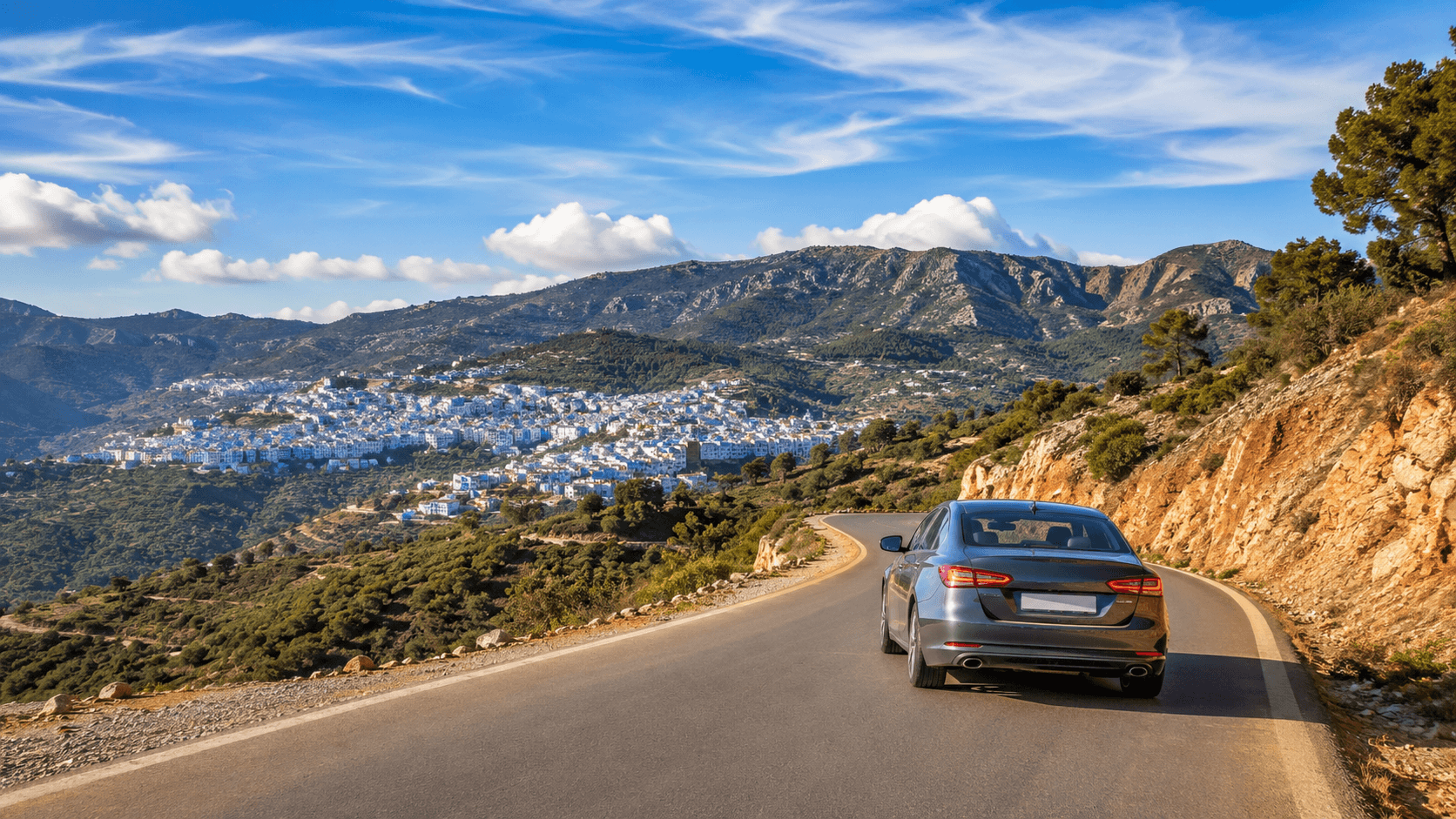
Rural Morocco can be very different from what many travelers expect. During the day, roads around Fes, Ifrane, Meknes, Chefchaouen and the Middle Atlas can be scenic and enjoyable. At night, the same routes can become more stressful because visibility is limited and unexpected obstacles are harder to see.
Outside major cities, some roads are not fully lit. You may pass through villages, agricultural areas or open countryside where people, animals, bicycles, scooters and slow vehicles share the same road. The U.S. Department of State advises extreme caution when driving at night in Morocco due to poor lighting and notes that pedestrians, scooters and animal-drawn vehicles may appear on roads, including larger routes.
The problem is not only the road itself. It is the combination of factors: darkness, unfamiliar signs, local driving habits, narrow lanes, sudden speed changes and limited places to stop safely. For visitors who have just arrived in Morocco, this can feel overwhelming.
That is why many local drivers recommend avoiding long drives after sunset unless necessary. If your route includes countryside, hills, mountain roads or unfamiliar secondary roads, it is better to leave in the morning.
Animals, unlit vehicles and potholes
One of the biggest night-driving hazards in Morocco is the unexpected. During the day, you can usually spot hazards early. At night, they may appear only when your headlights reach them.
Common hazards can include:
-
Donkeys, dogs, sheep or goats near rural roads
-
People walking along the roadside
-
Bicycles or scooters without strong lights
-
Slow vehicles, carts or tractors
-
Potholes or uneven road edges
-
Sudden bends on country roads
-
Strong glare from oncoming headlights
This is especially important around smaller roads outside Fes, where villages and farmland can sit close to the roadside. Even if the road looks quiet, you should not assume it is empty.
The Moroccan National Road Safety Agency also highlights that night driving is more demanding because vision is reduced and glare from other vehicles can become a real danger.
For tourists, the safest rule is to slow down before the road forces you to. Do not drive at the same speed you would use during the day. Keep more distance, avoid risky overtaking and treat every dark section as a place where something unexpected may appear.
When night driving is fine
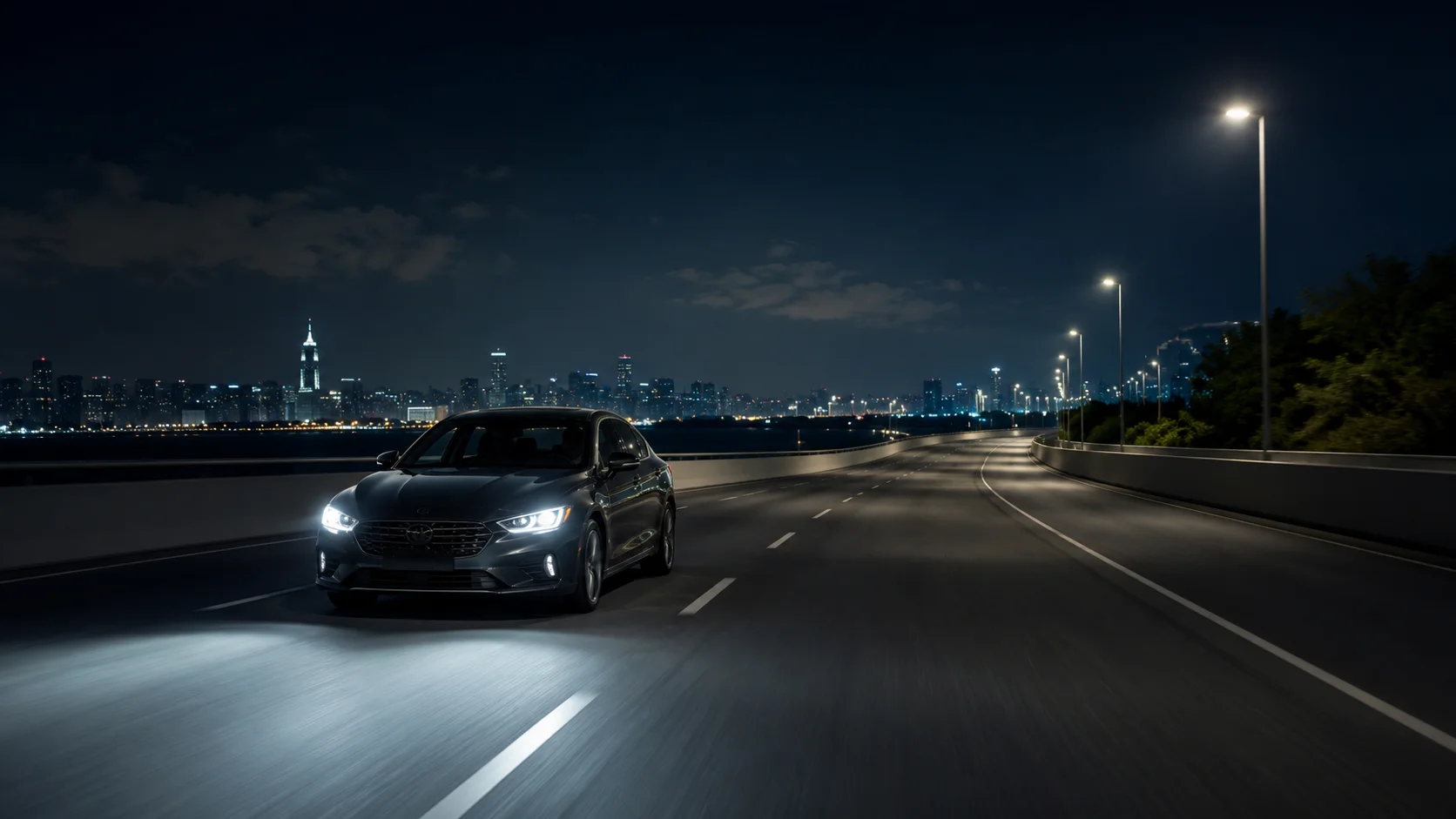
Not every night drive in Morocco is dangerous. Some situations are usually manageable if you are alert and the route is simple.
Night driving can be fine when:
-
You are driving a short distance inside Fes
-
You are going from Fes airport to a nearby hotel
-
You are using main roads with good visibility
-
You already know the route
-
The weather is clear
-
You are not tired after a long flight
-
You have a reliable car with good headlights
-
You can use navigation without distraction
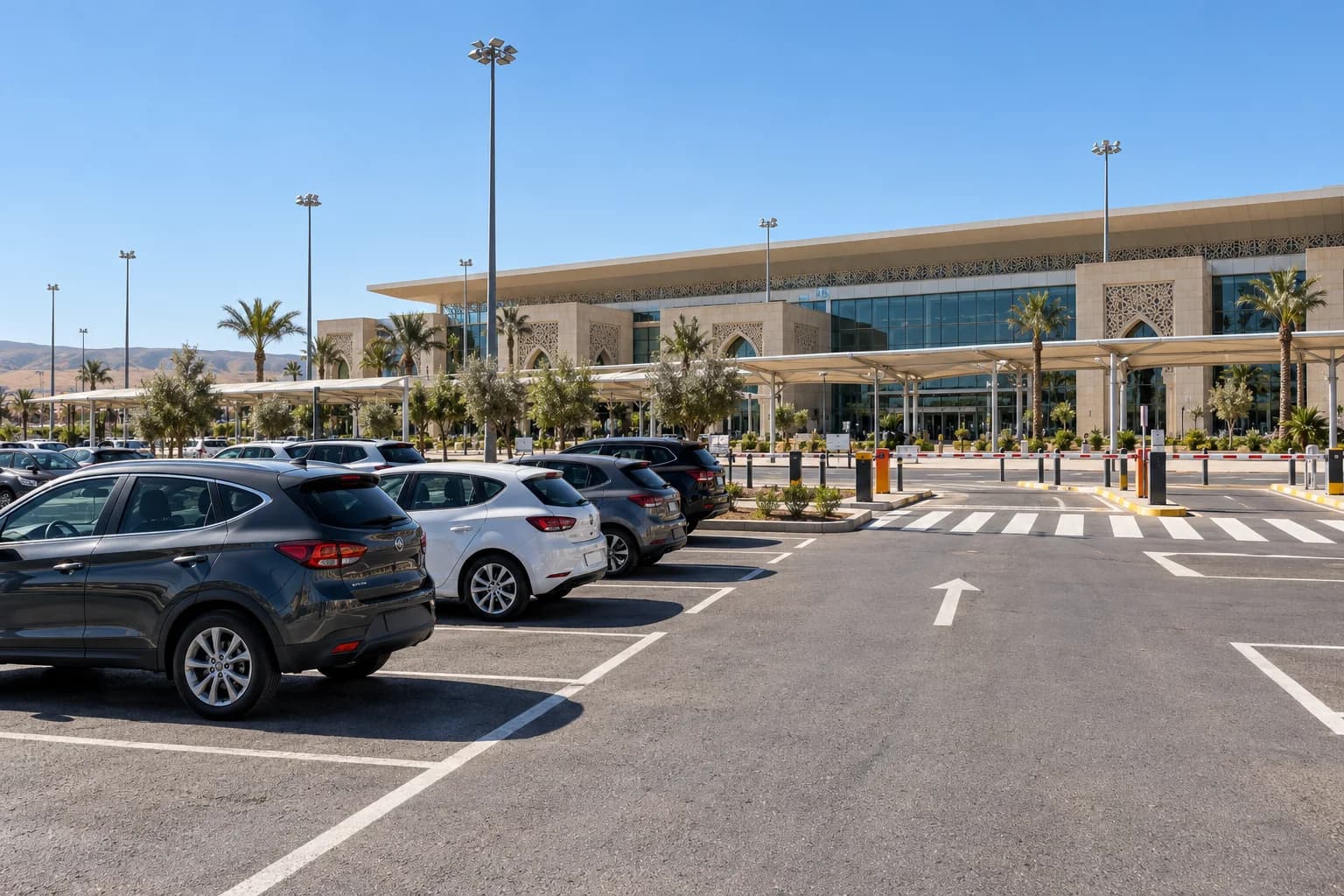
For example, arriving at Fes Saiss Airport in the evening and driving directly to your hotel can be reasonable if your accommodation is easy to access. But arriving late and then starting a long drive to Chefchaouen, Merzouga, the Middle Atlas or a remote riad is not ideal.
A good rental plan should match your arrival time. If your flight lands late, you can collect the car, sleep in Fes, and begin the real road trip the next morning.
For travelers who want more comfort and better visibility on mixed roads, an SUV rental Fes can be a practical choice. For city stays, airport transfers and paved main-road trips, a sedan rental Fes is usually comfortable and efficient.
Planning routes around daylight
The best night-driving tip is to avoid needing it in the first place. When planning your Morocco itinerary from Fes, build your route around daylight.
A simple rule is to finish long drives at least one hour before sunset. This gives you extra time for fuel, photos, coffee stops, police checkpoints, parking and unexpected delays.
For example:
-
Fes to Chefchaouen: start in the morning, not late afternoon
-
Fes to Ifrane or Azrou: drive during daylight, especially in winter
-
Fes to Merzouga: split the journey or leave early
-
Fes to Meknes and Volubilis: easy as a daylight day trip
-
Fes to Rabat or Casablanca: use main roads, but still plan rest stops
Many visitors underestimate Morocco’s distances because the map looks simple. A route may look short, but traffic, roadworks, weather, stops and mountain bends can make the journey longer than expected.
When you book your car rental Fes airport, ask about realistic drive times, late pickup and the best first route from the airport. Local advice can save you from planning an uncomfortable first night.
Arriving on a late flight at Fes
Late arrivals are common, and this is where many travelers ask: can you drive from Fes airport at night?
Yes, you can, but keep the plan simple. The smartest option is usually to drive only from the airport to your hotel or riad, then start your longer journey the next day. Avoid turning your arrival night into the beginning of a road trip.
Before landing in Fes, prepare these basics:
-
Confirm your pickup time
-
Save your hotel location offline
-
Check if your accommodation is inside the medina
-
Ask where you can park if staying in the old city
-
Keep your first route short
-
Avoid rural roads on arrival night
Fes medina can be difficult for first-time drivers because many streets are narrow, pedestrian-only or not accessible by car. If your riad is inside the old medina, you may need to park near a gate and walk the last part. This is much easier when arranged in advance.
A good local rental agency should meet you on time, explain the car clearly and help you understand the best route from the airport. This is especially useful when you land after dark and do not want extra stress.
Best car and lighting tips
The right car can make night driving easier, but it cannot remove all risk. What matters most is visibility, comfort and confidence.
Before leaving the pickup point, check:
-
Headlights
-
Brake lights
-
Indicators
-
Hazard lights
-
Windscreen clarity
-
Mirrors
-
Wipers
-
Tire condition
-
Fuel level
-
Phone holder or navigation setup
For city and highway driving, a sedan is usually stable, comfortable and fuel-efficient. It works well for Fes, Meknes, Rabat, Casablanca and main-road travel.
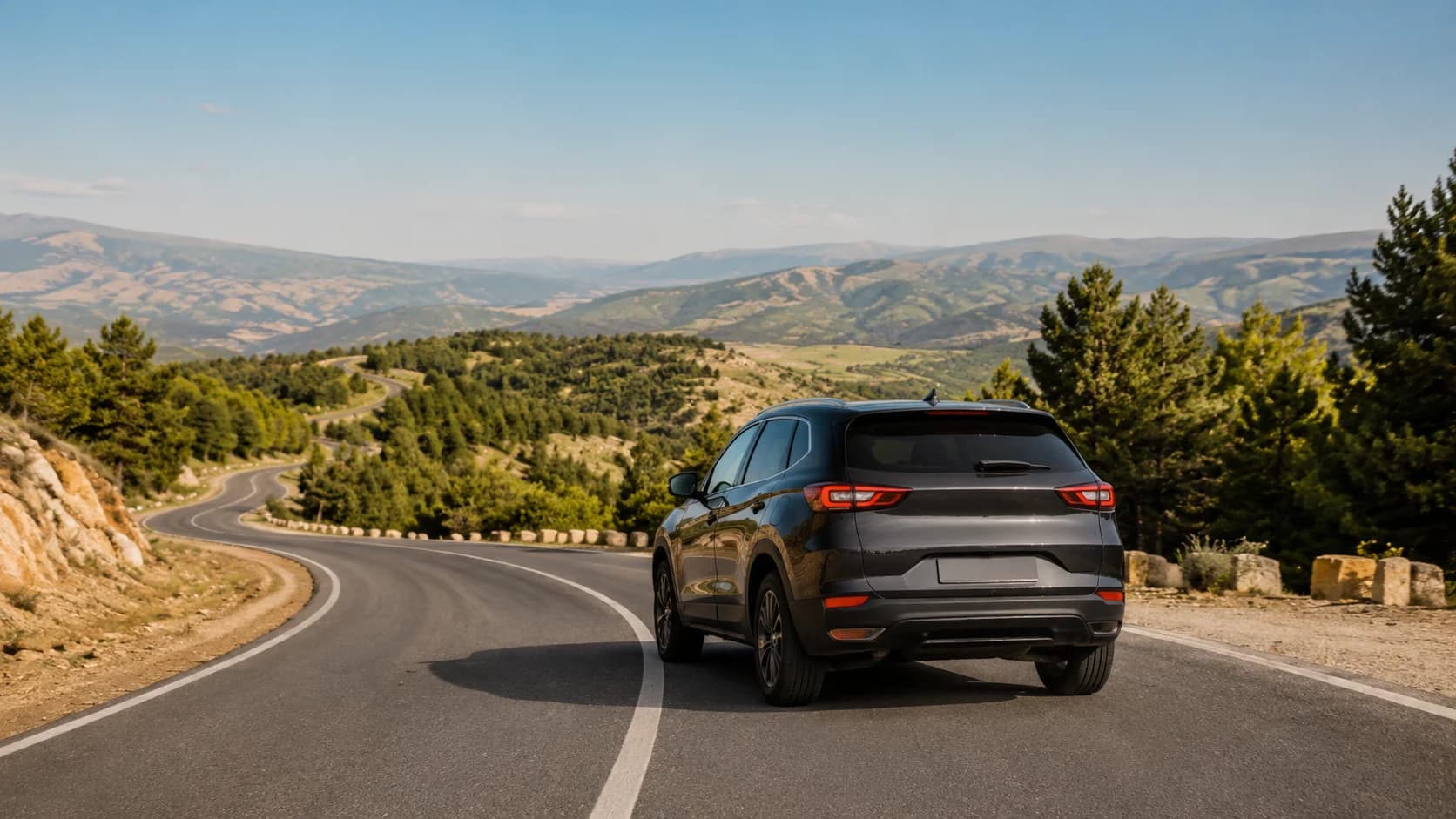
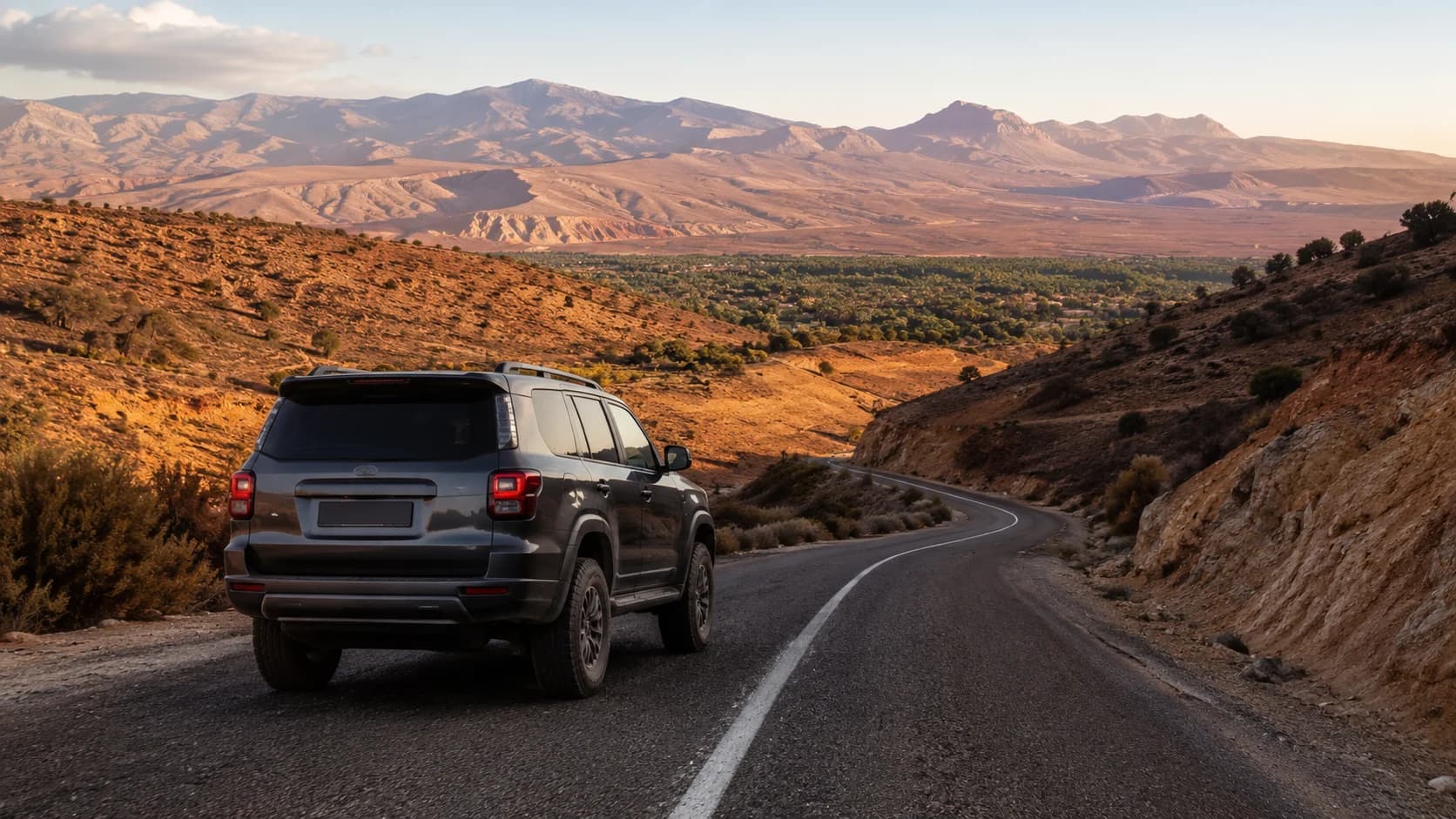
For rural routes, mountain roads or trips with luggage, an SUV gives a higher driving position and better comfort on uneven roads. This can be helpful if your itinerary includes Ifrane, Azrou, Chefchaouen, Middle Atlas roads or countryside stays.
However, do not choose a bigger car just to drive faster. At night, the safest car is the one you can control calmly and confidently.
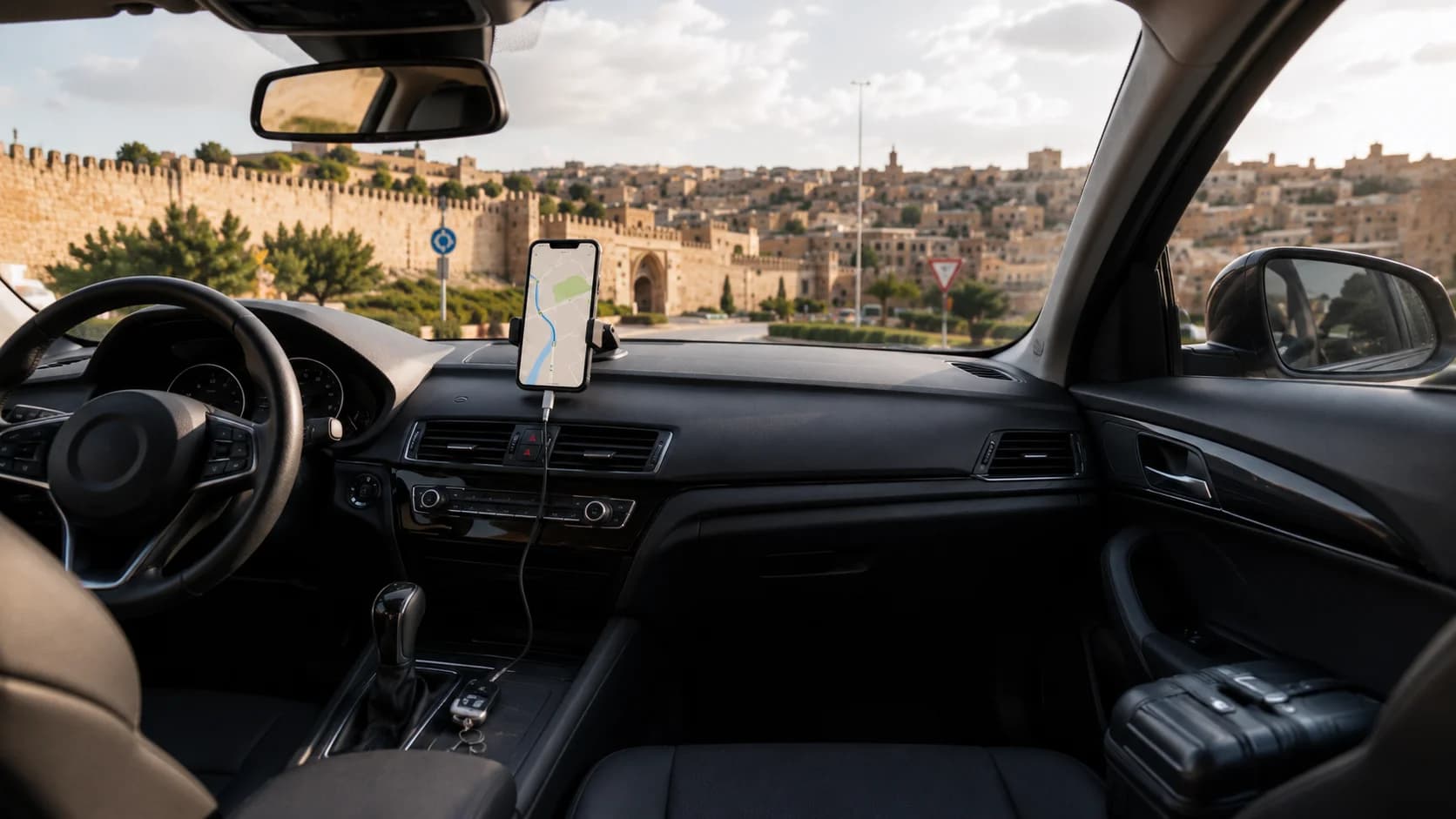
Lighting also matters inside the car. Set your navigation before moving, reduce screen brightness and avoid checking your phone while driving. If you miss a turn, continue to a safe place before correcting the route.
What to do if you must drive at night
Sometimes night driving is unavoidable. Your flight may arrive late, your dinner may end after dark or your route may take longer than expected.
If you must drive at night in Morocco, follow these tips:
-
Drive slower than the speed limit when visibility is poor.
-
Keep extra distance from the vehicle ahead.
-
Avoid overtaking unless the road is clear and straight.
-
Watch the road edges for pedestrians, animals and scooters.
-
Use high beams only when there is no oncoming traffic.
-
Stop for coffee or rest if you feel tired.
-
Avoid mountain roads in bad weather or heavy fog.
-
Keep your fuel level comfortable, not almost empty.
-
Use main roads instead of shortcuts.
-
Do not follow navigation blindly into narrow or unknown roads.
The goal is not to arrive as fast as possible. The goal is to arrive relaxed, safe and without unnecessary risk.
If you feel uncomfortable, stop in a well-lit area such as a fuel station, hotel entrance or busy town center. It is better to pause than to continue tired or stressed.
City vs highway after dark
City driving and highway driving after dark are not the same.
Inside Fes, the main challenges are traffic, scooters, pedestrians, roundabouts and parking. You need patience and slow reactions. The roads may be busier near restaurants, hotels, medina gates and commercial areas.
On highways, the road surface is usually better and the route may feel easier. However, speed is higher, so your reaction time matters more. You still need to watch for vehicles changing lanes, service areas, toll points and occasional unexpected road users.
On rural roads, the risk is usually higher because lighting is weaker and hazards can appear suddenly. Australia’s Smartraveller advice specifically warns that rural road travel at night in Morocco can be particularly dangerous and recommends avoiding night road travel outside urban areas.
For most visitors, the safest ranking is:
-
Short city drive: manageable with care
-
Main highway: possible, but stay alert
-
Rural road: avoid if possible
-
Mountain road: avoid after dark, especially in winter or bad weather
Plan a daylight-first itinerary
A daylight-first itinerary makes your Morocco trip smoother. It also gives you more time to enjoy the country instead of worrying about the road.
If you are starting in Fes, here is a simple way to plan:
Day 1: Arrive in Fes, collect your car, drive only to your hotel.
Day 2: Explore Fes or take a short daylight drive to Meknes or Volubilis.
Day 3: Leave early for Chefchaouen, Ifrane, Rabat or your next destination.
Day 4 and beyond: Keep long drives in the morning and arrive before sunset.
This style of travel is safer and more enjoyable. You see the landscapes clearly, stop for photos, avoid rushing and reduce the stress of unfamiliar roads.
MarHire Car Fes can help you match the right vehicle to your route, whether you need an SUV for mountain roads, a sedan for city and highway comfort, or a simple airport pickup after a late flight. With full insurance options, local support and flexible pickup, you can plan your Morocco road trip around daylight instead of pressure.
FAQs
Is it safe to drive at night in Morocco?
Driving at night in Morocco is possible, but it is riskier than driving during the day, especially outside cities. Poor lighting, pedestrians, animals, scooters and unlit vehicles can make rural roads difficult after dark. Short city drives are usually more manageable than long countryside routes.
Why is night driving risky in rural Morocco?
Rural night driving is riskier because some roads have limited lighting, narrow shoulders and unexpected obstacles. You may see animals, pedestrians, carts, bicycles or scooters near the road. These are easier to manage during daylight.
Can you drive from Fes airport at night?
Yes, you can drive from Fes airport at night, especially if you are going directly to a hotel in Fes. The best plan is to keep the route short, avoid rural roads and start longer journeys the next morning.
Are Moroccan highways lit at night?
Some sections near cities, toll areas and major exits may be lit, but you should not expect every highway or road section to have strong lighting. Always drive with caution and keep extra distance after dark.
What are the main night-driving hazards?
The main hazards are poor lighting, pedestrians, animals, unlit scooters, slow vehicles, potholes, glare from headlights and fatigue. These risks become more serious on rural and mountain roads.
Should you avoid mountain roads after dark?
Yes, it is better to avoid mountain roads after dark, especially if you are unfamiliar with the route. Mountain roads can include bends, slopes, fog, animals and limited lighting. Plan routes like Fes to Ifrane, Azrou or Chefchaouen during daylight.
Is city driving safe at night in Fes?
City driving in Fes at night can be manageable if you drive slowly and stay alert. The biggest challenges are scooters, pedestrians, roundabouts and medina access. If your riad is inside the medina, confirm parking before arrival.
How do you plan a route to avoid night driving?
Leave early, add extra time for stops and aim to arrive at least one hour before sunset. Avoid planning long drives immediately after landing. If your flight arrives late, stay in Fes and begin the road trip the next morning.
What should you do if caught driving after dark?
Slow down, use main roads, avoid overtaking, keep distance and stop in a safe, well-lit place if you feel tired or unsure. Do not follow shortcuts through unknown rural roads just because navigation suggests them.
Can you pick up a rental car for a late flight?
Yes, late airport pickup is often possible with local rental support. For late flights into Fes, the safest plan is to collect the car, drive to your accommodation and start longer routes in daylight.