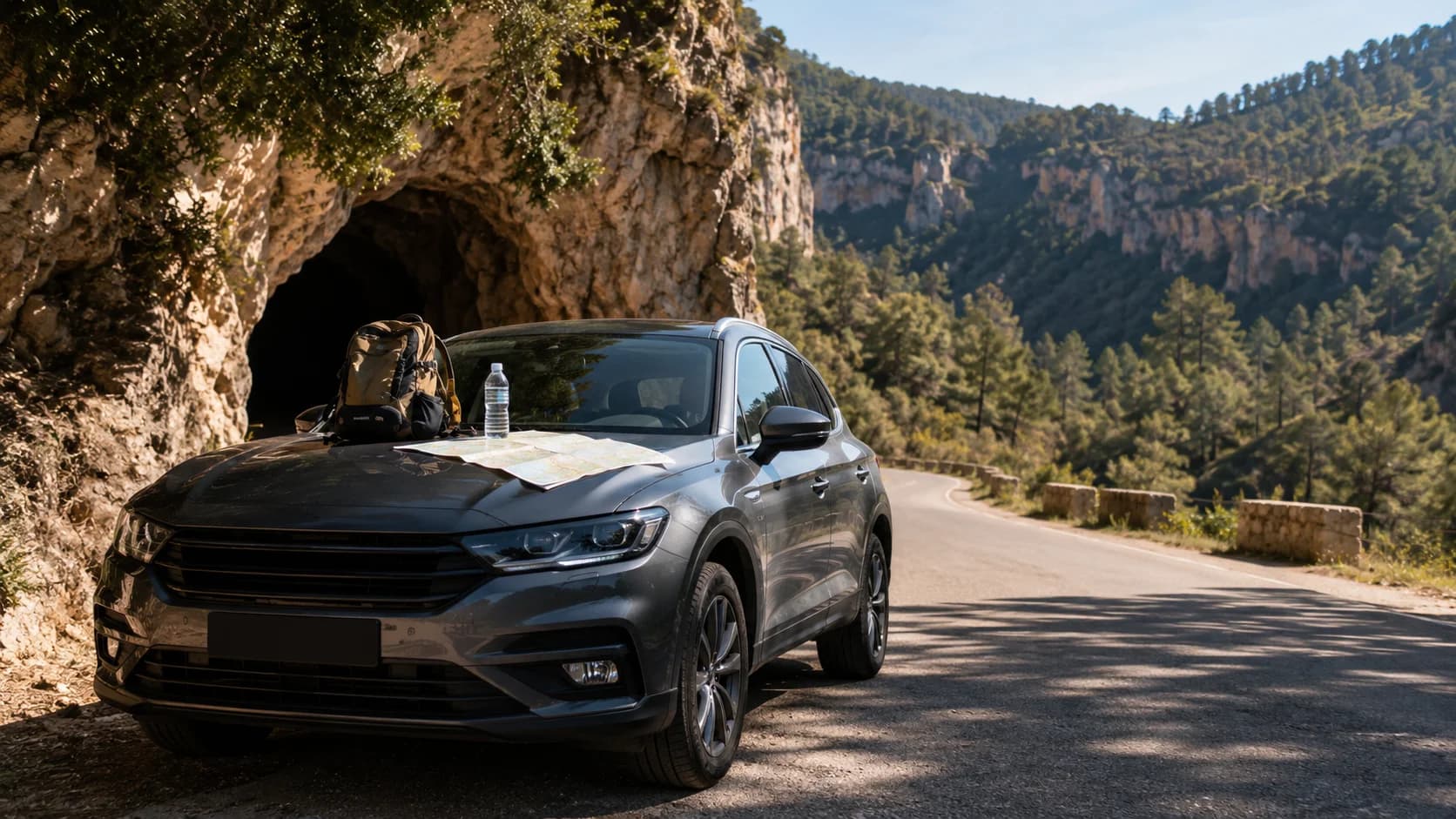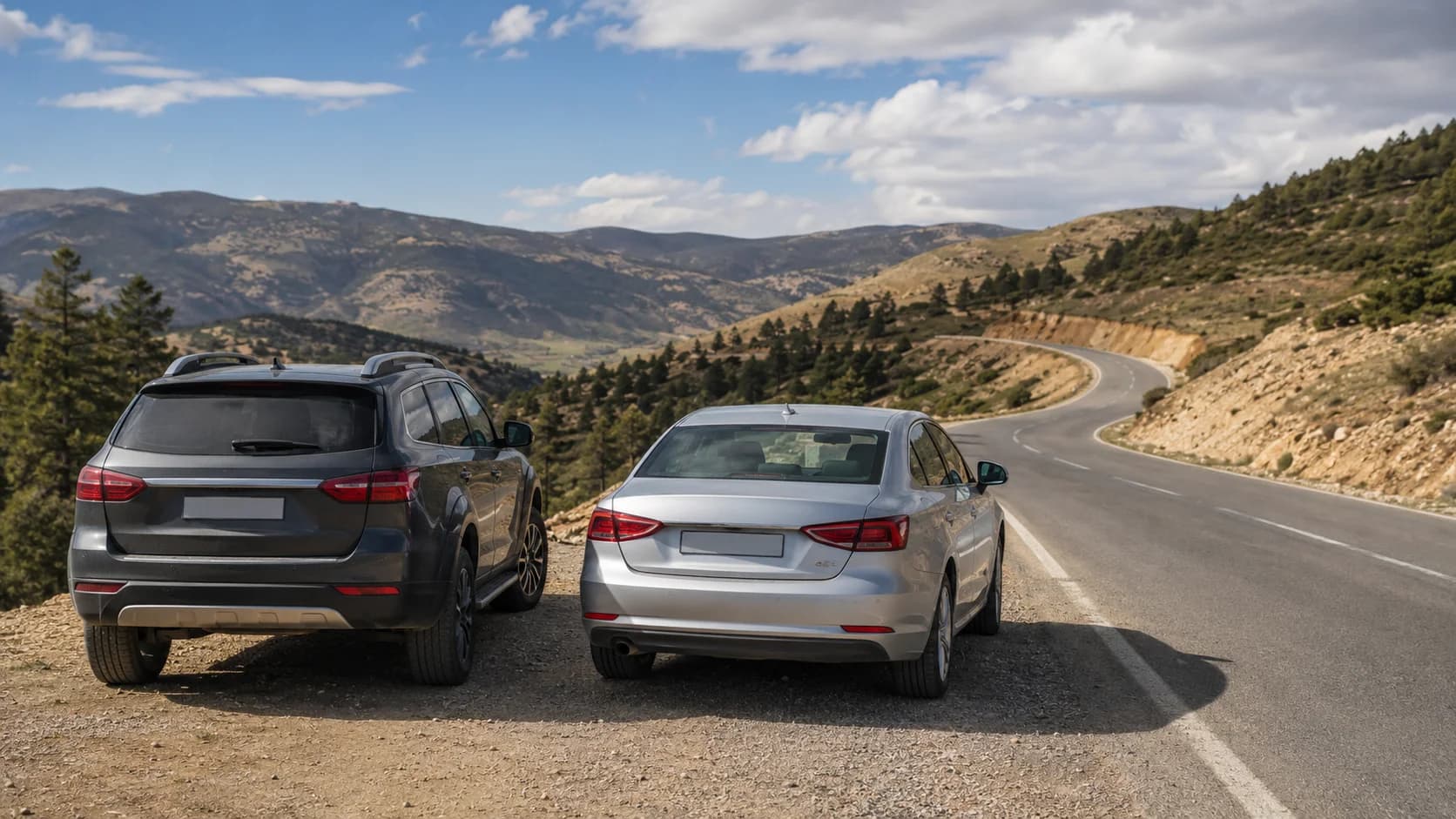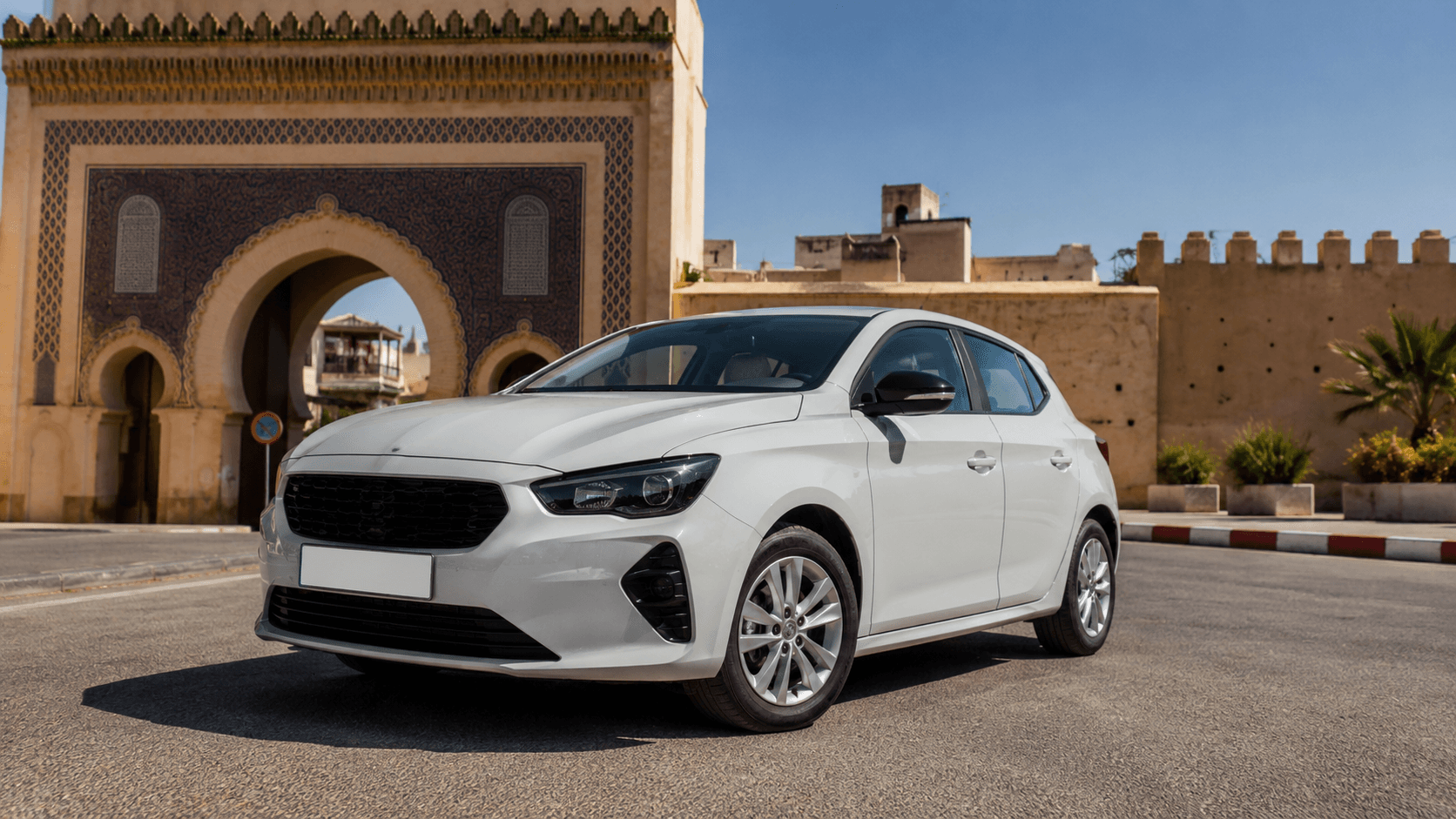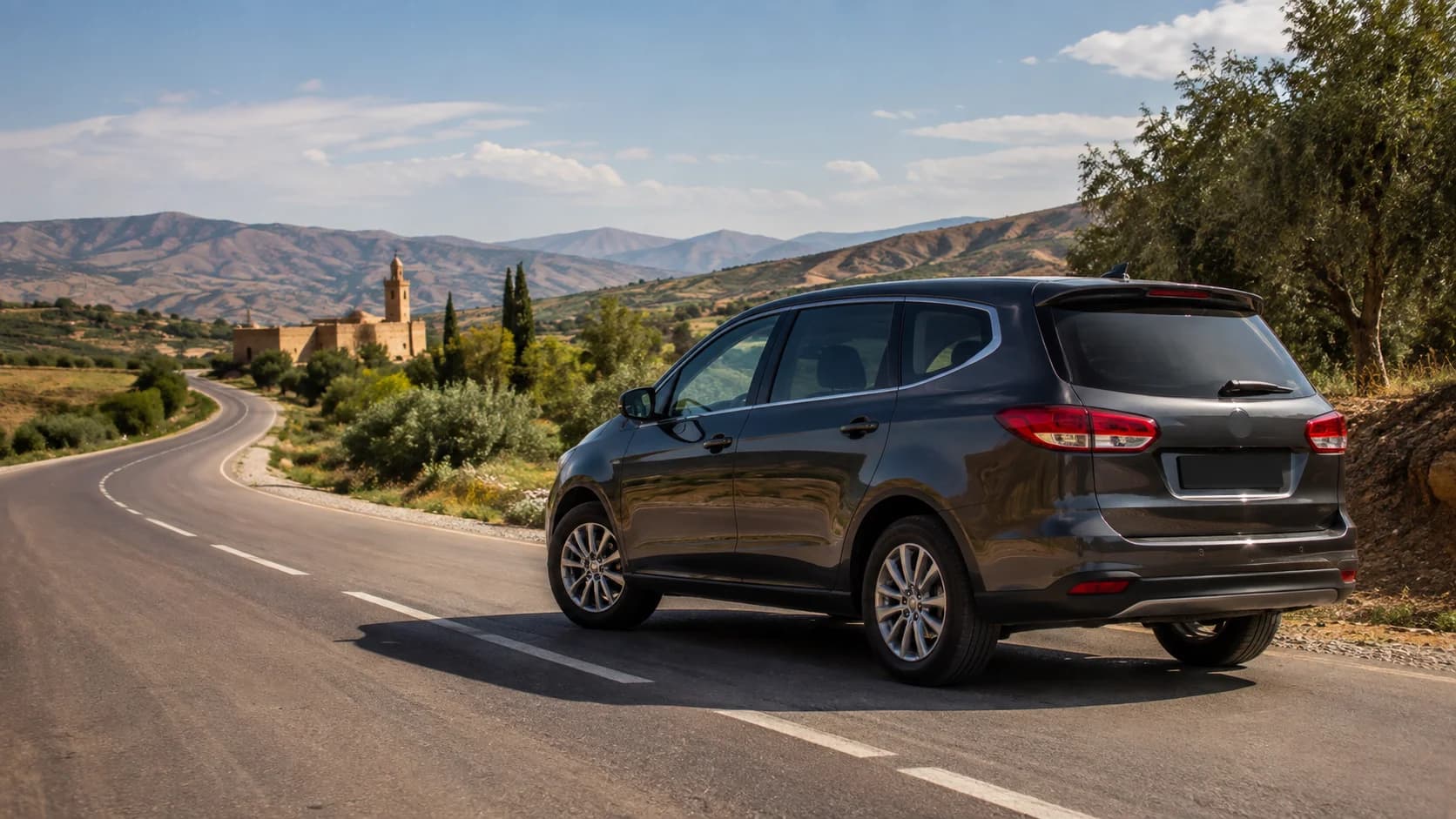









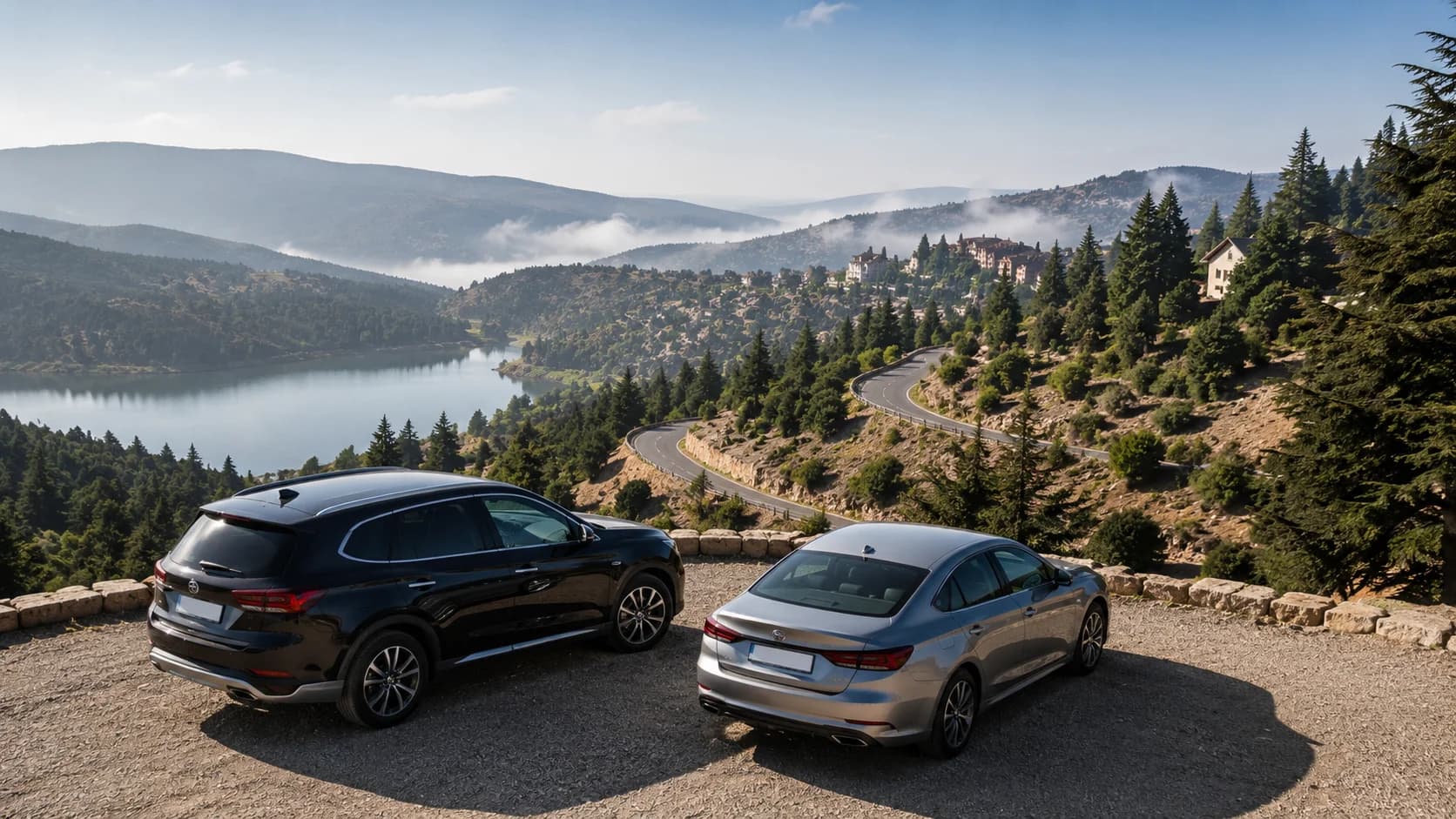
A Middle Atlas road trip from Fes is one of the easiest ways to replace the energy of the medina with mountain air, cedar forests, quiet lakes and small regional towns. Within a relatively short drive, the landscape changes from the plains surrounding Fes to the cooler, greener elevations around Ifrane and Azrou.
The main roads connecting Fes, Imouzzer Kandar, Ifrane and Azrou are generally paved, making this itinerary accessible with a normal rental car in suitable weather. A sedan is usually sufficient for the classic route, while an SUV or 4x4 can provide additional space, ground clearance and confidence if you plan to explore secondary roads or travel during colder months.
Ifrane sits at approximately 1,650 metres above sea level and is surrounded by lakes, forests and mountain scenery. The wider area is especially known for its Atlas cedar landscapes and protected natural environments.
Table of Contents
- Middle Atlas Road Trip from Fes
- Why drive from Fes into the Middle Atlas
- Suggested one-day route
- A slower two-day itinerary
- Ifrane stop and timing
- Azrou and cedar forest planning
- Lakes and optional scenic detours
- Road conditions by season
- Sedan, SUV or 4x4
- Food, fuel and rest stops
- Middle Atlas road-trip checklist
- Frequently asked questions
Middle Atlas Road Trip from Fes
A practical one-day Middle Atlas itinerary follows this general route:
Fes → Imouzzer Kandar → Ifrane → Azrou → cedar forest area → Fes
Leave Fes between 7:30 and 8:30 in the morning, spend approximately one to two hours in Ifrane, continue to Azrou and the surrounding cedar forests, then begin the return journey before late afternoon.
The itinerary normally requires a full day when sightseeing, meals and photo stops are included. Two days are better when you want to add lakes, forest walks, quieter roads or an overnight stay without rushing.
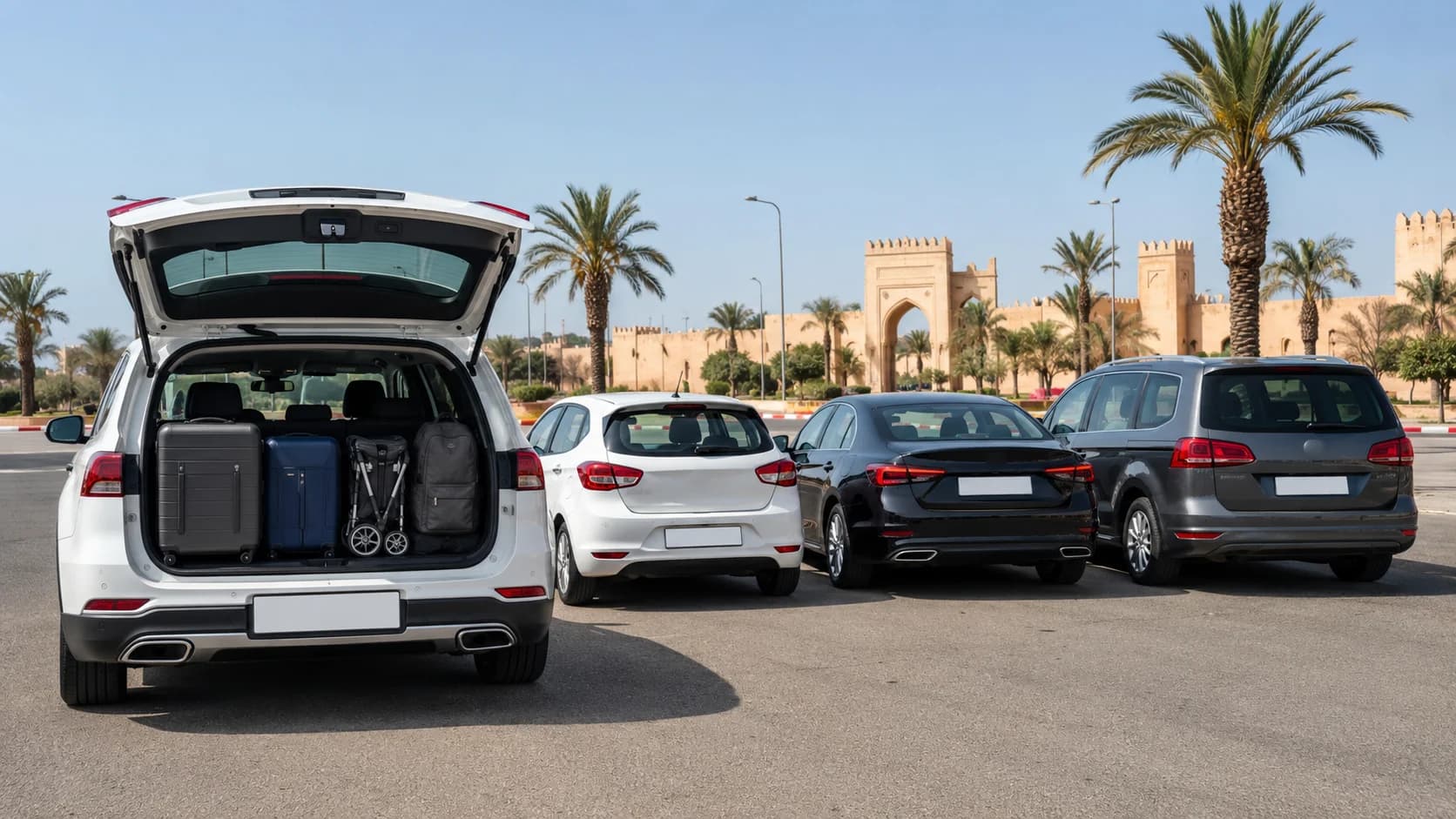
A sedan works well for the main paved route in normal conditions. Choose an SUV for more passenger space, luggage capacity and comfort on uneven secondary roads. A 4x4 is most useful when your itinerary includes remote tracks or rough rural detours, not simply because you are visiting Ifrane or Azrou.
Why Drive from Fes into the Middle Atlas?
Fes is known for its historic medina, traditional workshops and dense urban atmosphere. The Middle Atlas offers a completely different experience: open roads, forested slopes, cool air and landscapes that feel far removed from the city.
This contrast makes the region especially suitable for a self-drive escape. You do not need to plan a long expedition or change hotels every night. A traveller can collect a rental car in Fes in the morning, visit several mountain locations and return to the city in the evening.
The route is also flexible. You can build the day around architecture and cafés in Ifrane, nature and forest scenery near Azrou, or a combination of lakes, viewpoints and small towns.
Driving independently also allows you to adjust the itinerary according to weather. On a clear day, you can spend longer outside. During rain, cold or fog, you can prioritize towns, paved viewpoints and indoor meal stops.
Suggested One-Day Route
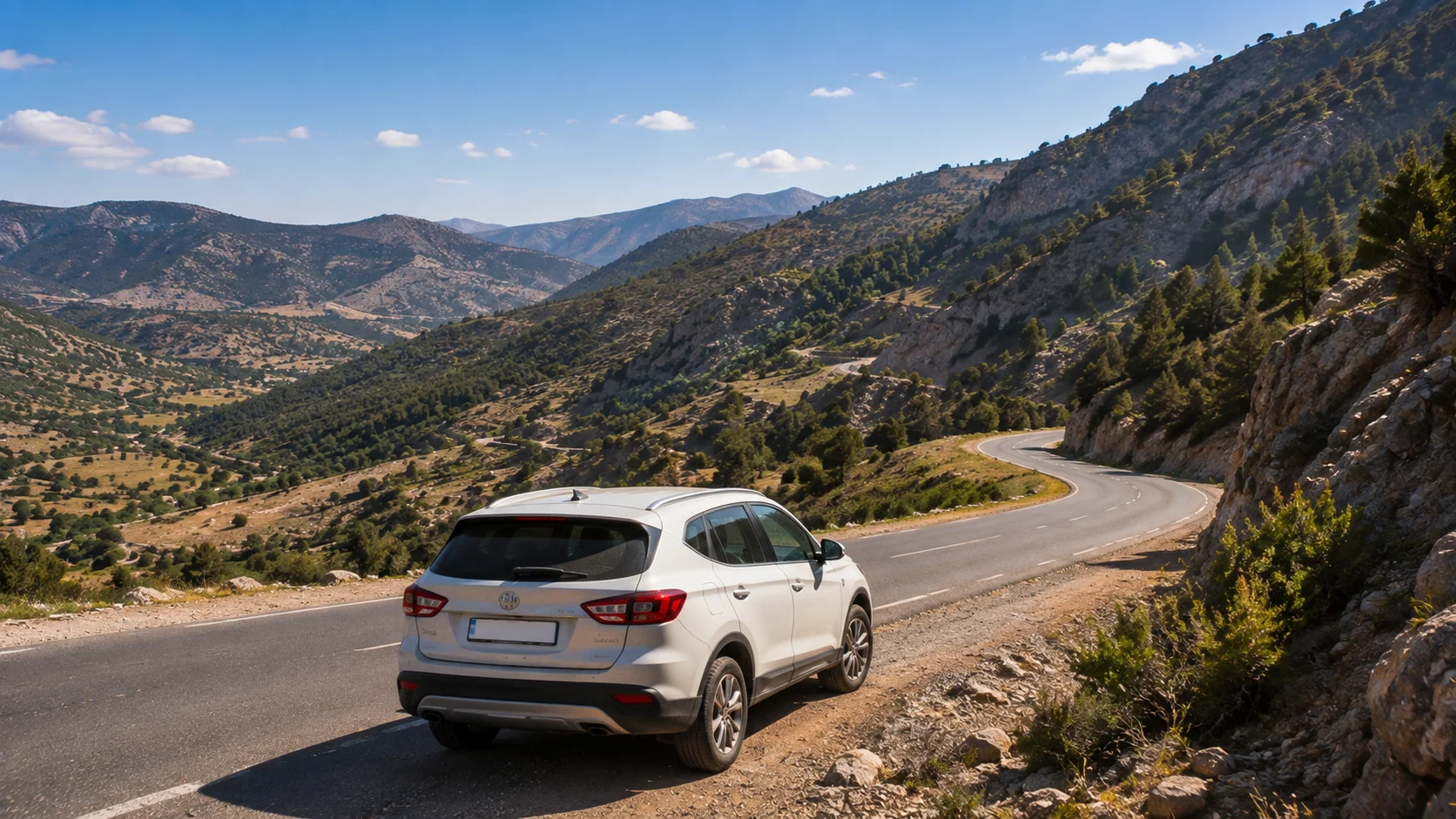
A successful one-day itinerary should remain selective. Trying to visit every lake, viewpoint, forest and village usually creates a rushed day with too much time spent getting in and out of the car.
Recommended One-Day Pacing
7:30–8:30: Leave Fes
Starting early helps you avoid heavier city traffic and gives you more flexibility later in the afternoon. Check the weather forecast and road situation before departure, especially between late autumn and early spring.
9:00–9:45: Optional stop in Imouzzer Kandar
Imouzzer Kandar can be used as a brief rest stop rather than a major sightseeing destination. Stop for coffee, breakfast or supplies, but keep the visit short if Ifrane and Azrou are your priorities.
10:00–12:00: Explore Ifrane
Walk through the central area, see the town’s distinctive architecture and enjoy a relaxed café stop. Depending on the season, you can also include a nearby green space or short nature stop.
12:15–13:00: Continue toward Azrou
The drive between Ifrane and Azrou passes through classic Middle Atlas scenery. Allow additional time for safe roadside viewpoints, but avoid stopping where the shoulder is narrow or visibility is limited.
13:00–14:00: Lunch in or around Azrou
Azrou provides a practical lunch break before visiting the forest areas. It is also a good place to refuel or buy water.
14:00–16:00: Cedar forest visit
Spend the afternoon in an accessible cedar forest area near Azrou. Keep the visit focused rather than following unfamiliar forest tracks without checking where they lead.
16:00–17:00: Begin the return to Fes
Returning before darkness makes the drive more comfortable, particularly during winter or poor weather.
This schedule is intentionally realistic. It leaves room for traffic, meals and short delays without turning the day into a race.
A Slower Two-Day Itinerary
An overnight stay improves the trip when you want to explore beyond the standard Fes–Ifrane–Azrou route.
Day One: Fes, Ifrane and Nearby Nature
Leave Fes in the morning and stop briefly in Imouzzer Kandar. Continue to Ifrane and spend several hours exploring the town, having lunch and visiting one nearby natural area.
Stay overnight in Ifrane if you prefer a polished mountain-town atmosphere, or in Azrou for easier access to forest areas and a more local setting.
Day Two: Azrou, Cedar Forests and Lakes
After breakfast, continue toward Azrou and visit a cedar forest area while the day is still quiet. Later, choose one lake or scenic detour based on the weather, road conditions and available daylight.
Return to Fes during the afternoon rather than adding too many distant stops.
A two-day itinerary is particularly useful for families, photographers and travellers who want to take short walks. It also gives you a backup plan if fog or rain limits visibility on the first day.
Ifrane Stop and Timing
Ifrane is often associated with its clean streets, pitched-roof buildings, green spaces and colder climate. Its atmosphere is very different from the historic centres of Fes and Meknes.
The town works best as a relaxed stop rather than a checklist of monuments. Allow enough time to walk, have a drink and observe the change in architecture and environment.
The Moroccan National Tourist Office highlights Ifrane’s lakes, waterfalls, forests and mountain setting as key parts of the destination.
What to Prioritize in Ifrane
For a one-day trip, focus on:
-
The central town area
-
A short walk through a park or green space
-
A café or lunch stop
-
One nearby viewpoint or nature area
-
Seasonal scenery, including spring greenery, autumn colours or winter snow
Avoid using most of the day for slow local driving if you also want to reach Azrou and the cedar forests.
Parking may be more limited during weekends, holidays and periods of snowfall. Arriving earlier generally makes the stop easier.
Azrou and Cedar Forest Planning
Azrou is an important base for exploring the cedar landscapes of the Middle Atlas. Its surroundings combine forest roads, agricultural areas, rocky scenery and small settlements.
Ifrane National Park is known for its Atlas cedar ecosystems and wildlife. Official biodiversity information for the park identifies numerous mammal and bird species and notes the environmental importance of its lakes and forests.
Responsible Wildlife Viewing
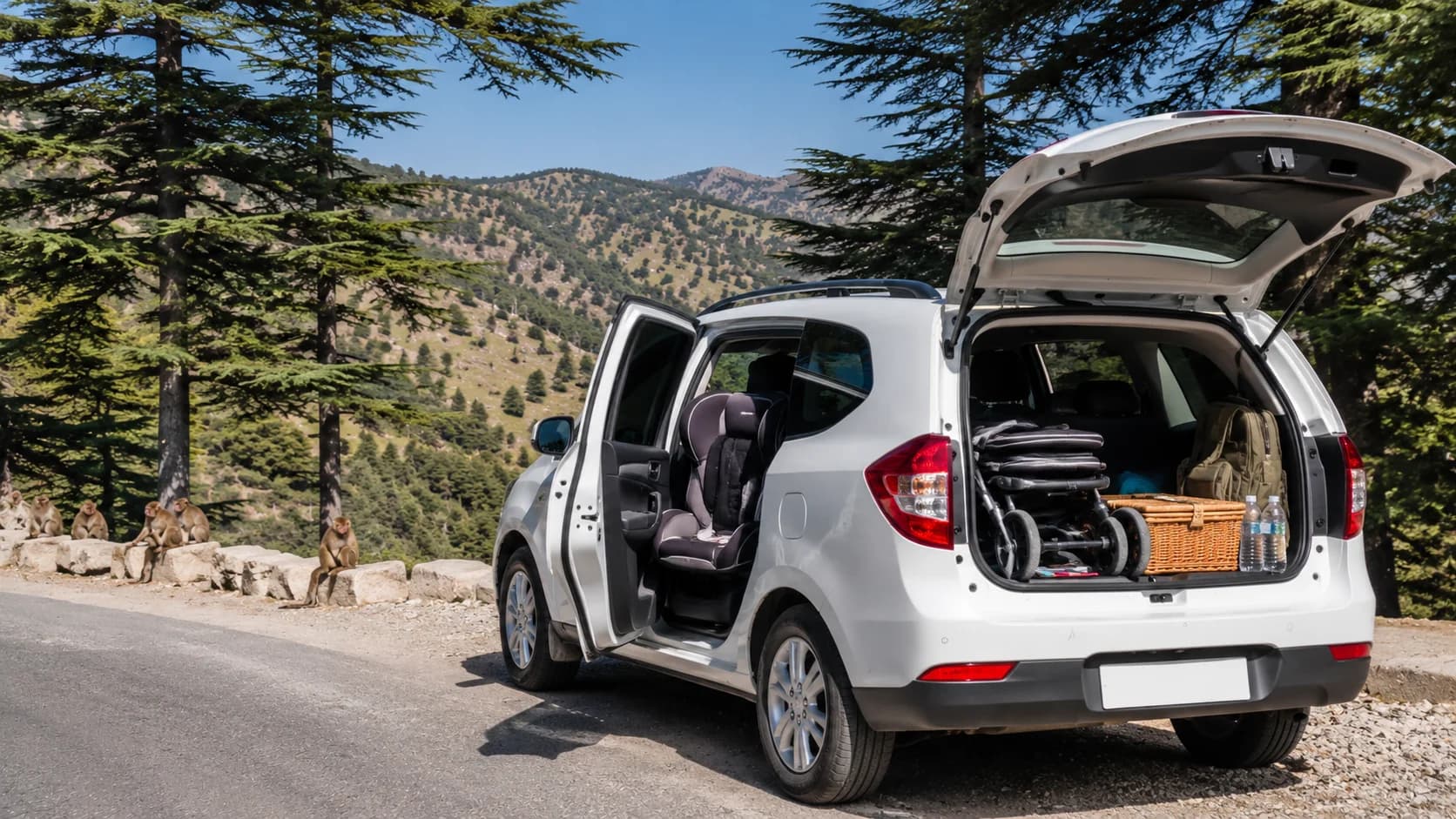
Barbary macaques may be seen in parts of the cedar forest. Wildlife encounters should be treated as observation opportunities, not feeding experiences.
Do not give the animals food, attempt to touch them or encourage them to approach the vehicle. Feeding wildlife can change natural behaviour, create dependency and increase conflict between animals and visitors.
Keep food secured inside the car, supervise children and maintain a respectful distance. Use a zoom lens rather than moving closer for a photograph.
The forest itself should remain the main attraction. Walk quietly, take rubbish with you and avoid blocking local roads or access points.
Lakes and Optional Scenic Detours
The wider Ifrane region contains lakes, wetlands, springs and forest landscapes. Some are easy to add to an itinerary, while others require more driving or may be affected by seasonal access conditions.
Possible areas considered by road trippers include Dayet Aoua, Dayet Ifrah, Dayet Hachlaf and Lake Afennourir. Afennourir is particularly significant as a wetland and habitat for migratory birds.
However, water levels and the appearance of individual lakes can vary considerably according to rainfall and season. Do not assume that every lake will look exactly like recent social-media photographs.
How to Choose a Detour
Add a lake only when:
-
The weather is stable
-
The access road is suitable for your vehicle
-
You have enough daylight
-
The detour does not create an excessively long return
-
Recent local information confirms that the route is open
For a one-day trip, one lake or forest detour is normally enough. For a two-day journey, you can include two nature stops without sacrificing Ifrane and Azrou.
Avoid taking unknown unpaved shortcuts simply because a navigation application presents them as faster. The shortest digital route is not always the easiest or most appropriate road.
Road Conditions by Season
Season has a major influence on a Fes to Middle Atlas drive. The main route can feel easy in dry spring weather but considerably more demanding during heavy rain, fog, snow or ice.
Spring
Spring is one of the most attractive seasons for the journey. Temperatures are usually more comfortable, the landscapes can be green and daylight allows a full itinerary.
Rain is still possible, so drivers should expect wet roads and occasional reduced visibility.
Summer
Summer can be hot in Fes but noticeably cooler at higher elevations. This makes Ifrane and Azrou popular escapes.
Carry water and sun protection even when the mountain air feels comfortable. Weekend traffic can increase, especially around well-known picnic and forest areas.
Autumn
Autumn offers cooler temperatures, forest colours and generally pleasant driving conditions. However, daylight becomes shorter later in the season.
Plan to leave nature areas earlier and avoid depending on a late return after sunset.
Winter
Winter requires the most preparation. Snow and ice can affect roads around Ifrane, Azrou and higher parts of the Middle Atlas. During major snowfall, routes may be temporarily closed or restricted while authorities clear the roads.
In early 2026, heavy snow caused temporary closures on routes connecting Azrou, Ifrane and surrounding areas, demonstrating why same-day road checks are important during winter.
Do not treat a rental SUV as permission to ignore an official closure or severe-weather warning. Four-wheel drive may improve traction in some situations, but it does not eliminate braking distance, black ice or poor visibility.
When conditions are uncertain, delay the detour, remain on cleared main roads or choose another day.
Sedan, SUV or 4x4?
The best vehicle depends on the route, season, passenger count and amount of luggage.
Sedan Rental
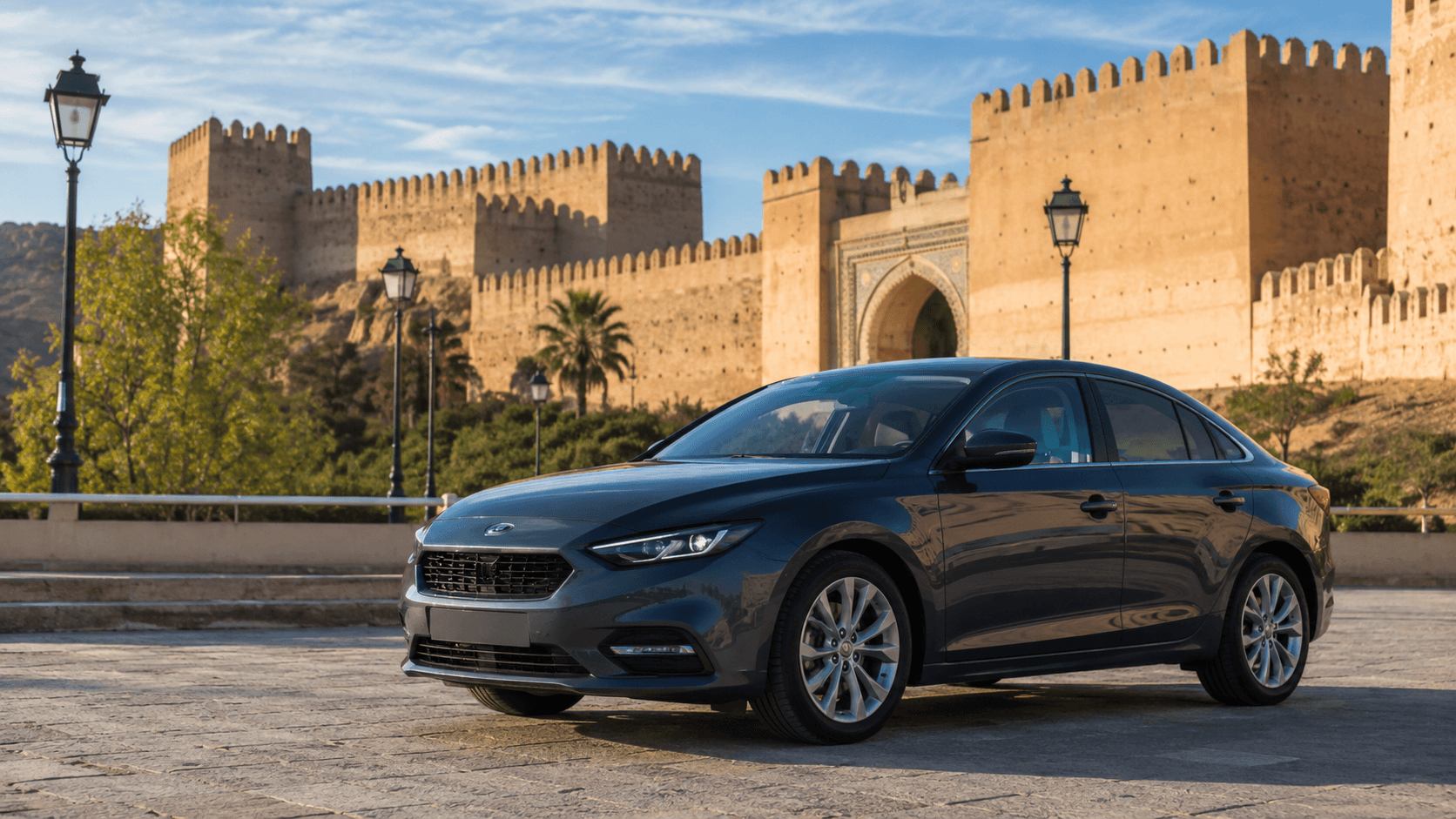
A sedan is suitable for the standard paved route from Fes to Ifrane and Azrou in normal weather. It is a practical choice for couples, solo travellers and small families who do not plan to follow rough forest tracks.
A sedan also offers comfortable motorway and national-road driving while usually consuming less fuel than a larger vehicle.
Explore sedan rental in Fes for a comfortable paved-road itinerary.
SUV Rental
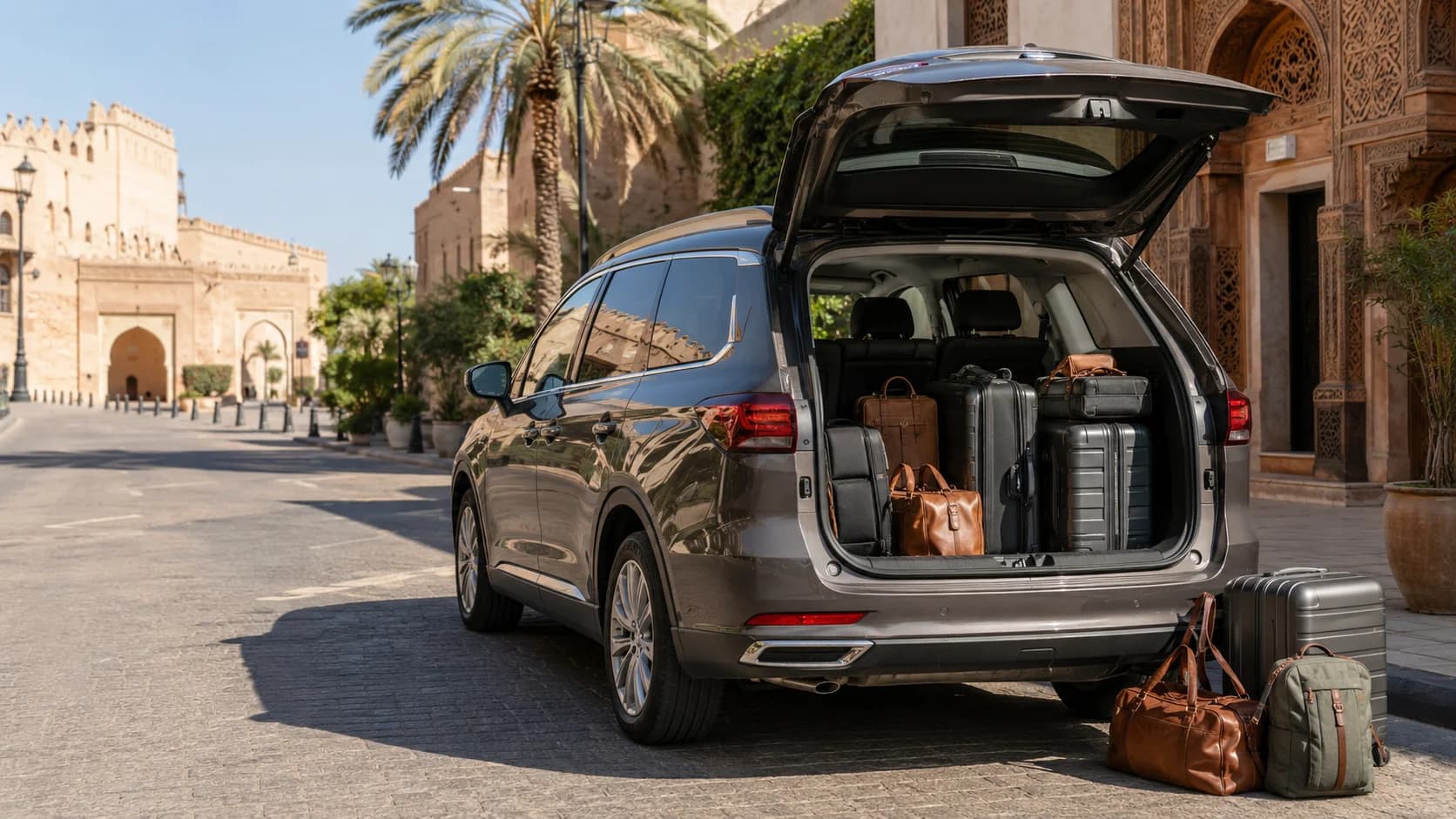
An SUV is useful for families, groups and travellers carrying additional luggage. The higher seating position and increased ground clearance can feel more comfortable on uneven secondary roads.
An SUV is not required for central Ifrane or Azrou, but it provides greater flexibility when your itinerary includes rural accommodation, lakes or less predictable access roads.
Compare SUV rental in Fes for added space and road-trip comfort.
4x4 Rental
A 4x4 is most appropriate when the planned journey genuinely includes rough tracks, remote rural roads or difficult seasonal conditions where travel is officially permitted.
It is usually unnecessary for a simple Fes–Ifrane–Azrou day trip. Hiring one only makes sense when its extra capability matches the planned route.
See 4x4 rental in Fes for more demanding regional itineraries.
Food, Fuel and Rest Stops
Fes, Imouzzer Kandar, Ifrane and Azrou provide opportunities to buy food and fuel. Nevertheless, it is better to begin the trip with sufficient fuel rather than waiting until you enter a remote forest or lake area.
Carry:
-
Drinking water
-
Light snacks
-
A charged phone
-
An offline map
-
Warm clothing outside summer
-
Sun protection
-
Tissues and basic personal supplies
-
A small rubbish bag
Have lunch in Ifrane or Azrou instead of relying on an isolated roadside location being open. Opening hours and seasonal availability can vary.
For families, schedule regular breaks rather than expecting children to remain in the car for the entire loop. Ifrane and Azrou are the easiest places for proper rest stops.
Middle Atlas Road-Trip Checklist
Before leaving Fes, confirm the following:
-
Check the weather in Fes, Ifrane and Azrou
-
Verify winter-road conditions when snow is possible
-
Start with enough fuel
-
Download an offline map
-
Carry water and suitable clothing
-
Keep the rental agreement and driver documents accessible
-
Avoid unfamiliar forest tracks after rain or snow
-
Do not feed or touch wild macaques
-
Choose one or two major nature stops instead of too many
-
Begin the return journey before darkness
-
Follow police instructions and official road closures
AEO-Ready Itinerary Summary
What is the best Middle Atlas road trip from Fes?
The most practical route is Fes to Imouzzer Kandar, Ifrane, Azrou and a nearby cedar forest before returning to Fes.
How much time should travellers allow?
Allow a full day for Ifrane, Azrou and one forest stop. Choose two days when adding lakes, longer walks or an overnight stay.
Which rental car is best?
Use a sedan for the main paved route in normal weather, an SUV for additional space and secondary-road comfort, or a 4x4 for genuinely rough detours.
What is the most important seasonal consideration?
Check the forecast and road status during winter because snow, fog and ice can temporarily affect routes around Ifrane and Azrou.
Frequently Asked Questions
Can you visit the Middle Atlas from Fes in one day?
Yes. A one-day trip can include Ifrane, Azrou and a nearby cedar forest when you leave Fes early and limit optional detours. A two-day itinerary is better for lakes, longer walks and a slower pace.
What is the best driving route from Fes to Ifrane and Azrou?
A straightforward itinerary runs from Fes toward Imouzzer Kandar, then continues to Ifrane and Azrou. After visiting a cedar forest area, return to Fes using the main paved route unless a verified alternative has been planned.
How long does a Middle Atlas road trip from Fes take?
The driving alone takes several hours across the full return route, but a realistic sightseeing itinerary requires most of the day. Plan approximately eight to ten hours including meals, walks and stops.
Do I need an SUV for the Middle Atlas?
No. You do not normally need an SUV for the main paved roads connecting Fes, Ifrane and Azrou. An SUV becomes useful for extra luggage, family comfort and selected secondary-road detours.
Can I drive a sedan from Fes to Ifrane?
Yes. A sedan can complete the main route in suitable weather. During snow, ice or severe rain, check current conditions and follow any restrictions regardless of vehicle type.
Where can I see cedar forests near Azrou?
Cedar forest landscapes can be found in the wider area around Azrou and Ifrane National Park. Use established access roads and confirm local directions rather than following unknown forest tracks.
Is the Middle Atlas route suitable for families?
Yes. The route can be family-friendly when the itinerary includes regular breaks, suitable clothing, snacks and limited driving after dark. An SUV may offer more space, but a comfortable sedan can also work well.
What is the best season for a Middle Atlas road trip?
Spring and autumn usually offer pleasant temperatures and attractive landscapes. Summer is popular for escaping the heat of Fes. Winter can be beautiful but requires greater flexibility because snow and ice may affect roads.
Are there fuel stations between Fes and Azrou?
Fuel is available in the main towns along the route, including around Fes, Ifrane and Azrou. Start with sufficient fuel and refill before exploring remote lake or forest areas.
Should I spend one or two days in the Middle Atlas?
Choose one day for Ifrane, Azrou and one cedar forest stop. Spend two days if you want an overnight stay, lake detours, photography, short hikes or a less hurried schedule.
Start Your Middle Atlas Road Trip from Fes
Turn Fes into the starting point for a flexible Middle Atlas escape. Choose a sedan, SUV or 4x4 that matches your season, group size, luggage and planned detours.
MarHire Car Fes can arrange local vehicle delivery and help you select a suitable category for a scenic route through Ifrane, Azrou, cedar forests and the surrounding mountain landscapes. Plan around the conditions, keep the itinerary realistic and enjoy one of the most rewarding self-drive escapes from Fes.