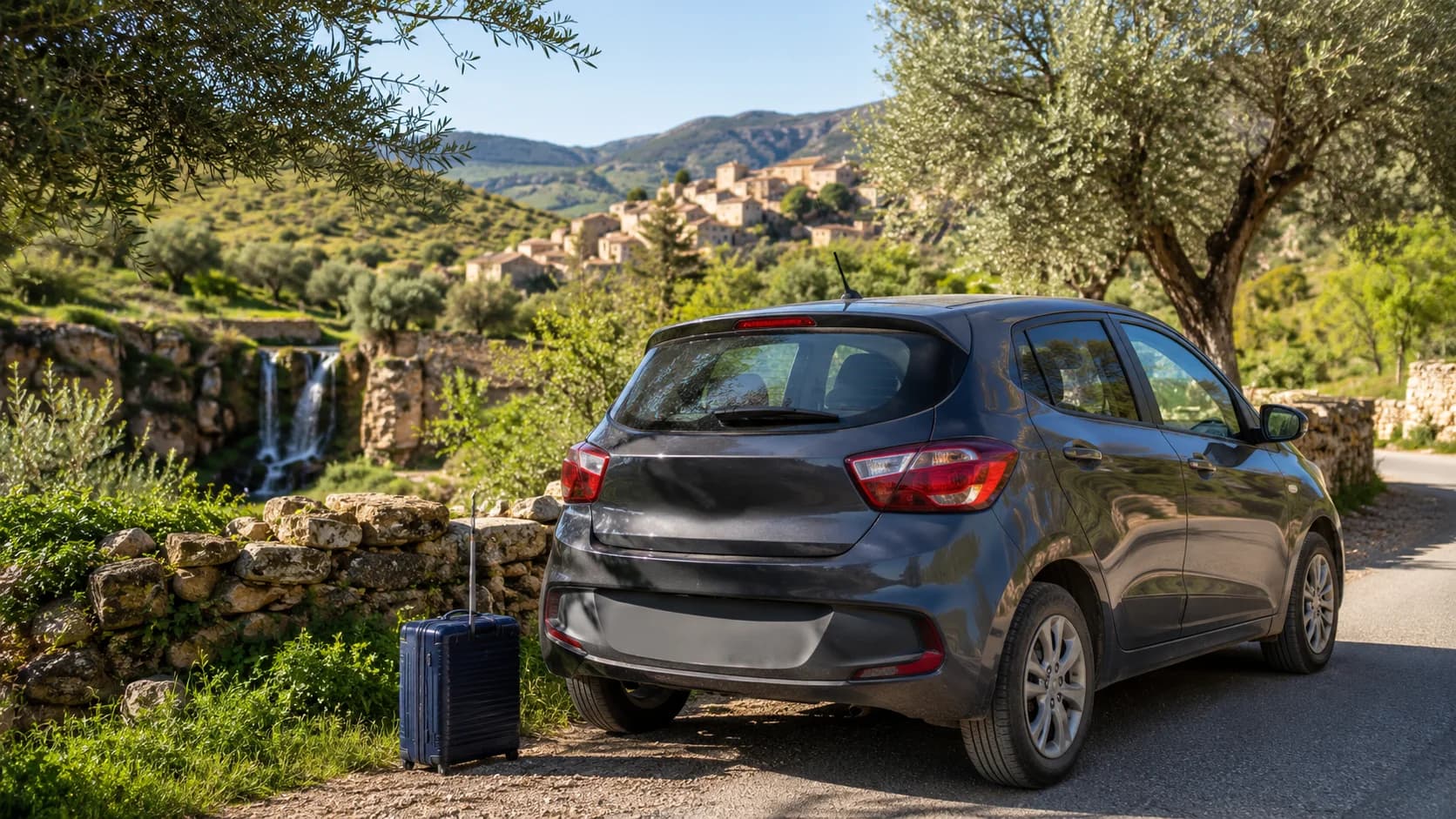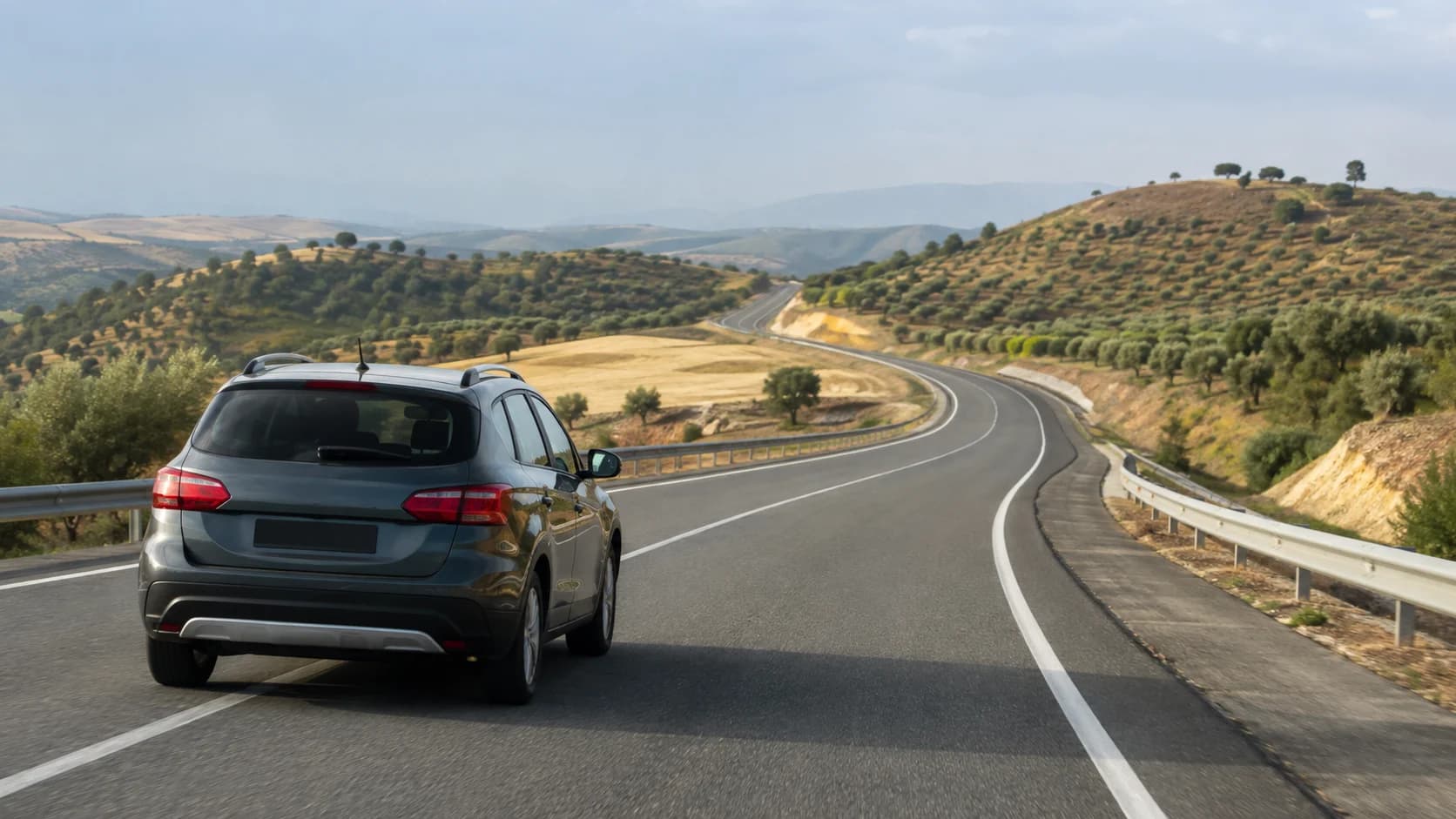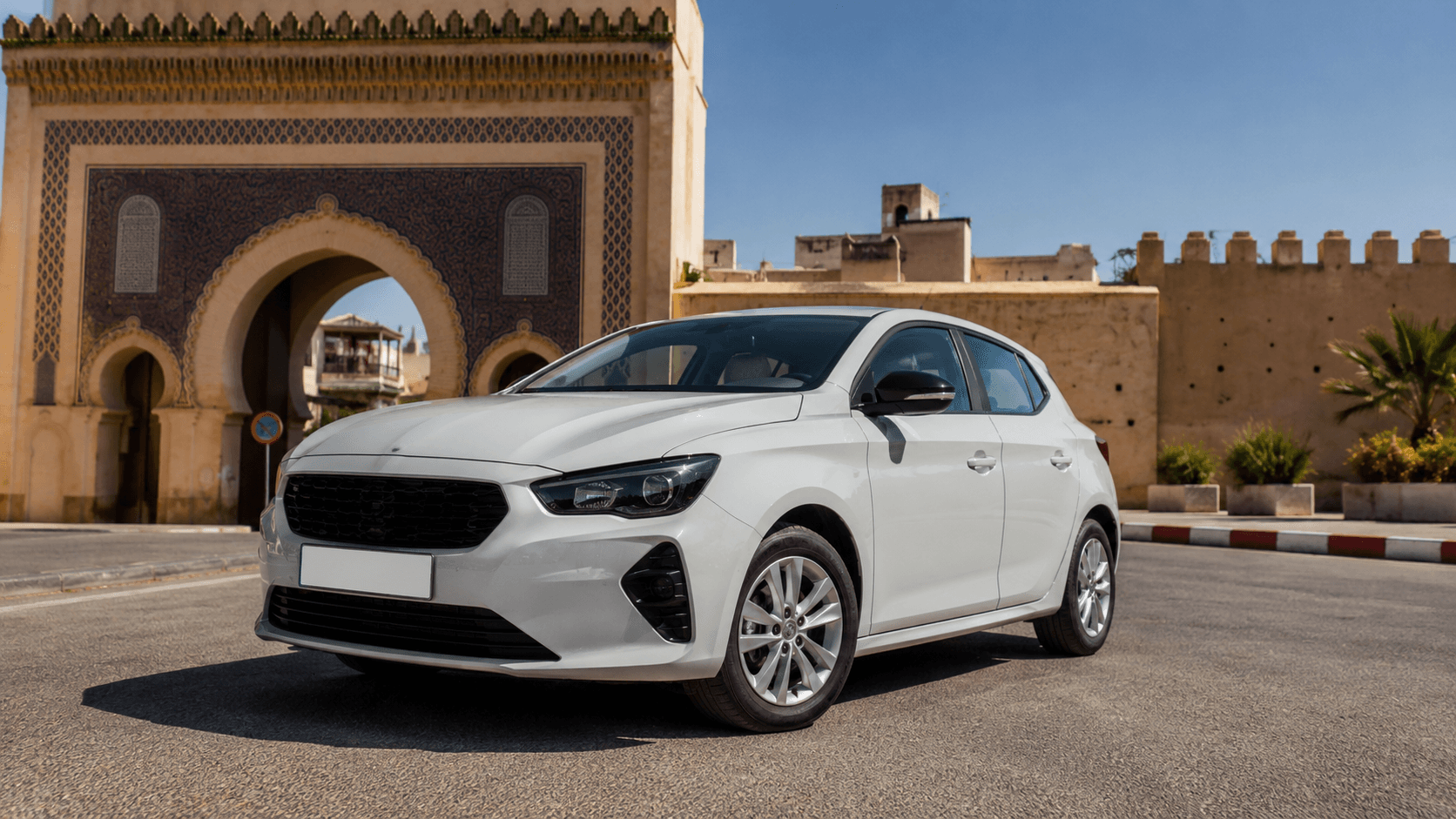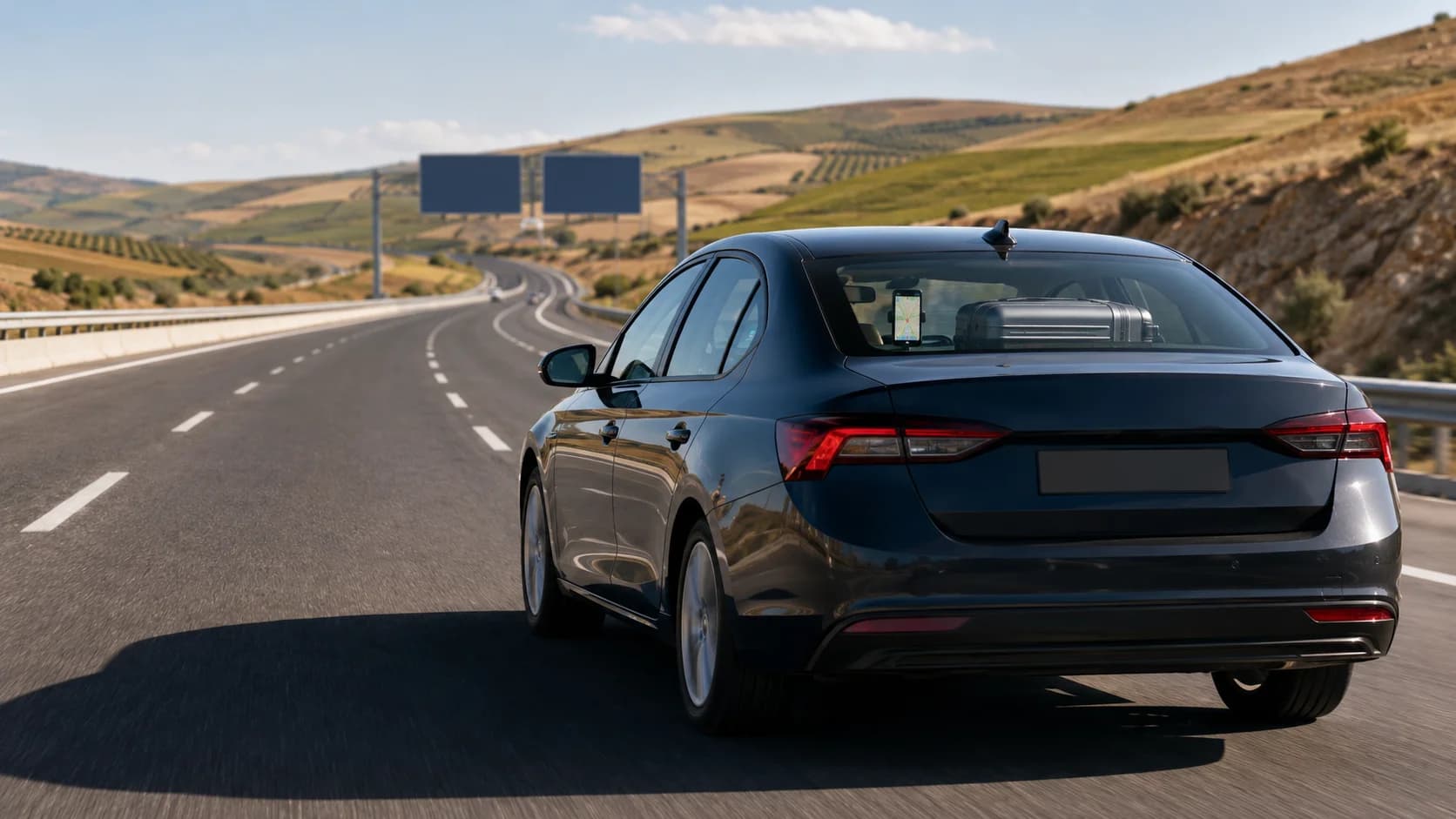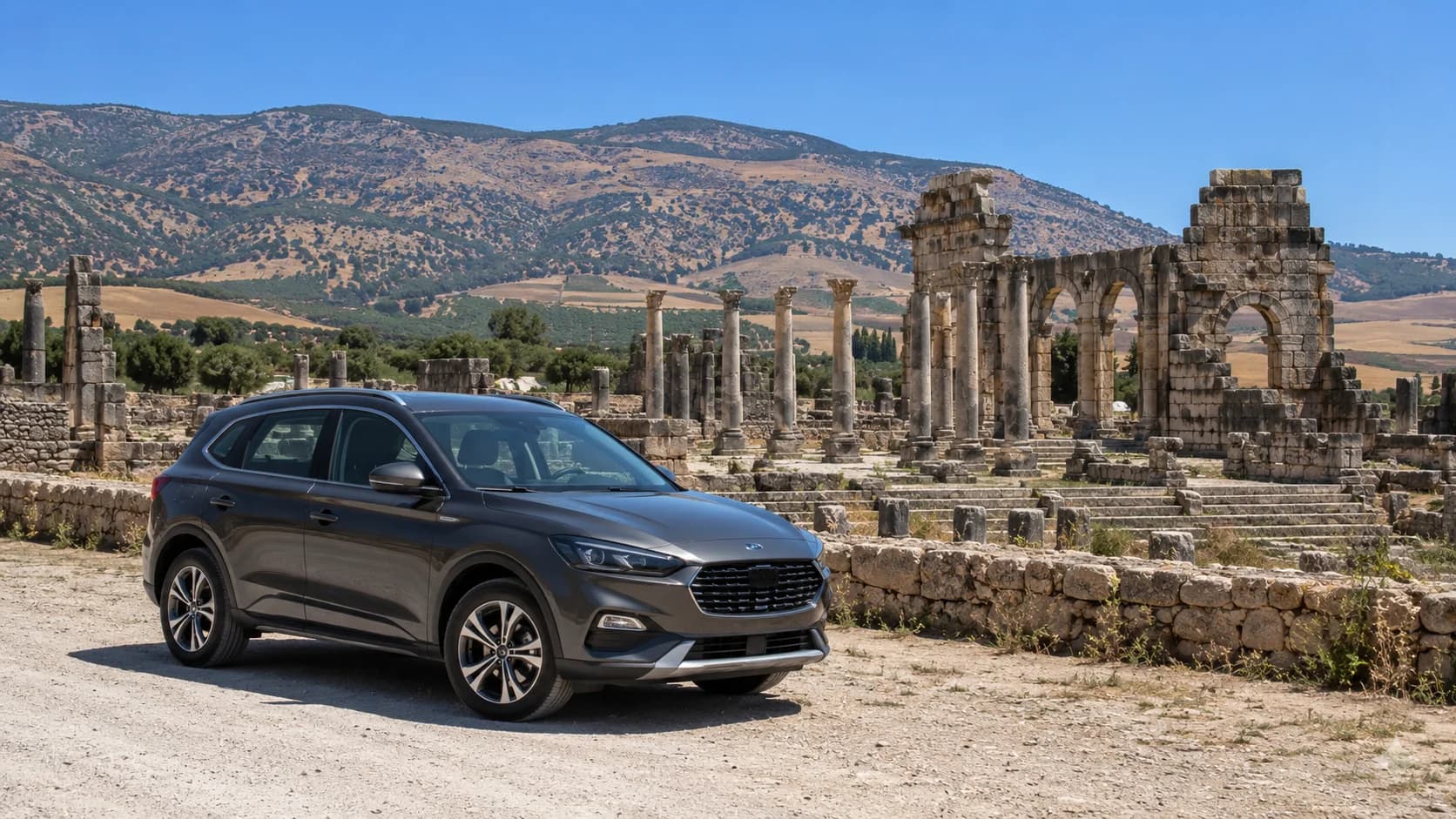









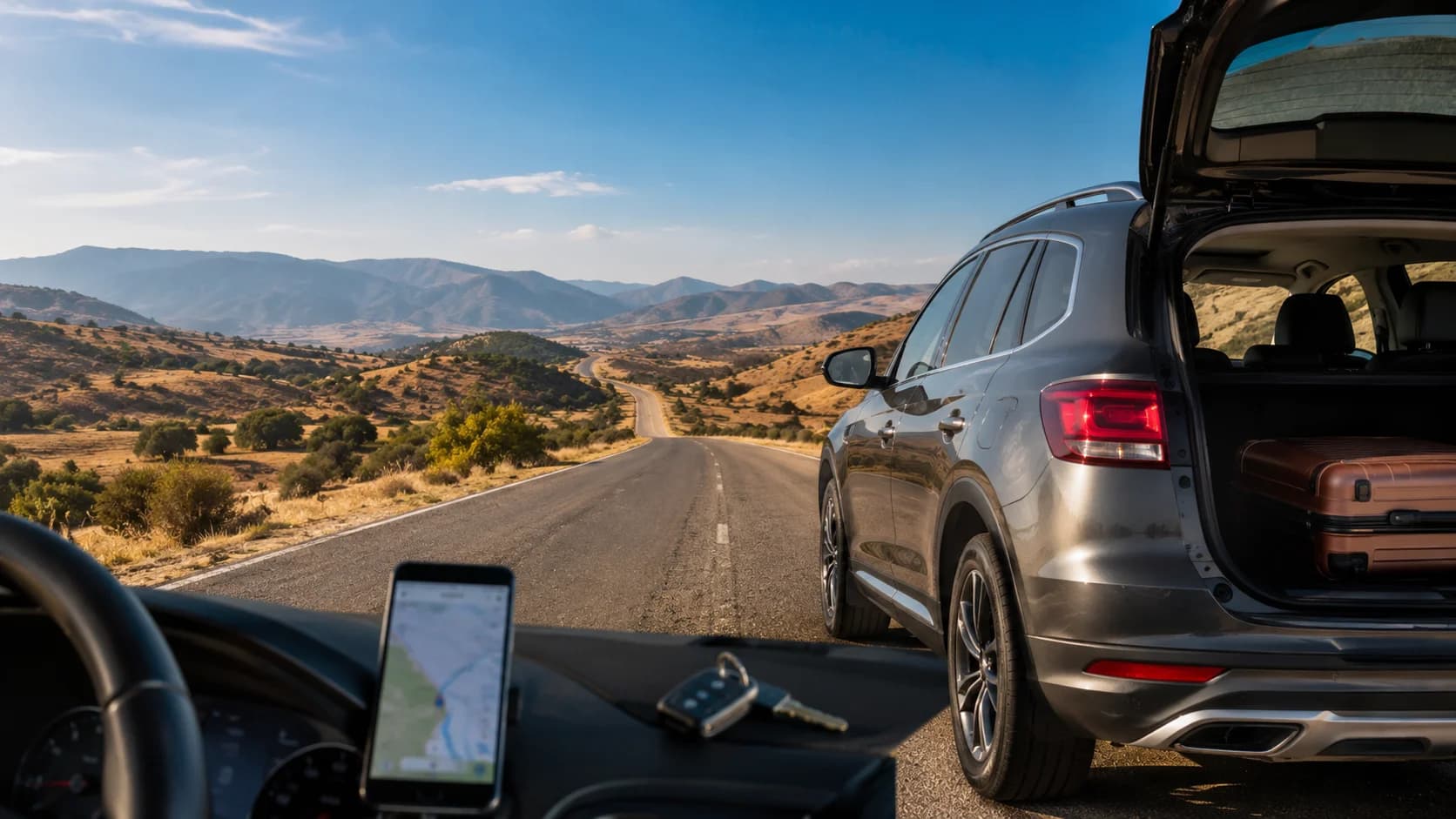
Driving Fes to Marrakech by car is one of the best ways to turn a simple city transfer into a real Morocco road trip. The journey can be done fast by motorway, slowly through the Middle Atlas, or as a longer desert-style route if you have extra time. Most road estimates place the driving distance between Fes and Marrakech at around 530 to 580 km depending on the route, with the motorway option usually the easiest for first-time drivers.
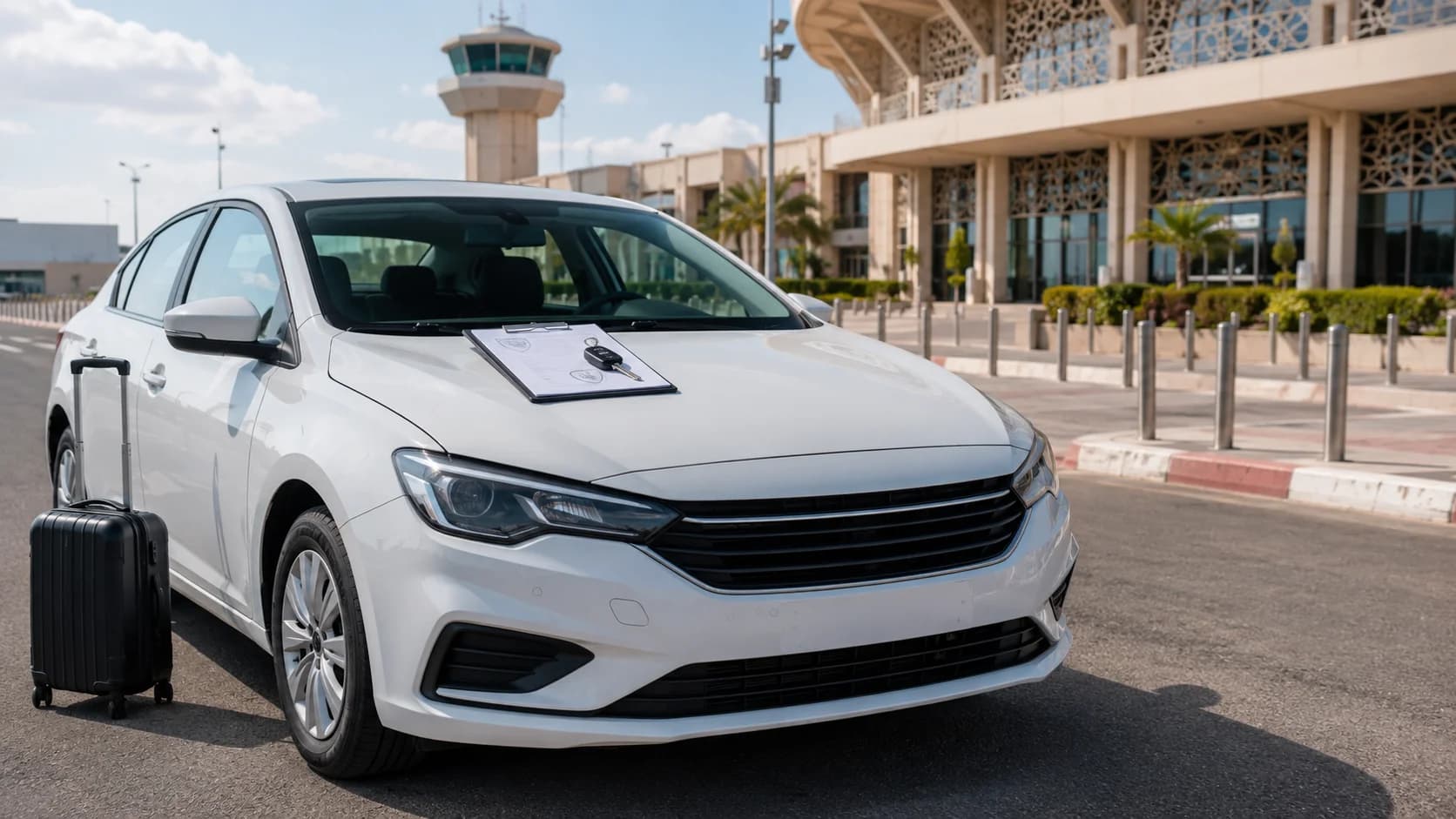
For travelers renting a car in Fes, the main decision is simple: do you want the fastest route, the most scenic route, or a multi-day adventure? A comfortable sedan is usually enough for the motorway. An SUV is better if you plan to include mountain roads, luggage, family passengers or longer stopovers. MarHire Car Fes can help with city pickup, airport delivery, unlimited kilometers on most rentals and one-way drop-off options in Marrakech.
Table of Contents
- Three ways to drive Fes to Marrakech
- The fast route via the A2 motorway
- The scenic route via Ifrane, Azrou & Beni Mellal
- The 2-day desert route option
- Distance and realistic drive times
- Best stops along the way
- One-way drop-off in Marrakech
- Best car for the long drive
- Fuel, tolls and rest stops
- Plan your Fes–Marrakech drive
- FAQs
1. Three ways to drive Fes to Marrakech
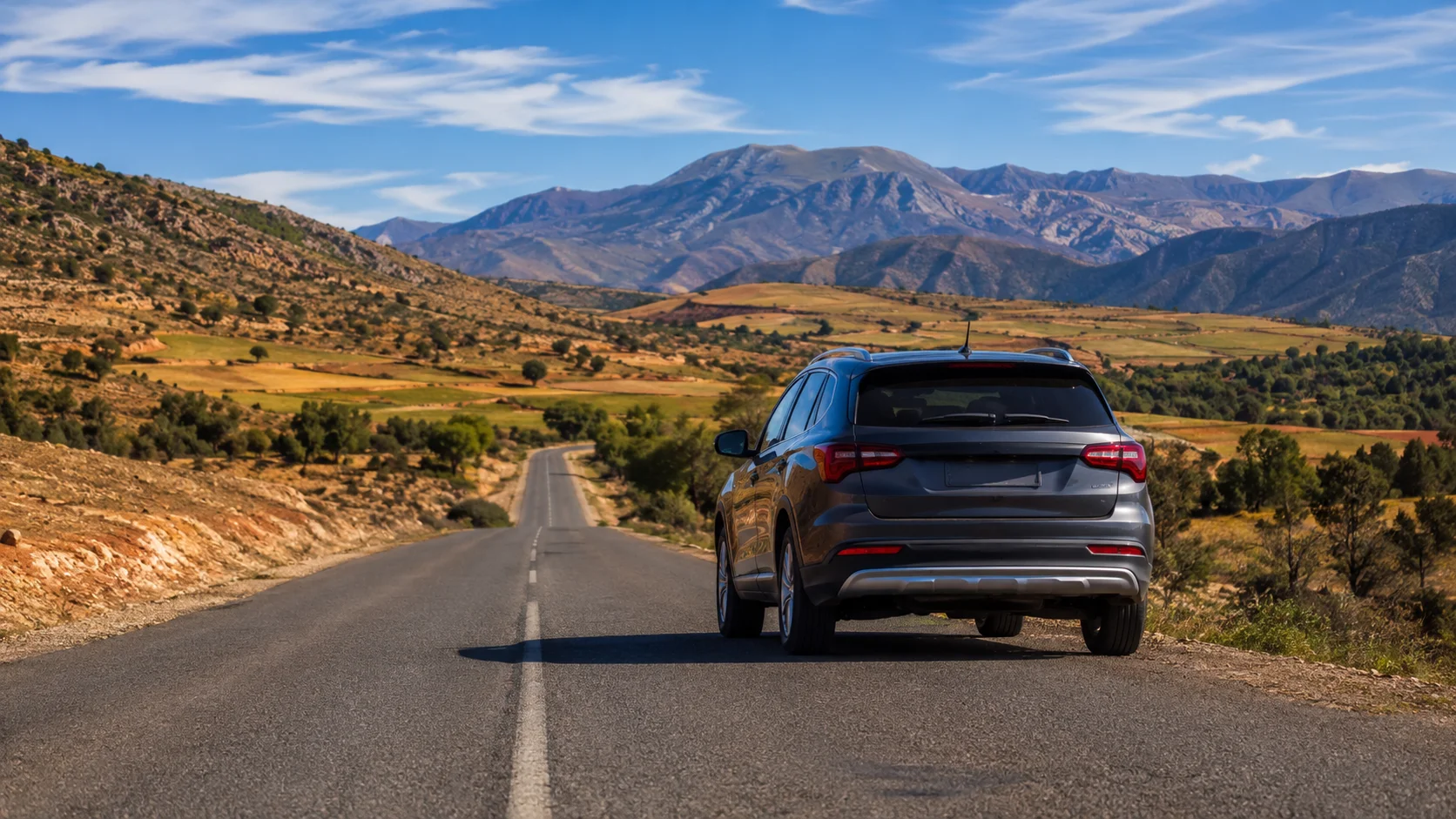
There is no single “best” Fes to Marrakech route. The best choice depends on your driving confidence, schedule, travel style and how much of Morocco you want to see between the two imperial cities.
The first option is the fast motorway route. This is the easiest choice if your goal is to reach Marrakech in one day with predictable roads, service areas and less navigation stress. It usually follows the A2 from Fes toward Rabat, then continues toward Casablanca and Marrakech using the main motorway network. ADM lists the A2 as the Rabat to Oujda motorway serving Meknes and Fes, while the A3 connects Casablanca toward Marrakech and Agadir.
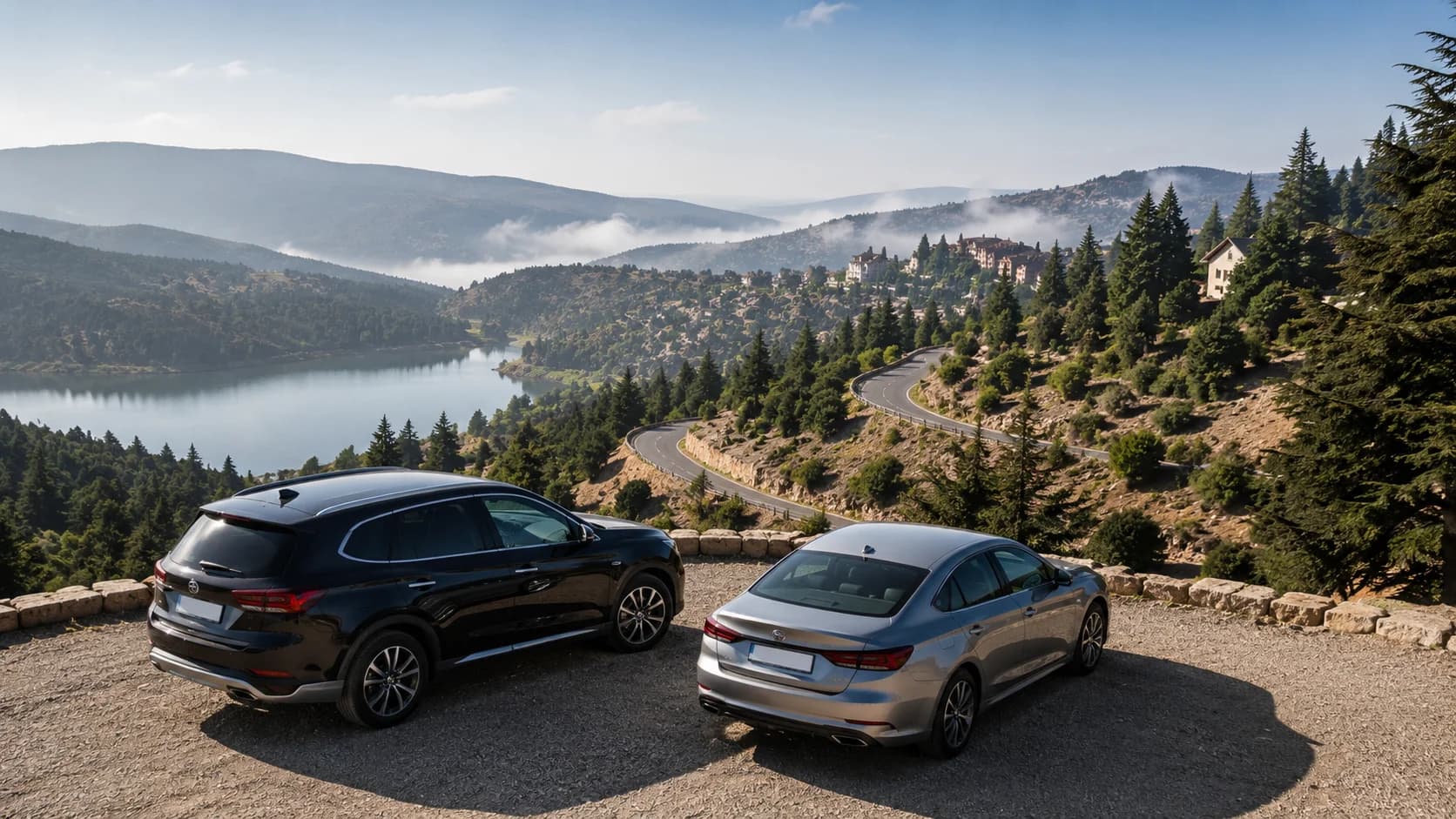
The second option is the scenic Middle Atlas route. This takes you south from Fes through Ifrane, Azrou, mountain landscapes, Khenifra, Beni Mellal and then toward Marrakech. It is slower, but it feels more like a road trip than a transfer. It is a strong option if you want cedar forests, cooler mountain towns and countryside views.
The third option is the desert-style route. This is not the practical route for most travelers because it adds many hours and should ideally be done over several days. But if you want Fes, desert landscapes, kasbah country and Marrakech in one journey, it can become the highlight of the trip.
2. The fast route via the A2 motorway
The fast route is the best choice for most travelers driving from Fes to Marrakech in one day. It is not the most beautiful route, but it is the most practical. You leave Fes, join the motorway toward Meknes and Rabat, continue south via the Casablanca area, then follow the motorway toward Marrakech.
This route works well if you have luggage, children, a hotel check-in time, a flight connection the next day, or you simply want a clean and controlled drive. The road quality is generally easier than the mountain route, and you will find more regular motorway services for fuel, coffee, food and bathroom breaks.
A realistic plan is to leave Fes early in the morning, avoid spending too much time entering Casablanca, and arrive in Marrakech before dark. Do not plan this drive as if it is only time behind the wheel. You need to include fuel stops, toll gates, lunch, traffic near large cities and the final entry into Marrakech.
For this route, a sedan rental Fes is usually the most comfortable value choice. A sedan gives you better long-distance comfort than a small economy car, enough luggage room for most couples or small families, and stable motorway driving without paying for a larger vehicle you may not need.
3. The scenic route via Ifrane, Azrou & Beni Mellal
The scenic route from Fes to Marrakech is slower, but much more memorable. Instead of staying mostly on motorways, you head south through the Middle Atlas. The route can include Ifrane, Azrou, Khenifra, Beni Mellal and the plains before Marrakech.
Ifrane is one of the easiest first stops from Fes. It has a very different atmosphere from the medina of Fes, with cooler air, mountain-town streets and green surroundings. Azrou is another strong stop, especially if you want a short break near the cedar forest area. The Middle Atlas region is often used for nature-based trips from Fes, and it gives the journey a completely different feel from the motorway corridor.
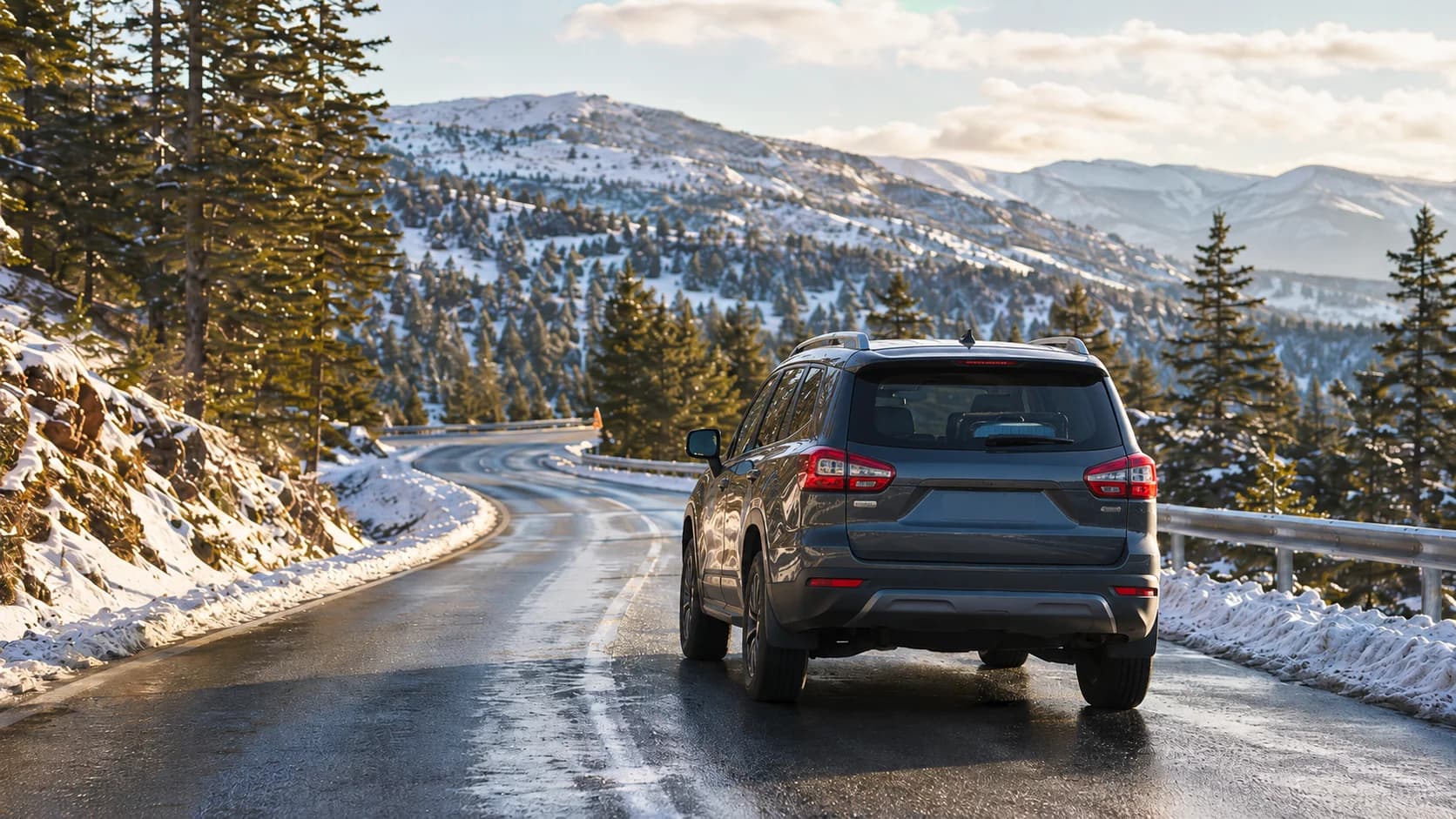
After Azrou, the road becomes more rural and scenic. This is where the drive feels like Morocco beyond the big cities. You should expect slower progress, more curves, changing weather in winter and more attention needed than on the motorway. It is beautiful, but it is not the route to choose if you are already tired or in a rush.
Beni Mellal can be used as a longer rest point or overnight stop if you want to split the drive. The wider Beni Mellal-Khenifra region is promoted for natural landscapes, outdoor scenery and regional travel experiences, so it fits well into a scenic road trip plan.
For this route, an SUV rental Fes is the better match if you have luggage, family passengers or want a more relaxed ride through mixed road conditions.
4. The 2-day desert route option
The desert route is the adventure option, but it needs honest planning. It is not the best route if your only goal is to get from Fes to Marrakech quickly. It adds major distance, long driving days and more route complexity.
A common desert-style direction is Fes to the Middle Atlas, then toward Midelt, Errachidia, Erfoud or Merzouga, then west through the Todra or Dades area, Ouarzazate and the High Atlas before reaching Marrakech. This can technically be planned in two long days, but it will feel rushed. For most travelers, three days is much better if you want time to actually enjoy the desert, valleys and stops.
A 2-day version only makes sense if you are comfortable with long driving, have a reliable car, start early, travel light and accept that the journey is more about moving through landscapes than relaxing in them. If you want a real Sahara experience with sunset, sleep, photos and stops, plan three days instead.
For this route, choose an SUV and confirm the exact itinerary with the rental team before booking. Ask about unlimited kilometers, road suitability, insurance details and one-way return in Marrakech.
5. Distance and realistic drive times
The Fes to Marrakech distance depends heavily on the route. The fast motorway route is usually around 530 to 580 km by road, depending on where you start in Fes and where you finish in Marrakech. Public route estimates commonly place the actual driving distance in this range rather than the straight-line distance.
A realistic drive time for the fast route is around 6.5 to 8.5 hours including normal breaks. Some map tools may show a shorter number, but real travel time changes with toll gates, fuel stops, traffic near Rabat, Casablanca and Marrakech, and the time needed to enter or exit city centers.
The scenic Middle Atlas route can take around 8 to 10.5 hours of real travel time, depending on stops and road conditions. If you stop properly in Ifrane, Azrou and Beni Mellal, it becomes a full-day journey. For a relaxed trip, consider sleeping around Beni Mellal or nearby.
The desert-style route should not be judged like a normal transfer. It can pass 900 km or more depending on the exact itinerary, and two days will be intense. Three days gives the route much more breathing room.
6. Best stops along the way
The best stops depend on the route you choose.
For the fast route, Meknes is the easiest cultural stop near the beginning of the journey. It works well if you leave Fes early and want one short imperial-city pause before committing to the motorway. Rabat can also be used as a long lunch stop, but it adds city driving and parking time. Casablanca is usually better to bypass unless you specifically want to stop there.
For the scenic route, Ifrane is the cleanest and easiest first pause. It is good for coffee, a short walk and a change of scenery after Fes. Azrou is better if you want a nature-style break before continuing deeper into the Middle Atlas. Khenifra can work as a practical road stop, while Beni Mellal is the strongest candidate for lunch, fuel or an overnight break.
For travelers who enjoy natural scenery, the Beni Mellal region can also connect with mountain and lake landscapes, but do not overload the day. The mistake many travelers make is adding every stop and then arriving in Marrakech late, tired and stressed.
For the desert route, your best stops are not quick stops. Midelt, Erfoud, Merzouga, Todra Gorge, Dades Valley and Ouarzazate all need proper time. Treat this as a road trip, not a detour.
7. One-way drop-off in Marrakech
A one-way car rental from Fes to Marrakech is one of the most useful options for this route. Instead of driving all the way back to Fes, you can pick up the car in Fes, enjoy the road trip, then return it in Marrakech.
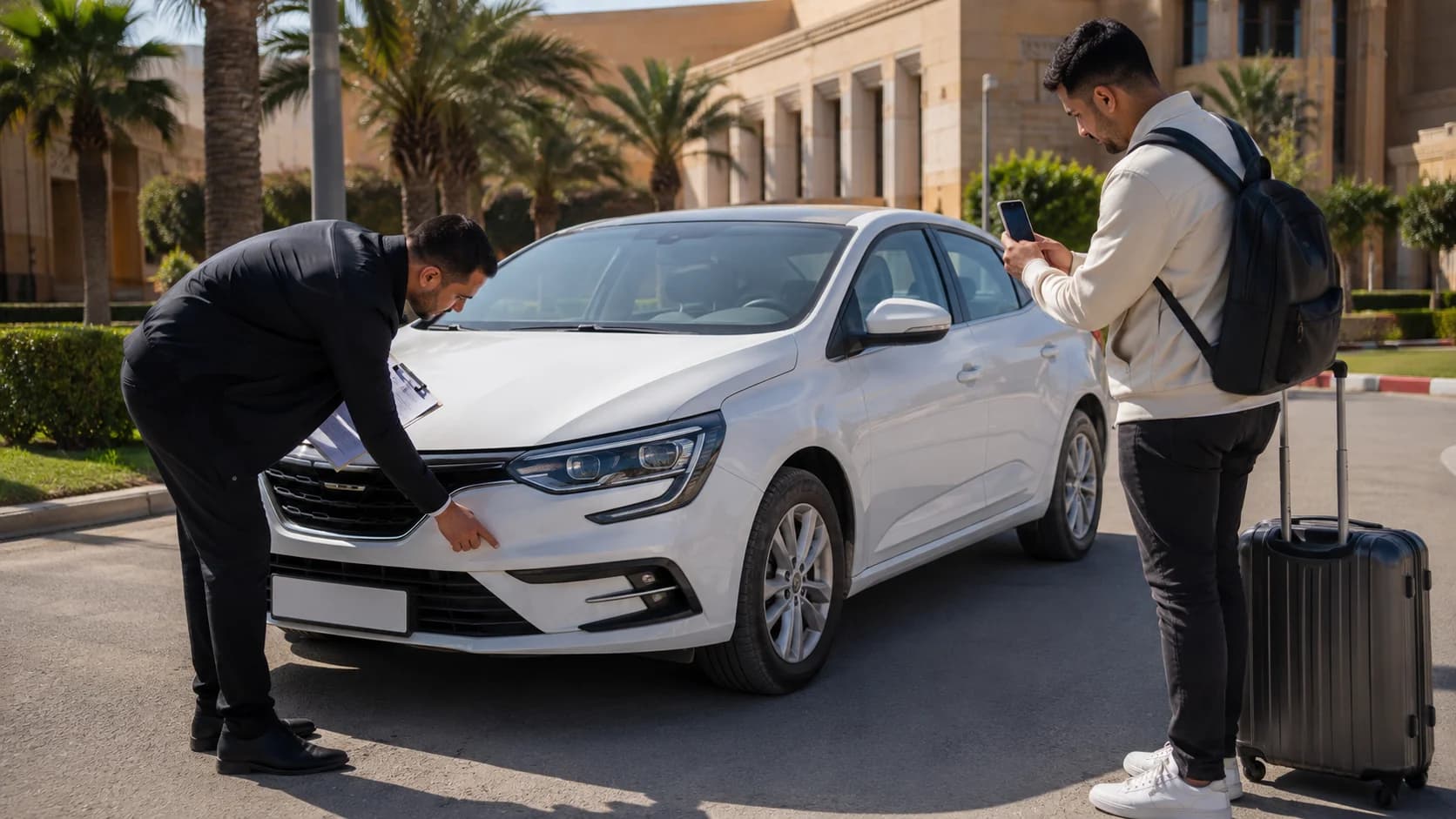
This is especially helpful for travelers who arrive in Fes by train or flight, then continue their Morocco trip south. It also works well if your next hotel, activity or flight is in Marrakech. Always confirm the one-way fee, return location and return time before you start the journey.
With MarHire Car Fes, you can ask for one-way drop-off in Marrakech when booking. The team can confirm whether your selected sedan or SUV is available for the route, whether unlimited kilometers apply, and what pickup documents are needed. For flexible payment and easier booking conditions, you can also check no deposit car rental Fes, especially if you want to avoid a large card hold on standard categories.
8. Best car for the long drive
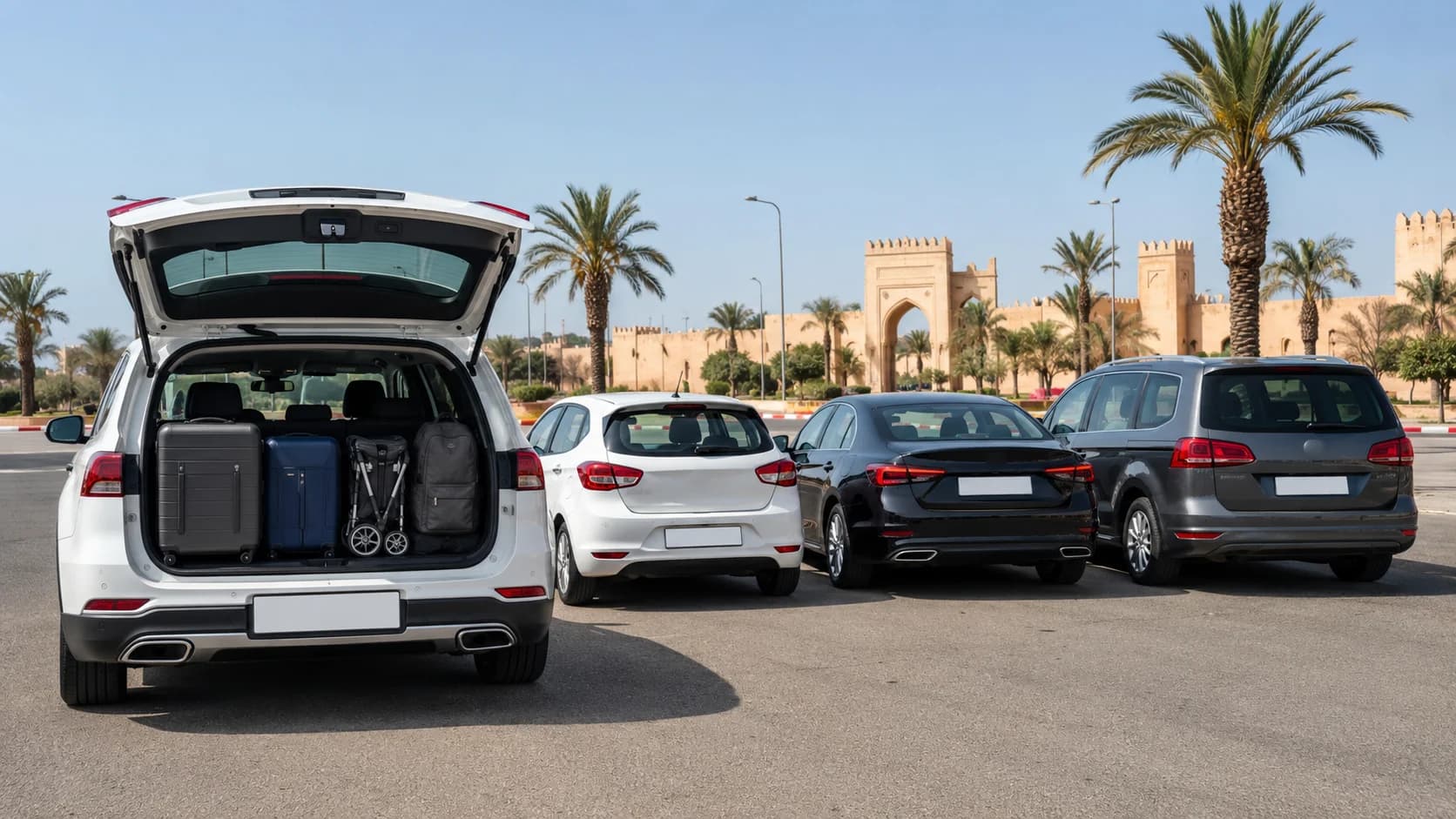
For the fast motorway route, a sedan is the best balance for most travelers. It is comfortable, stable, fuel-efficient and easier to park than a large SUV once you reach Marrakech. Choose a sedan if you are two to four passengers with normal luggage and you plan to stay on the main roads.
For the scenic Middle Atlas route, an SUV is more comfortable. You may not need off-road ability, but the higher seating position, stronger luggage space and better ride comfort can make a big difference on long mixed-road days.
For the desert-style route, choose an SUV. You should also confirm the exact route, road restrictions and insurance conditions before leaving Fes. Not all rental cars are suitable for every rural road or rough access track.
A small economy car can do the fast route, but it is less comfortable for a full-day drive with luggage. It can work for budget travelers, but for this distance, comfort matters.
9. Fuel, tolls and rest stops
For the motorway route, plan toll cash or card access before leaving Fes. ADM’s published toll grid lists Class 1 tolls such as Fes to Sidi Allal El Bahraoui at 50 MAD, Casablanca to Rabat at 23 MAD, and Nouaceur to Marrakech Targa at 87 MAD. Because your exact entry, exit and bypass choices can change the total, a practical Class 1 budget for the fast Fes to Marrakech motorway route is usually around 160 to 190 MAD in tolls. Check the current ADM toll grid before driving, especially if you choose a different Marrakech exit.
Fuel cost depends on the car category, engine type, driving style and route. A sedan will usually be more efficient than a large SUV. The scenic route may use more fuel because of slower roads, curves, elevation changes and extra stops.
Rest stops are easy on the motorway route. Aim for a short break every two hours. On the scenic route, do not wait until the tank is low. Fill earlier, especially before longer rural sections. Keep water in the car and avoid starting the mountain route late in the afternoon.
10. Plan your Fes–Marrakech drive
The best way to plan the Fes Marrakech road trip is to decide your route before choosing the car.
Choose the fast motorway route if you want the easiest one-day transfer. Book a sedan, leave early, keep stops short and aim to reach Marrakech before evening traffic.
Choose the Middle Atlas route if you want the drive to become part of the trip. Book an SUV, start early and do not add too many stops. Ifrane, Azrou and Beni Mellal are enough for one day.
Choose the desert route if you want a real road trip and have more time. Do not force it into two days unless you already understand how long the driving will feel. Three days is much more comfortable.
Make the journey the highlight, not just the transfer. Book a comfortable sedan or SUV from MarHire Car Fes with unlimited kilometers on most rentals, clear insurance details and an easy one-way drop-off option in Marrakech.
FAQs
How far is Fes from Marrakech by car?
Fes to Marrakech is usually around 530 to 580 km by road, depending on the route, pickup point and final drop-off point in Marrakech. The motorway route is usually the most predictable.
How long does it take to drive from Fes to Marrakech?
Plan around 6.5 to 8.5 hours for the fast motorway route with normal breaks. The scenic Middle Atlas route can take around 8 to 10.5 hours, especially if you stop in Ifrane, Azrou and Beni Mellal.
Is it safe to drive from Fes to Marrakech?
Yes, it is generally safe if you choose the right route for your experience, drive during daylight, respect speed limits and avoid tired driving. The motorway is easier for first-time visitors, while the scenic route needs more attention.
What is the best route from Fes to Marrakech?
For most travelers, the best route is the motorway route via Meknes, Rabat, Casablanca and Marrakech. For scenery, the best route is through Ifrane, Azrou and Beni Mellal.
Should you drive Fes to Marrakech in one day or two?
One day is fine on the motorway if you start early. Two days is better for the scenic Middle Atlas route because it gives you time to stop without arriving tired in Marrakech.
What are the best stops between Fes and Marrakech?
On the fast route, consider Meknes or Rabat. On the scenic route, the best stops are Ifrane, Azrou and Beni Mellal. For a longer adventure, Midelt, Merzouga, Todra, Dades and Ouarzazate belong to the desert route.
Can you do a one-way rental from Fes to Marrakech?
Yes, one-way rental from Fes to Marrakech is possible with the right booking. Confirm the drop-off fee, return location, timing, insurance and mileage terms before starting the drive.
How much are tolls from Fes to Marrakech?
For a standard Class 1 car, a practical toll budget for the fast motorway route is around 160 to 190 MAD, depending on exact entry and exit points. ADM’s toll grid should be checked before travel because tolls depend on the sections used.
What is the best car for the Fes to Marrakech drive?
A sedan is best for the fast motorway route. An SUV is better for the scenic Middle Atlas route, family luggage, mountain comfort or longer road-trip plans.
Is the road from Fes to Marrakech good?
The motorway route is the easiest and most predictable. The scenic route has more varied road conditions, slower sections and mountain driving, but it is also more interesting if you have time.