








Car rental insurance Fes options can seem unnecessarily complicated, especially when different companies use terms such as full insurance, CDW, theft protection, excess and security deposit in different ways. A rental advertised as fully insured may still leave you responsible for part of the repair cost, while another offer may provide broader protection but require a large deposit.
Before collecting a car in Fes, you should know exactly what is covered, how much you could be required to pay after an incident and whether any money will be blocked on your bank card. This guide explains the main insurance terms so you can compare offers confidently and avoid unexpected charges at handover.
Most rental cars in Fes include basic insurance, but this does not always mean zero financial responsibility. Collision Damage Waiver usually limits the amount you can be charged for covered vehicle damage, while theft protection limits your responsibility if the car is stolen.
The maximum amount you remain responsible for is called the excess. A security deposit is separate and may be blocked to cover potential damage, fuel shortages, fines or contract violations.
Always ask for the exact excess, deposit amount, exclusions and accident-reporting procedure in writing before booking.
Why Insurance Confuses Travelers
Insurance language is one of the least consistent parts of renting a vehicle. Two Fes rental companies may both advertise full insurance while providing different levels of protection.
For one provider, full insurance might mean that collision damage and theft protection are included, but the renter must still pay an excess. For another, it could mean that the excess has been reduced. A premium package may reduce the excess to zero, although exclusions can still apply.
The confusion often comes from mixing several separate concepts:
-
Insurance covering damage to other people or property
-
Protection for damage to the rental vehicle
-
Theft protection
-
The excess payable by the renter
-
A refundable security deposit
-
Optional cover for glass, tyres or roadside assistance
Rather than relying only on the phrase “fully insured,” request a written explanation of what the policy includes.
The most useful question is not simply, “Does the rental include insurance?” Ask, “What is the maximum amount I could personally pay after a covered accident?”
What Full Insurance Covers
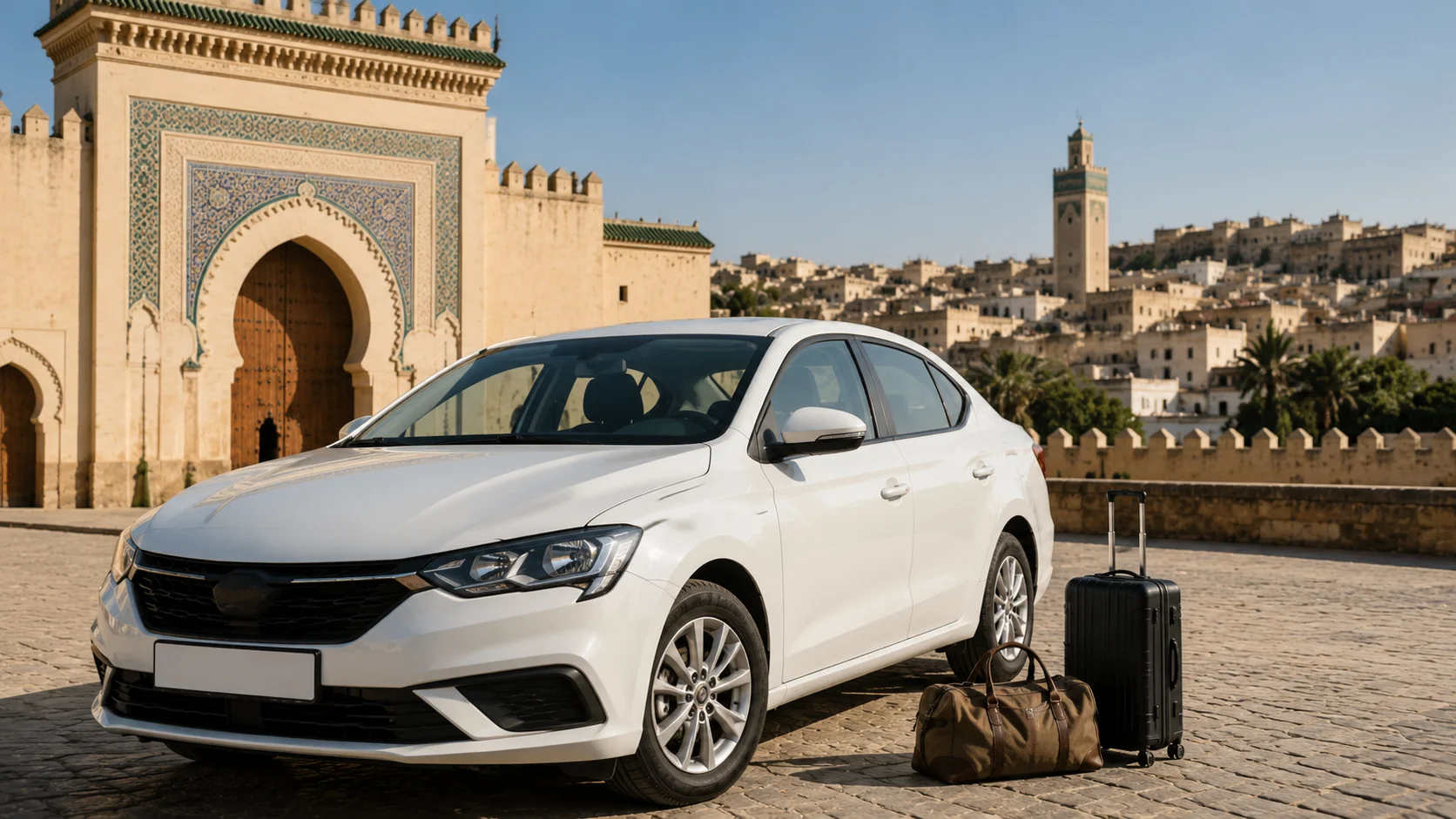
Full insurance car rental Morocco packages are designed to reduce the renter’s financial exposure, but there is no universal package used by every provider.
A typical full-cover rental may include third-party liability, collision protection and theft protection. Depending on the agreement, it might also include cover for fire, vandalism or certain types of accidental damage.
Third-party liability generally covers damage or injury caused to another person, vehicle or property. It does not automatically pay for damage to the rental car itself.
Collision protection applies to covered damage to the rental vehicle. However, you may still be responsible for an excess unless your agreement specifically states that the excess is zero.
For example, imagine a rental car receives covered bodywork damage costing 20,000 MAD. If the agreement has a 5,000 MAD excess, the renter may be responsible for up to 5,000 MAD while the remaining covered amount is handled under the rental company’s insurance arrangement.
Coverage normally depends on the renter following the contract. The protection may become invalid if the vehicle is driven by an unauthorized person, used outside permitted areas, driven dangerously or returned without the required accident paperwork.
CDW and Theft Protection Explained
What is CDW?
CDW stands for Collision Damage Waiver. Despite its name, it is generally a contractual waiver that limits how much the rental company can charge the renter for covered collision damage.
CDW Morocco agreements often include an excess. This means CDW reduces your potential liability but does not necessarily remove it.
Suppose your rental agreement includes CDW with an excess of 6,000 MAD:
-
Damage below 6,000 MAD may remain your responsibility.
-
Damage above 6,000 MAD may limit your responsibility to 6,000 MAD.
-
The limit only applies when the incident and damage are covered.
-
Contract violations or excluded damage could result in a higher charge.
The exact amount varies according to the company, vehicle category and coverage selected. Luxury cars, SUVs and larger vehicles may have different conditions from compact cars.
What is theft protection?
Theft protection limits your financial responsibility if the rental vehicle is stolen. Like CDW, it may include a separate excess.
The protection normally requires immediate notification of the rental company and local authorities. You may need to return the vehicle keys and provide official documentation. Leaving the keys inside an unattended car or failing to follow the reporting procedure could affect the claim.
Theft cover rental Morocco terms can also distinguish between theft of the entire vehicle and theft of personal belongings. Luggage, phones, cameras and other items left inside the car are not normally covered by the vehicle’s rental insurance.
What Excess Actually Means
The rental excess, sometimes called the deductible or franchise, is the maximum amount you may have to pay toward a covered claim.
It is not necessarily the amount you will always be charged. If covered repairs cost less than the excess, you may be charged only the repair cost. If the repairs cost more, your responsibility may be capped at the agreed excess.
For example:
-
Repair cost: 2,000 MAD
-
Excess: 5,000 MAD
-
Possible renter responsibility: up to 2,000 MAD
In another example:
-
Repair cost: 15,000 MAD
-
Excess: 5,000 MAD
-
Possible renter responsibility: up to 5,000 MAD
These examples assume the damage is covered and all rental conditions have been followed.
A no-excess car rental Fes agreement means the renter’s excess for covered damage has been reduced to zero. However, zero excess does not automatically mean every possible type of damage is included.
Even zero-excess policies can exclude tyres, wheels, glass, the underside of the car, lost keys, incorrect fuel, interior damage or unauthorized driving. Read the exclusions before relying on the headline offer.
Glass Cover and Exclusions
Glass is one of the most important details to check because windscreens, mirrors and lights are not always included in standard CDW.
A small stone can damage a windscreen during a motorway or mountain journey. If glass is excluded, the renter may have to pay for the repair even when the main bodywork is protected.
Ask whether the agreement includes:
-
Windscreen damage
-
Side and rear windows
-
Mirrors
-
Headlights and rear lights
-
Tyres and wheels
-
Damage underneath the vehicle
-
Roof damage
-
Interior stains or tears
-
Lost or damaged keys
-
Towing and roadside assistance
Common exclusions can also include damage caused by driving on unauthorized roads, carrying more passengers than permitted, using the wrong fuel or allowing an unregistered driver to use the vehicle.
Negligence and illegal driving are usually excluded. This can include reckless driving, driving under the influence, deliberate damage or continuing to drive after a warning light appears.
The rental agreement remains more important than general descriptions on an advertisement. Read the actual conditions applying to your booking.
How Deposits Relate to Insurance
The security deposit and insurance excess are related, but they are not the same thing.
The excess is the amount you may be responsible for after a covered claim. The deposit is an amount held or preauthorized to protect the rental company against possible charges.
A deposit may be used for:
-
Vehicle damage
-
Missing fuel
-
Traffic fines
-
Late return
-
Lost keys or documents
-
Additional cleaning
-
Contract violations
Some companies set the deposit at the same amount as the insurance excess. Others use a different amount. A rental can include broad insurance while still requiring a large deposit.
A credit card preauthorization is not usually a completed payment, but it reduces the available spending limit on the card. This can be inconvenient for travelers who need the same card for hotels, restaurants or other parts of their trip.
Before booking, ask:
-
How much is the deposit?
-
Is it charged or only preauthorized?
-
Which cards are accepted?
-
When is the hold released?
-
Can deductions be made without supporting documents?
Do not assume that buying extra coverage automatically removes the deposit. The booking confirmation should clearly state whether a deposit remains required.
Why No Deposit Changes the Equation
A no-deposit rental removes one of the main financial concerns associated with hiring a car. Instead of having a large amount blocked on your card, you can keep access to your available funds during the trip.
However, no deposit and no excess are not interchangeable.
A no-deposit rental means no security amount is held at collection. You could still have an agreed excess if covered damage occurs. A no-excess rental means the renter’s liability for covered damage is reduced to zero, but the company could still request a deposit for fuel, fines or excluded incidents.
The clearest arrangement explains both conditions separately:
-
Deposit required: yes or no
-
Insurance excess: exact amount
-
Included protection: clearly listed
-
Exclusions: clearly listed
Travelers who want to avoid a blocked credit limit can compare no deposit car rental Fes options before selecting a vehicle.
The benefit is not only financial. Clear no-deposit terms can also make airport or hotel handover faster because there is less paperwork and no need to arrange a large card preauthorization.
What to Check Before You Book
The best time to understand the insurance is before paying or providing card details.
Ask the provider to confirm these points in writing:
The exact excess
Do not accept answers such as “low excess” or “good coverage.” Request the amount in Moroccan dirhams for the exact vehicle category.
The deposit amount
Confirm whether the deposit is zero, paid, preauthorized or collected in cash. Ask how and when it will be returned.
Included types of damage
Check collision, theft, fire, vandalism, windscreen, tyres, wheels, mirrors, lights, roof and underbody protection.
Authorized drivers
Every person who may drive should normally be listed in the agreement. Insurance might not apply when an unregistered driver is behind the wheel.
Permitted roads and destinations
Ask whether the car can be used on mountain routes, unpaved roads or long intercity journeys. Some agreements restrict particular routes or types of terrain.
Accident documentation
Ask whether the company requires a constat amiable, police report, gendarmerie report, photographs or another document after an incident.
Roadside support
Save the provider’s phone or WhatsApp number before leaving Fes. Confirm what to do after a breakdown, puncture, warning light or accident.
When comparing car rental Fes airport offers, compare the complete insurance conditions rather than only the daily price.
A cheap rate with a high excess, large deposit and limited protection may cost more overall than a transparent package with broader cover.
Making a Claim on the Road
After an accident or damage, prioritize safety. Stop in a safe place when possible, check whether anyone needs assistance and contact the appropriate emergency services when necessary.
Then contact the rental company immediately. Do not arrange repairs, towing or replacement parts without authorization unless there is an urgent safety reason.
You should generally:
-
Photograph the vehicles, damage and surrounding area.
-
Record the time and exact location.
-
Collect the other driver’s details when another vehicle is involved.
-
Obtain witness information when available.
-
Follow the rental company’s accident-reporting instructions.
-
Complete the required accident form or obtain an official report.
-
Keep copies or clear photographs of every document.
-
Avoid admitting liability before the circumstances are reviewed.
Rental insurance claims often depend on correct documentation. Some agreements require a completed constat amiable or official police or gendarmerie paperwork. Requirements vary according to the incident and the rental contract, so call the provider for instructions immediately rather than guessing.
For theft, contact both the rental company and the authorities as soon as possible. Keep the keys and rental documents secure and request copies or reference numbers for any official report.
Never leave the vehicle without informing the rental provider when it is unsafe to drive.
Drive Fully Covered
Understanding car rental insurance does not require memorizing every technical term. You mainly need clear answers to four questions:
-
What damage is covered?
-
What is excluded?
-
What is the maximum excess?
-
Is a deposit required?
Choose a provider that answers these questions before handover and records the terms in your booking confirmation.
Inspect the car at collection and take photographs or a video of the bodywork, glass, wheels, roof and interior. Make sure existing marks appear on the vehicle condition report.
Select a vehicle suitable for your journey. A comfortable sedan rental Fes can be practical for airport pickups, city travel and paved intercity routes, but the insurance conditions should still match your plans.
No nasty surprises at handover. Every MarHire Car Fes rental includes full insurance with a clearly stated excess, and standard cars come with no deposit at all.
Frequently Asked Questions
Is insurance included with car rental in Fes?
Most legitimate car rentals include basic insurance, but the level of protection varies. Ask whether collision damage, theft protection and third-party liability are included and request the exact excess.
What does full insurance cover in Morocco?
Full insurance may include collision damage, theft and third-party liability. However, the phrase does not have one universal meaning. Glass, tyres, wheels, underbody damage and other items may be excluded.
What is the excess on a rental car?
The excess is the amount you may have to pay toward a covered claim. If your excess is 5,000 MAD, your responsibility for covered damage may be limited to that amount, provided you followed the rental conditions.
Is glass covered on a Fes rental?
Not always. Windscreens, windows, mirrors and lights may require additional protection. Ask for written confirmation before booking.
Is theft covered by rental insurance?
Many rentals include theft protection, usually with an excess. The renter must normally report the theft immediately, notify the rental company and provide the required official documents.
Do you still pay a deposit with full insurance?
Possibly. Full insurance and the security deposit are separate. A company may provide broad insurance while still blocking a deposit on your card.
What is no-excess car rental?
No-excess car rental reduces the renter’s liability for covered damage to zero. Exclusions and contract conditions may still apply.
What should you do after an accident in a rental?
Ensure everyone is safe, contact the rental provider, photograph the scene and follow the required reporting procedure. Obtain a constat amiable or official report when required by the contract or circumstances.
Does your credit card cover rental insurance in Morocco?
Some credit cards provide rental vehicle protection, but territorial restrictions, vehicle exclusions and reimbursement conditions may apply. Contact the card issuer before traveling and request written confirmation that Morocco is covered.
What is excluded from rental insurance?
Common exclusions may include tyres, wheels, glass, roof and underbody damage, lost keys, incorrect fuel, unauthorized drivers, prohibited roads, negligence and failure to provide required accident documentation.