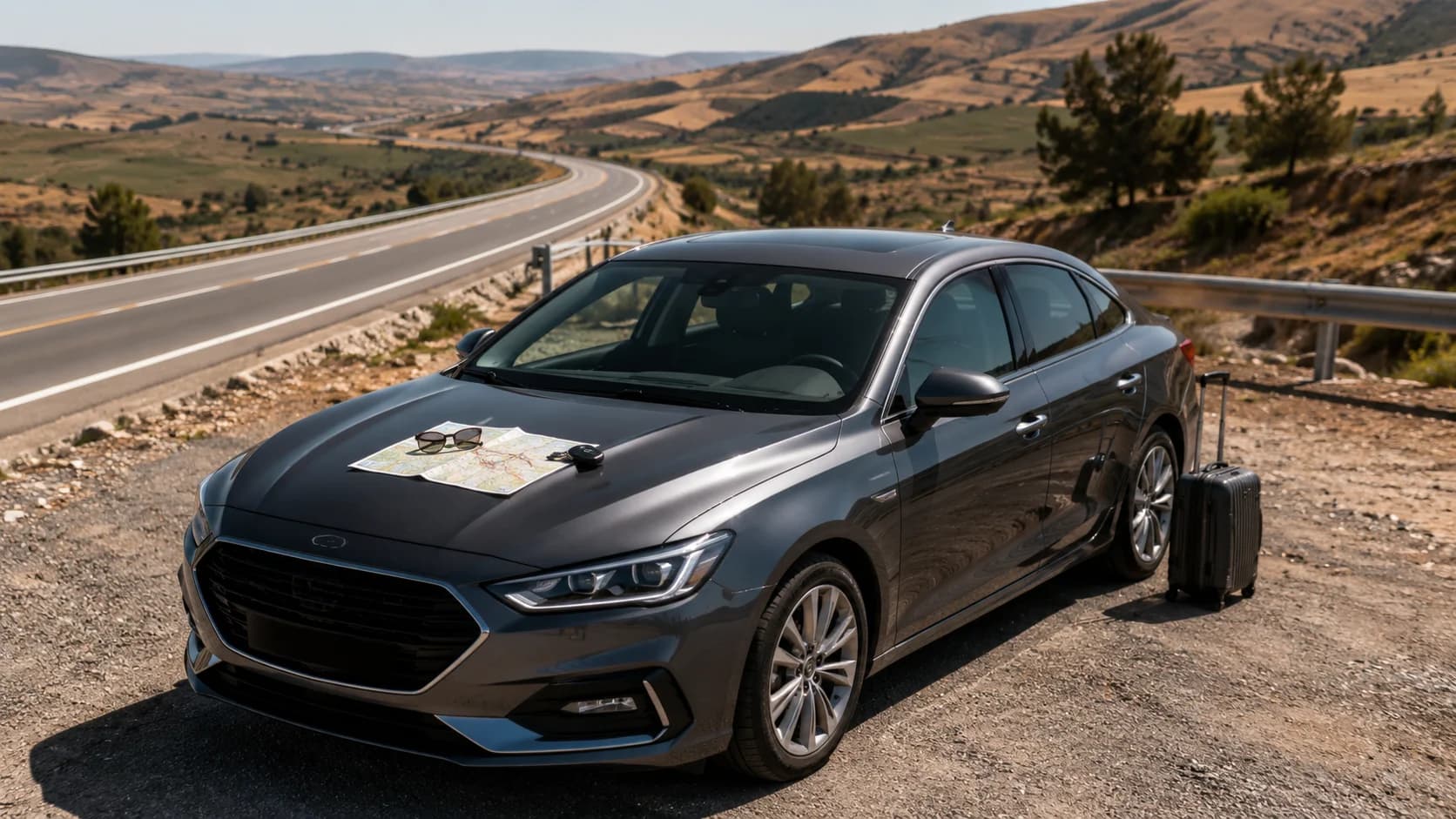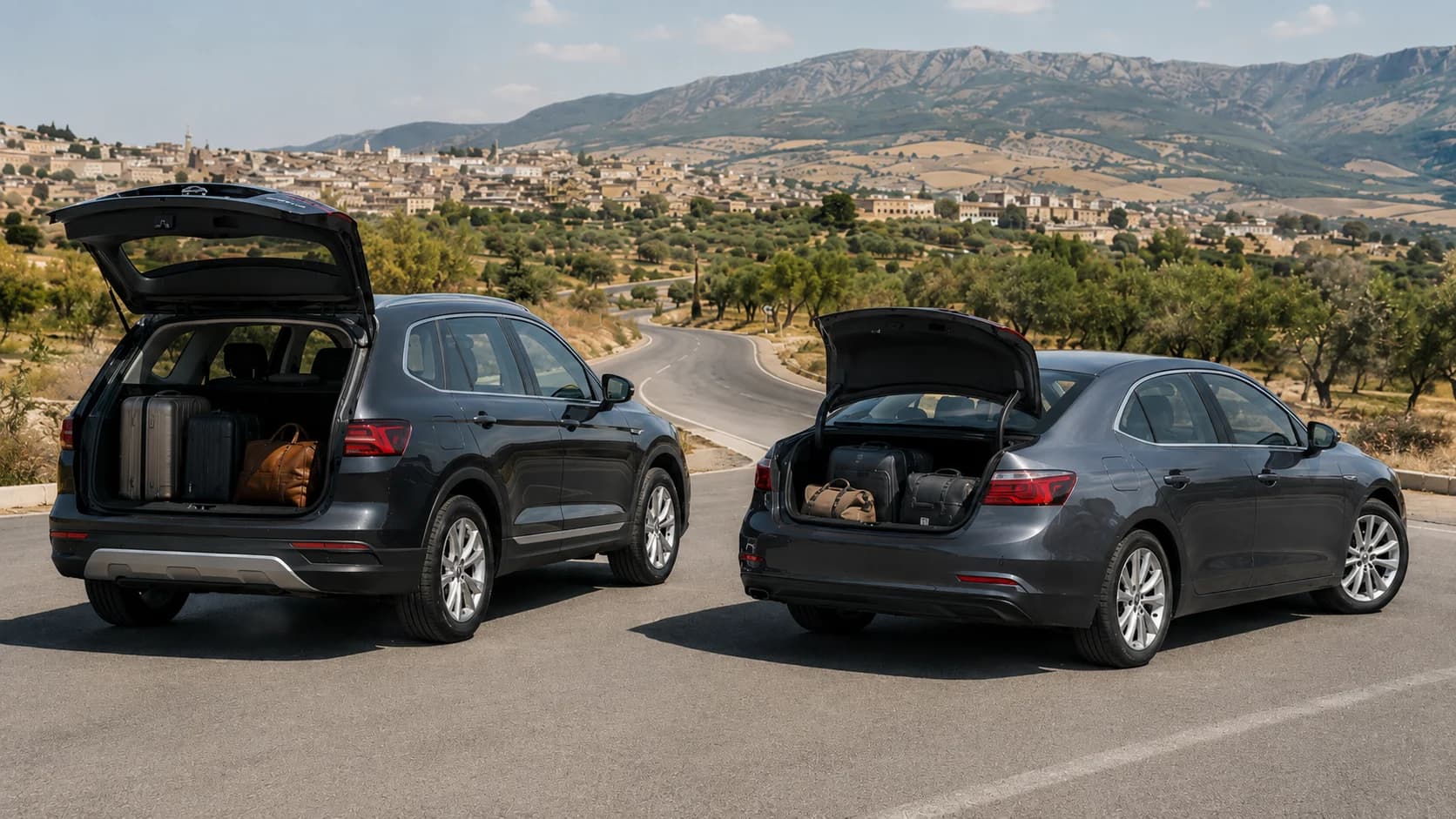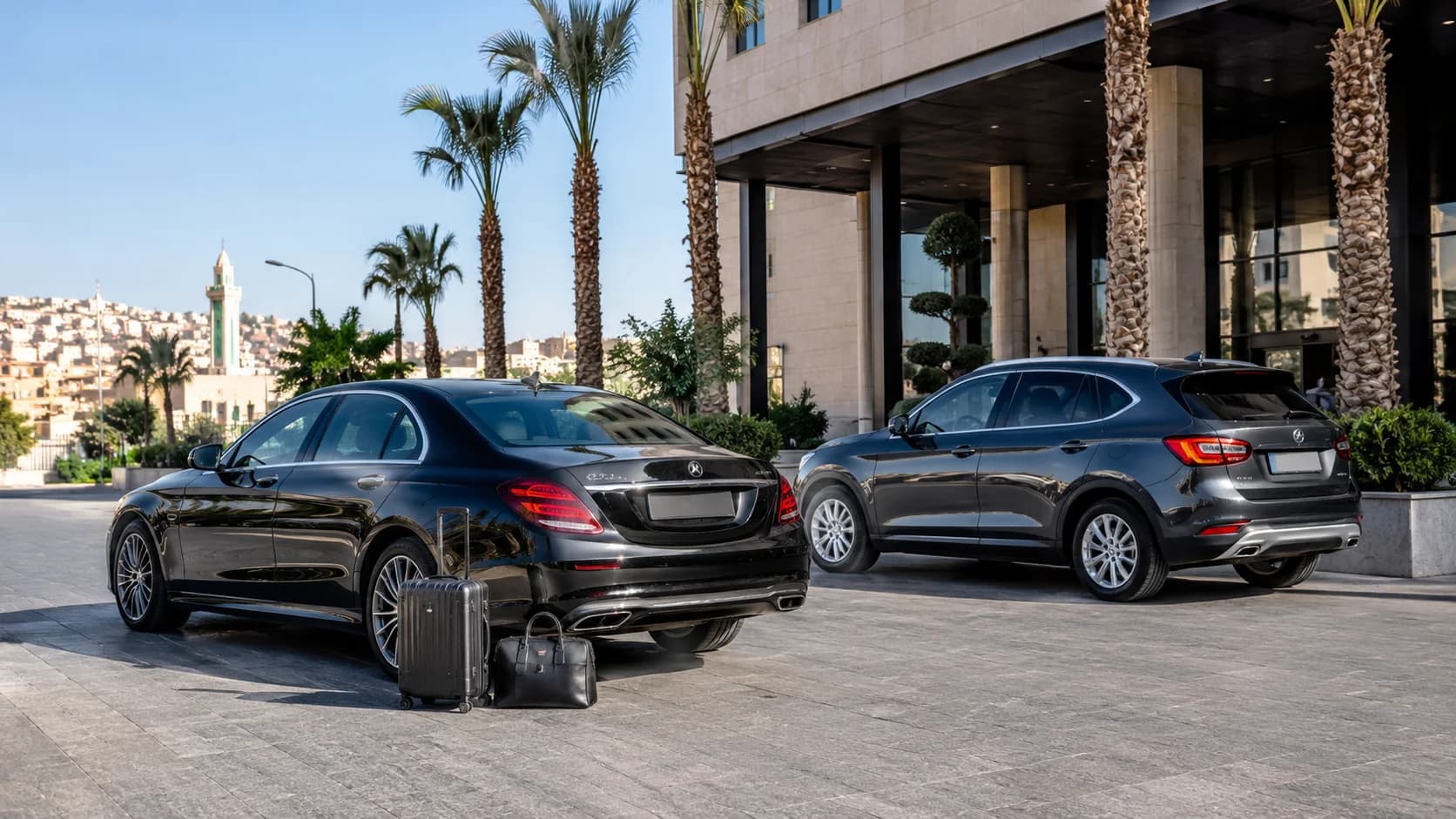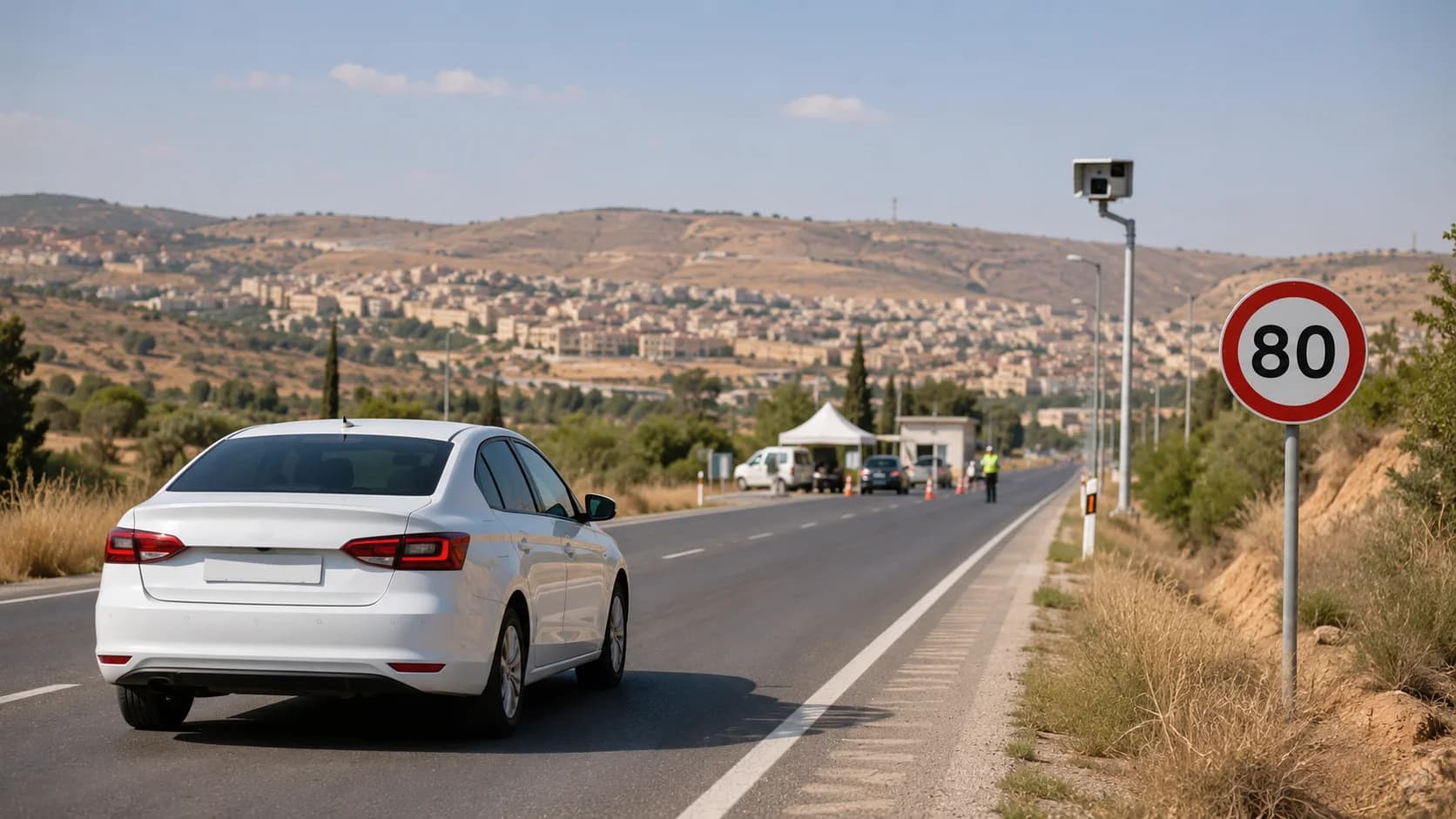









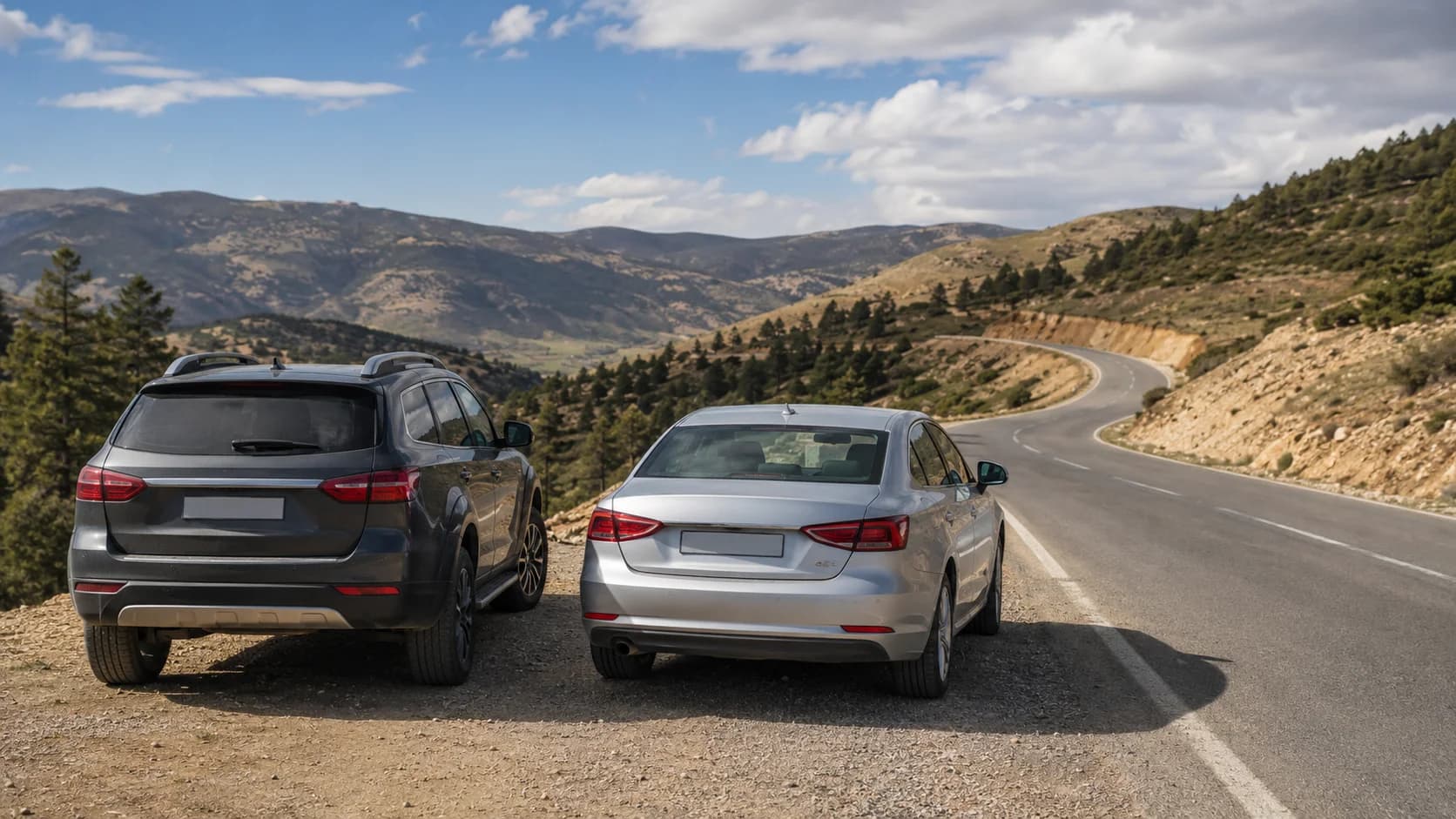
If you are planning a road trip from Fes, it is easy to assume that Morocco’s mountains, desert landscapes and rural roads automatically mean you need a 4x4. In reality, that is not the case for many visitors.
For most journeys between Fes and established tourist destinations on main paved roads, a normal sedan or SUV can be perfectly suitable. A proper 4x4 becomes more useful when your itinerary includes rough tracks, poorly surfaced rural access roads, significant winter conditions, high-clearance requirements or genuinely off-road sections.
So, do you need a 4x4 from Fes? Usually not for standard tourist routes, but possibly for more demanding terrain or seasonal conditions.
The best decision is not to choose the biggest vehicle available. It is to match the vehicle to the actual roads you intend to drive.
Table of Contents
- Do you need a 4x4 from Fes?
- Routes that usually suit standard cars
- When an SUV may be enough
- Situations where a 4x4 can help
- Road surface vs weather vs season
- Mountain-route considerations
- How to choose without overpaying
- 4x4 decision checklist
- FAQs
Do You Need a 4x4 From Fes?
For most conventional road trips starting in Fes, you do not need a 4x4 simply because you are travelling into the Middle Atlas or between Moroccan cities.
Morocco has an extensive national road network, and renting a car is a normal way for visitors to travel independently around the country. The Moroccan National Tourist Office specifically presents car rental as an option for exploring Morocco at your own pace.
If your itinerary mainly uses established paved roads, your decision is usually between:
-
a sedan for normal paved-road travel
-
an SUV for additional space, comfort and ground clearance
-
a 4x4 for genuinely difficult surfaces, rough access roads or more demanding conditions
The distinction matters because a 4x4 normally costs more to rent and often uses more fuel. Paying extra makes sense when you will actually use its capability.
Routes That Usually Suit Standard Cars
Many popular journeys from Fes connect established towns, cities and tourist destinations.
For these trips, the important question is not whether the landscape looks mountainous. It is whether your planned road is paved and in reasonable condition.
Fes to Ifrane
Ifrane is one of the most popular mountain destinations from Fes. The fact that it sits in the Middle Atlas does not automatically make the journey a 4x4 route.
Under normal weather conditions and while using the main paved approach, a standard rental car can generally be a sensible choice.
A sedan is particularly suitable when:
-
the weather is stable
-
you remain on main roads
-
you are travelling with normal luggage
-
you do not intend to explore unpaved forest or mountain tracks
Winter is the important exception. Snow, ice or temporary local restrictions can change the suitability of a route very quickly.
Fes to Azrou
Azrou is another common Middle Atlas destination.
Again, travelling into the mountains does not mean four-wheel drive is automatically required. If your route follows established paved roads and conditions are normal, a sedan or ordinary SUV can usually provide the capability most tourists need.
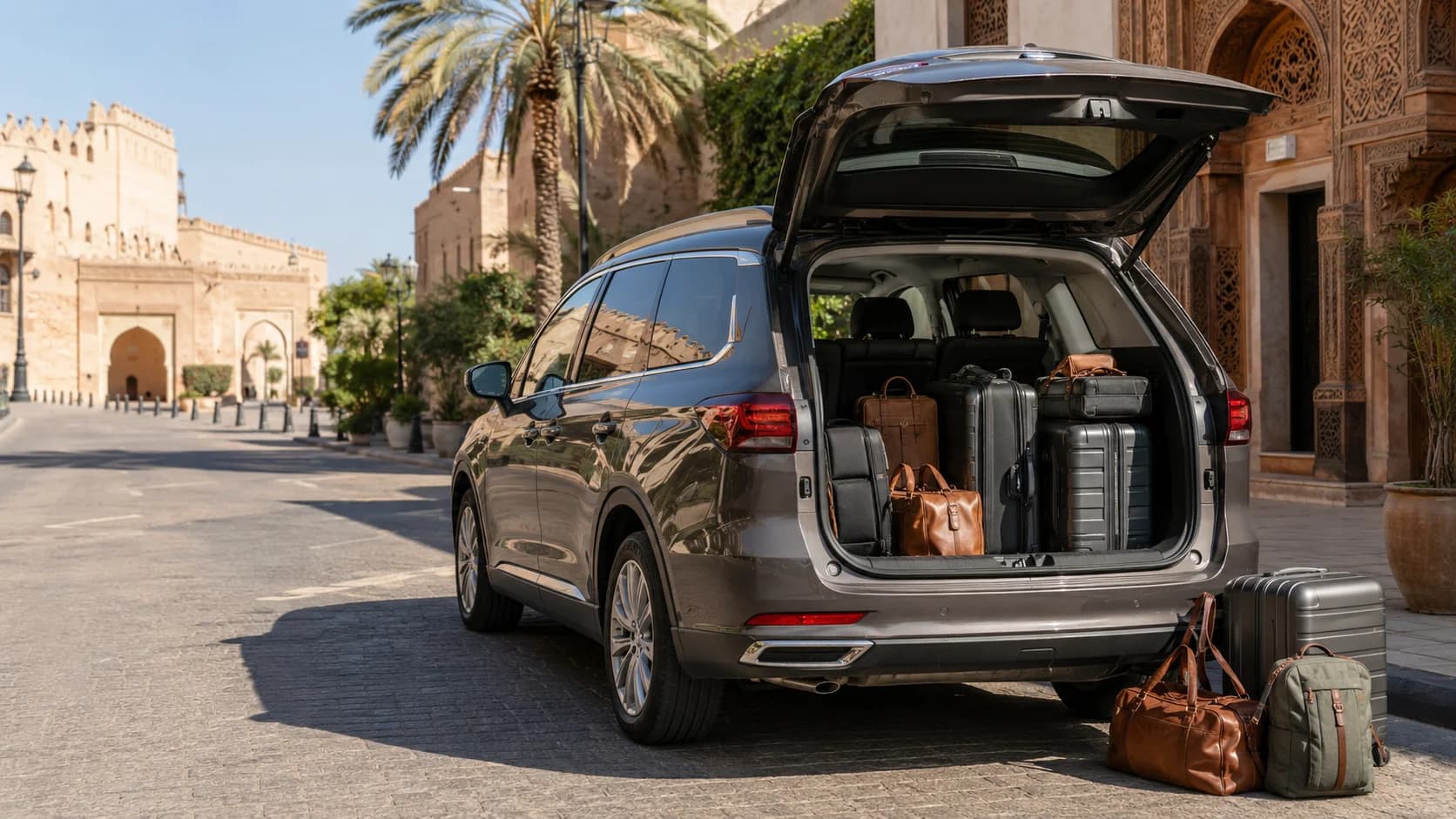
An SUV may nevertheless be attractive for families or travellers carrying more luggage because of its higher driving position, cargo capacity and additional ground clearance.
Fes to Meknes
A 4x4 would normally be unnecessary for a conventional Fes-to-Meknes road trip.
If your itinerary is mainly city-to-city travel, paying for off-road capability offers little practical benefit.
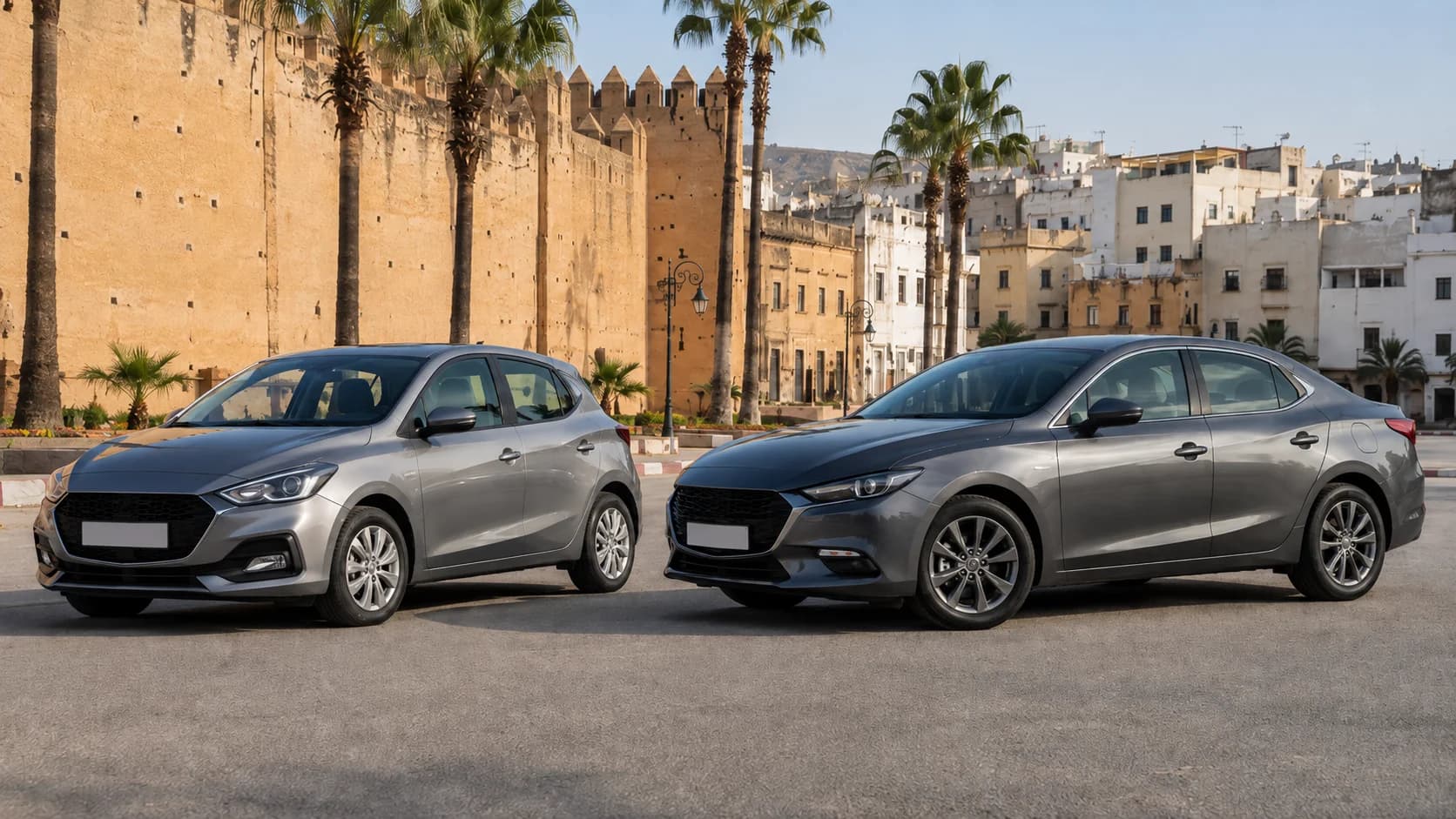
A comfortable sedan rental in Fes is often a more economical and efficient solution.
Longer Main-Road Trips
The same principle applies when travelling from Fes toward other established destinations.
Do not make the vehicle decision based only on distance. A 500-kilometre journey on normal paved roads may require less special capability than a short 20-kilometre excursion involving broken surfaces, deep ruts or an unmaintained track.
Distance does not determine whether you need a 4x4. Road conditions do.
When an SUV May Be Enough
One of the biggest mistakes when comparing rental vehicles is treating an SUV and a 4x4 as the same thing.
They are not necessarily the same.
An SUV describes the general vehicle format. Some SUVs have two-wheel drive, while others have all-wheel drive or four-wheel-drive systems.
A true 4x4 is designed to provide additional traction and capability when surfaces become significantly more demanding.
For many Morocco road trips, however, what travellers actually want is not four-wheel-drive traction. They want:
-
more ground clearance
-
additional luggage space
-
easier entry and exit
-
a higher seating position
-
greater comfort on imperfect roads
In those situations, an SUV rental in Fes may provide the practical benefits you need without paying for a more specialised vehicle.
SUV vs 4x4 From Fes
| Situation | Sedan | SUV | 4x4 |
|---|---|---|---|
| Fes city driving | Excellent | Good | Usually unnecessary |
| Main-road trip to Meknes | Excellent | Good | Usually unnecessary |
| Normal paved road to Ifrane | Suitable | Very suitable | Usually unnecessary |
| Normal paved road to Azrou | Suitable | Very suitable | Usually unnecessary |
| Large family with luggage | Possible | Excellent | Good |
| Uneven rural access road | Depends | Often better | Useful if genuinely rough |
| Deep mud, difficult track or demanding terrain | Poor choice | Depends on vehicle | Best choice |
| Significant winter conditions | Conditions matter | Conditions matter | May help, but not a guarantee |
Four-wheel drive can improve traction, but it cannot make unsafe conditions safe. Tyres, driver experience, visibility, weather, road closures and local advice remain important.
Situations Where a 4x4 Can Help
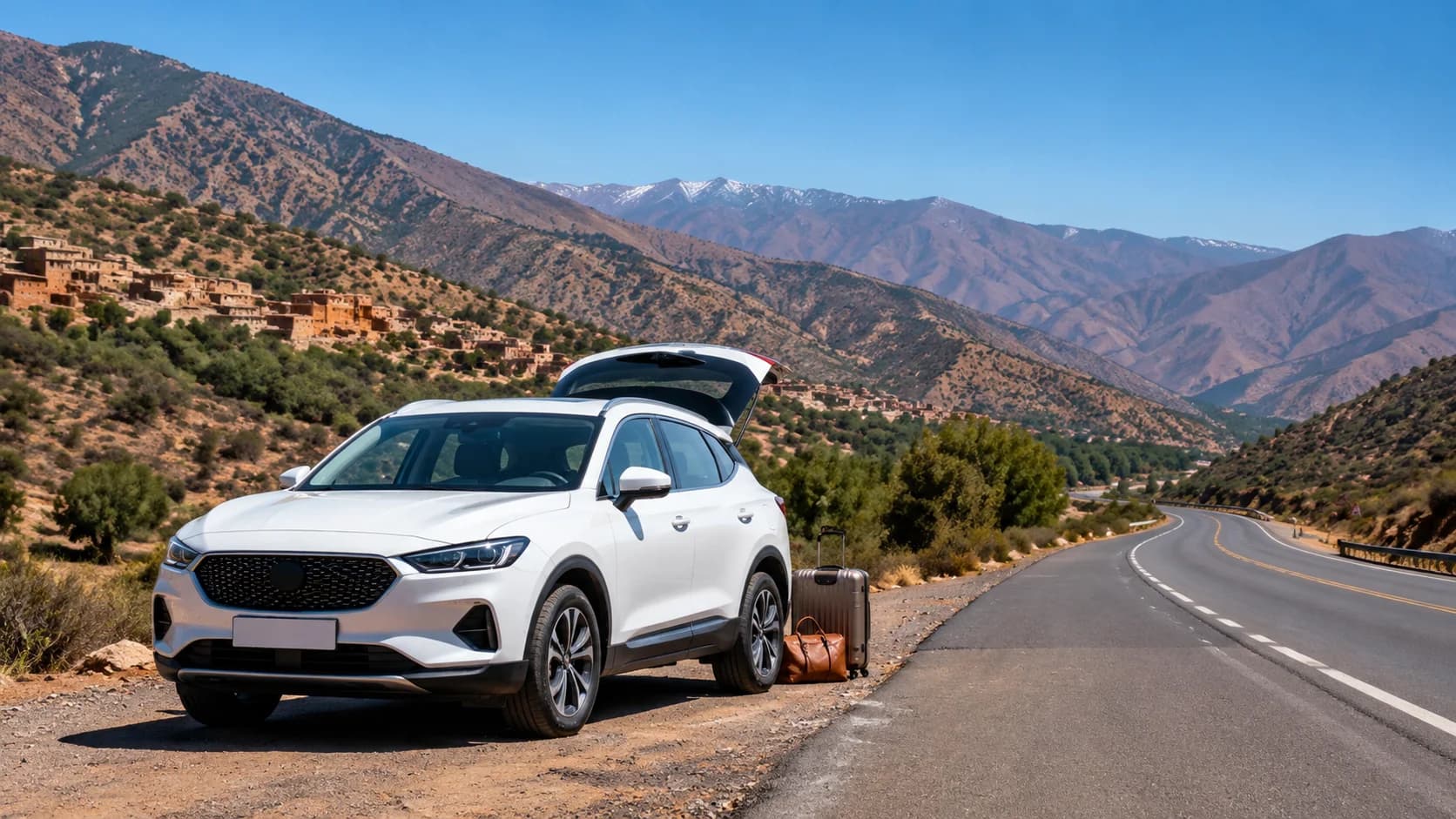
A proper 4x4 rental in Fes becomes easier to justify when your itinerary goes beyond conventional paved-road tourism.
Rough Rural Tracks
Some accommodation, camps, trailheads, farms or remote attractions may involve access roads that are much less developed than the main highway leading toward them.
This is where ground clearance and four-wheel-drive traction can become valuable.
A destination might be easy to reach for 95% of the journey but difficult during the final few kilometres.
Always investigate that final section before choosing the vehicle.
Repeated Unpaved Driving
Driving a few hundred metres along a firm gravel entrance is very different from planning several days of travel on rough unsurfaced roads.
If unpaved driving is a meaningful part of the itinerary rather than an occasional access road, a 4x4 becomes much easier to justify.
Muddy Conditions
Rain can dramatically change an unsealed road.
A hard, dry track that seems manageable in one season may become muddy, deeply rutted or slippery after heavy rain.
In these situations, both traction and ground clearance become important.
Remote Mountain Access
Some remote mountain areas may involve narrow roads, deteriorated surfaces or local tracks beyond the main tourist corridors.
If your accommodation or activity provider specifically recommends high clearance or four-wheel drive, take that recommendation seriously.
Ask exactly why it is recommended.
There is a significant difference between:
“An SUV is more comfortable.”
and:
“The final road cannot reliably be driven with a low sedan.”
That distinction should determine how much vehicle capability you pay for.
Road Surface vs Weather vs Season
One of the most useful ways to choose a rental vehicle in Morocco is to separate three different risks.
1. Road Surface
Ask:
Is the road paved, gravel, broken pavement or an actual track?
A standard car may handle imperfect pavement perfectly well while being unsuitable for a heavily rutted track.
2. Weather
Ask:
What happens to that road when it rains or snows?
Weather may matter more than the vehicle category.
A dry rural road in October can behave very differently after prolonged winter rainfall.
3. Season
Ask:
Does the route cross an area affected by snow, ice, flooding or seasonal deterioration?
This is particularly relevant for Middle Atlas travel.
The Moroccan National Tourist Office recommends the official Météo Maroc service for weather forecasts and alerts. Its useful-information resources also point travellers toward Autoroutes du Maroc for live motorway traffic events, roadworks and other journey information.
Check current conditions close to departure instead of choosing a vehicle months earlier based purely on assumptions.
Mountain Routes From Fes: What Actually Matters?
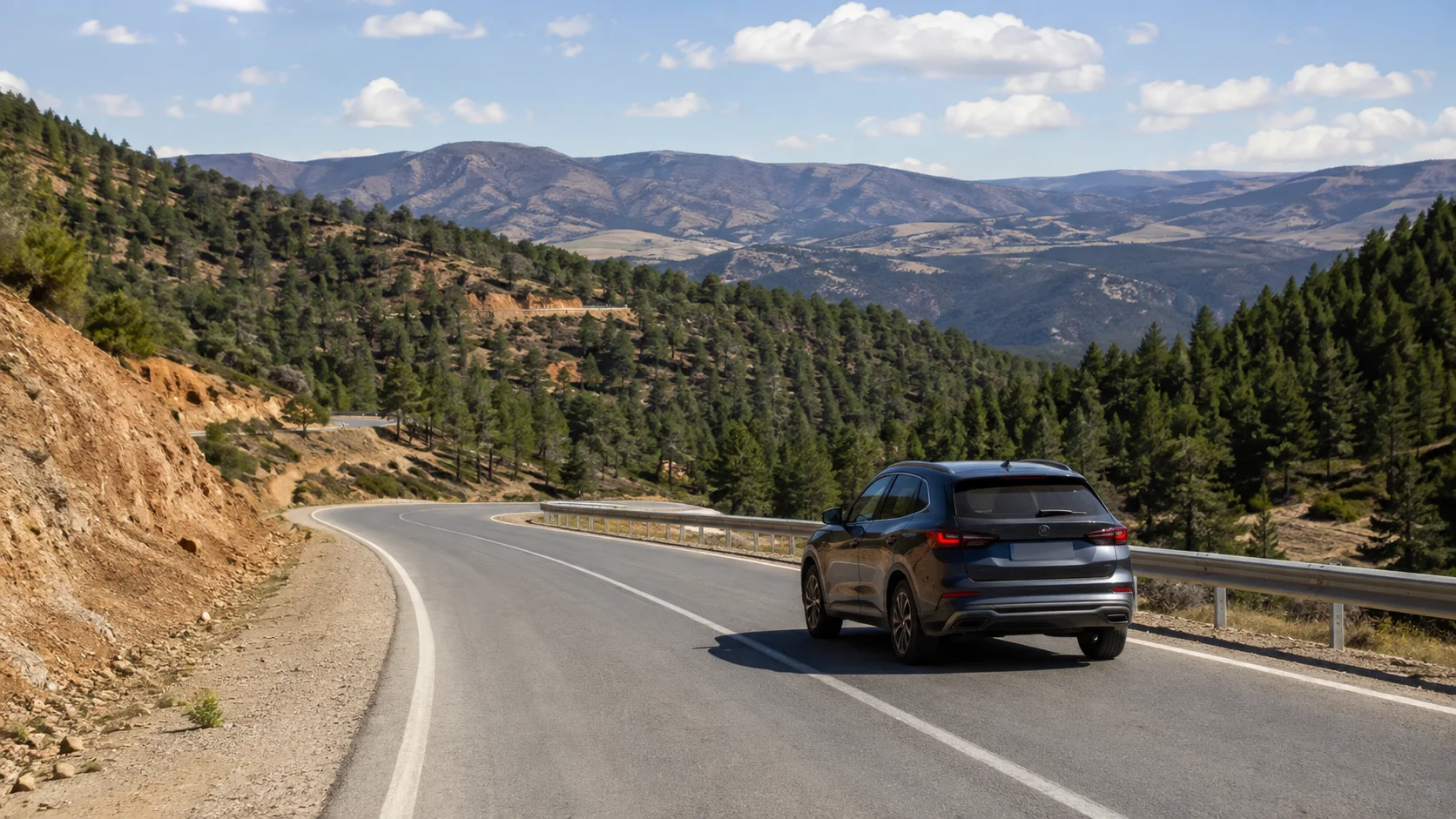
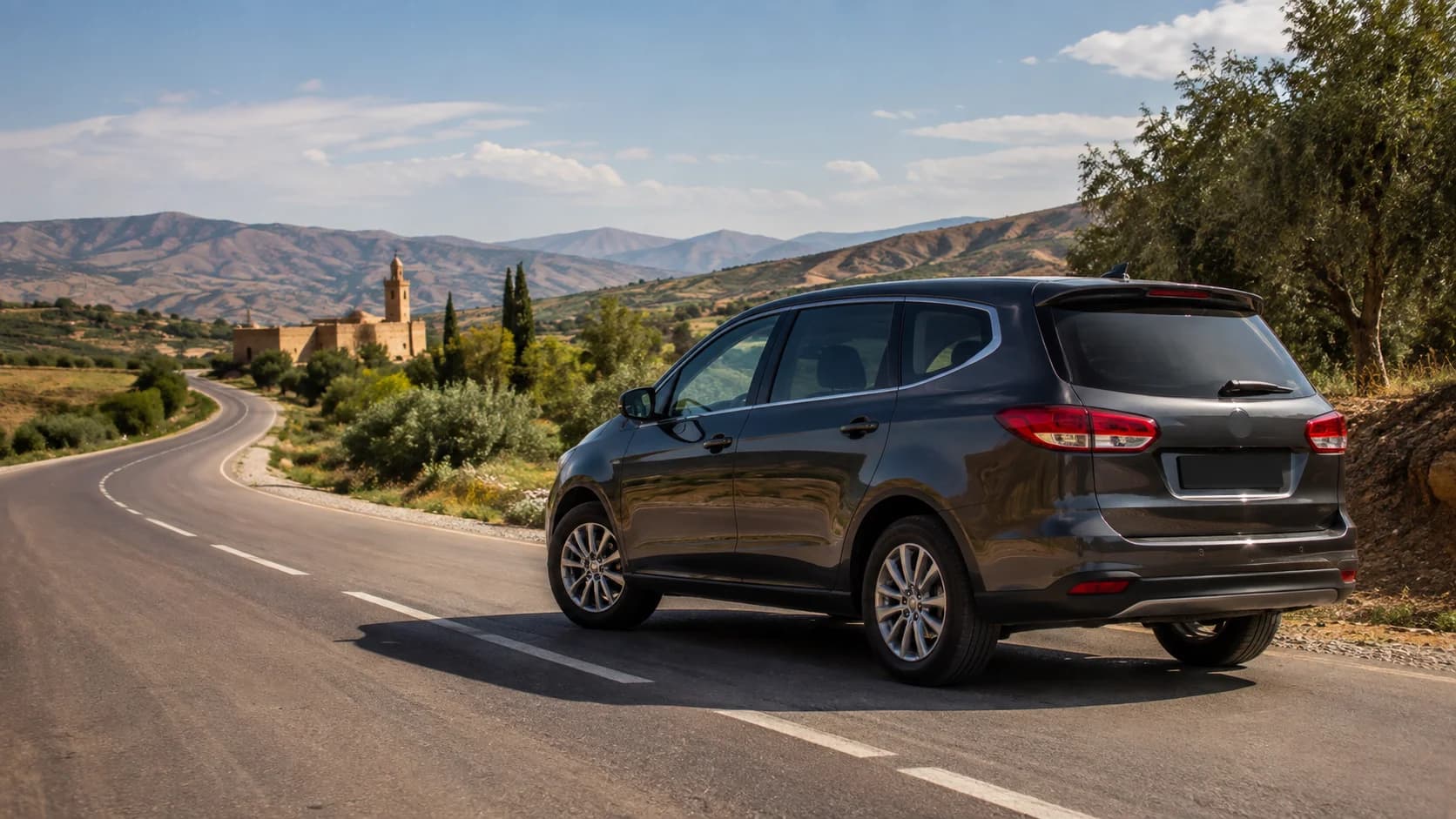
Mountain driving does not automatically equal off-road driving.
This is one of the most important ideas for travellers planning routes from Fes.
A paved mountain road can still include:
-
steep gradients
-
tight bends
-
slower vehicles
-
changing visibility
-
cold temperatures
-
occasional poor shoulders
-
snow or ice during winter
None of those conditions automatically requires four-wheel drive.
For normal mountain driving, good tyres, sensible speed, adequate braking distance and a vehicle in good mechanical condition are often more important than having a 4x4 badge.
Ground Clearance Can Matter Before Four-Wheel Drive
Travellers sometimes request a 4x4 when what they really need is additional clearance.
Suppose the road to your guesthouse is basically firm but includes:
-
potholes
-
raised stones
-
uneven edges
-
washed-out sections
In that situation, a higher SUV may be more useful than a low sedan even if four-wheel-drive traction is never required.
That is why vehicle selection should be based on the weakest part of your route rather than its most dramatic scenery.
Avoiding Unnecessary Upsizing
A larger vehicle is not automatically a better road-trip vehicle.
Choosing more capability than you need can mean:
-
a higher rental cost
-
increased fuel consumption
-
more difficulty parking
-
a larger turning circle
-
unnecessary bulk in cities
-
paying for a drivetrain you never use
If most of your holiday involves Fes, Meknes, Ifrane, Azrou and other established destinations reached by paved roads, an appropriately sized sedan or SUV is often the more rational choice.
For couples or small groups travelling light, browse sedan rental options in Fes.
For families, groups, additional luggage or travellers wanting more ground clearance, compare SUV rentals in Fes.
If your itinerary genuinely involves challenging access roads or difficult terrain, compare 4x4 rental options in Fes.
How to Choose Without Overpaying
Before reserving the largest vehicle available, answer these questions.
Where exactly are you going?
Do not simply say “the Atlas Mountains.”
Identify:
-
towns
-
accommodation
-
trailheads
-
camps
-
rural properties
-
day-trip destinations
Will you stay on paved roads?
If yes, a standard car may already meet your needs.
What is the final access road like?
This is especially important for remote hotels and rural accommodation.
Ask the property:
Can normal passenger cars reach you?
That question can save you from either renting an unnecessarily expensive vehicle or choosing one that cannot comfortably reach the property.
What month are you travelling?
A route that is straightforward in summer may require more planning in winter.
How many passengers and bags?
Sometimes an SUV is the right choice because of luggage rather than terrain.
Are you actually planning to drive off paved roads?
If yes, verify both road suitability and the rental agreement.
Do not assume that renting a 4x4 automatically gives permission to drive anywhere. Rental agreements may contain restrictions relating to off-road driving or particular types of terrain.
4x4 Decision Checklist
Use this simple framework before booking.
Choose a sedan when:
-
your route mainly follows normal paved roads
-
you are visiting established cities and towns
-
luggage requirements are moderate
-
weather conditions are expected to be normal
-
you want lower rental and fuel costs
Consider an SUV when:
-
you want extra ground clearance
-
you have several passengers
-
you are carrying substantial luggage
-
you expect imperfect but normally driveable roads
-
you prefer a higher seating position
Consider a true 4x4 when:
-
rough tracks form a genuine part of your itinerary
-
your destination specifically recommends four-wheel drive
-
the final access road is significantly deteriorated
-
mud or difficult loose surfaces are realistic possibilities
-
your route requires substantially more capability than an ordinary road car provides
Safety-First Recommendation
The safest vehicle is not automatically the vehicle with the most driven wheels.
Vehicle condition, tyres, weather, road surface, speed and driver judgment all matter.
If conditions deteriorate significantly, changing your route or postponing a difficult section can be safer than assuming four-wheel drive will solve the problem.
Before mountain travel, especially during winter or unsettled weather, check current forecasts and local road information. Morocco’s official tourism resources specifically direct travellers to Météo Maroc for forecasts and alerts.
FAQs
Do I need a 4x4 to drive from Fes?
Usually not. If you are travelling on established paved roads between Fes and major tourist destinations, a sedan or SUV is commonly sufficient. A 4x4 is more relevant for genuinely rough or remote access roads.
Do I need a 4x4 for Ifrane or Azrou?
Not simply because they are in the Middle Atlas. On normal paved routes and in suitable weather, standard vehicles can be appropriate. Winter weather may change driving conditions, so check forecasts before departure.
Is an SUV enough for the Middle Atlas?
For many normal tourist itineraries, yes. An SUV can provide useful ground clearance, luggage capacity and comfort without requiring a true off-road vehicle.
Can a sedan handle most Morocco roads?
A sedan can suit many major paved tourist routes. Vehicle choice should still reflect the specific itinerary, weather and any rural access roads you plan to use.
When is a 4x4 useful in Morocco?
It becomes particularly useful for demanding unpaved roads, rough rural access, muddy tracks, significant clearance requirements or routes specifically described as requiring four-wheel-drive capability.
Is a 4x4 necessary for mountain driving?
No. Mountain roads and off-road routes are not the same thing. Many mountain destinations are connected by paved roads.
Does winter weather change the best car choice?
Yes. Snow, ice, heavy rain and local road conditions can affect both the route and vehicle decision. Check current conditions close to your travel date.
Is a 4x4 more expensive to rent?
Generally, a larger or more specialised 4x4 can cost more than an economy car or sedan and may also consume more fuel. Compare the extra cost with the capability your itinerary actually requires.
What is the difference between an SUV and a 4x4?
SUV describes a type of vehicle body and configuration. Not every SUV has a true four-wheel-drive system. A 4x4 refers more specifically to a drivetrain capable of sending power to all four wheels.
How do I know what vehicle my route needs?
Send your complete route to the rental team, including rural accommodation and planned excursions. The final few kilometres are often more important than the main highway when deciding between a sedan, SUV and 4x4.
Final Answer: Choose the Route First, Then the Vehicle
So, do you need a 4x4 from Fes?
For a conventional itinerary based around established Moroccan roads, usually not.
A sedan can be an excellent option for paved city-to-city travel. An SUV adds useful luggage space, comfort and ground clearance. A true 4x4 makes the most sense when your itinerary genuinely includes terrain where additional traction and clearance are valuable.
Do not pay for capability simply because your trip includes mountains.
Instead, look at the actual road surface, season, weather, final accommodation access and planned activities.
Choose the Right Car With MarHire Car Fes
Do not pay for capability you will not use.
Tell MarHire Car Fes where you plan to drive, including your accommodation and any mountain or rural stops, and compare the most appropriate sedan, SUV or 4x4 rental in Fes based on the real route rather than assumptions.