
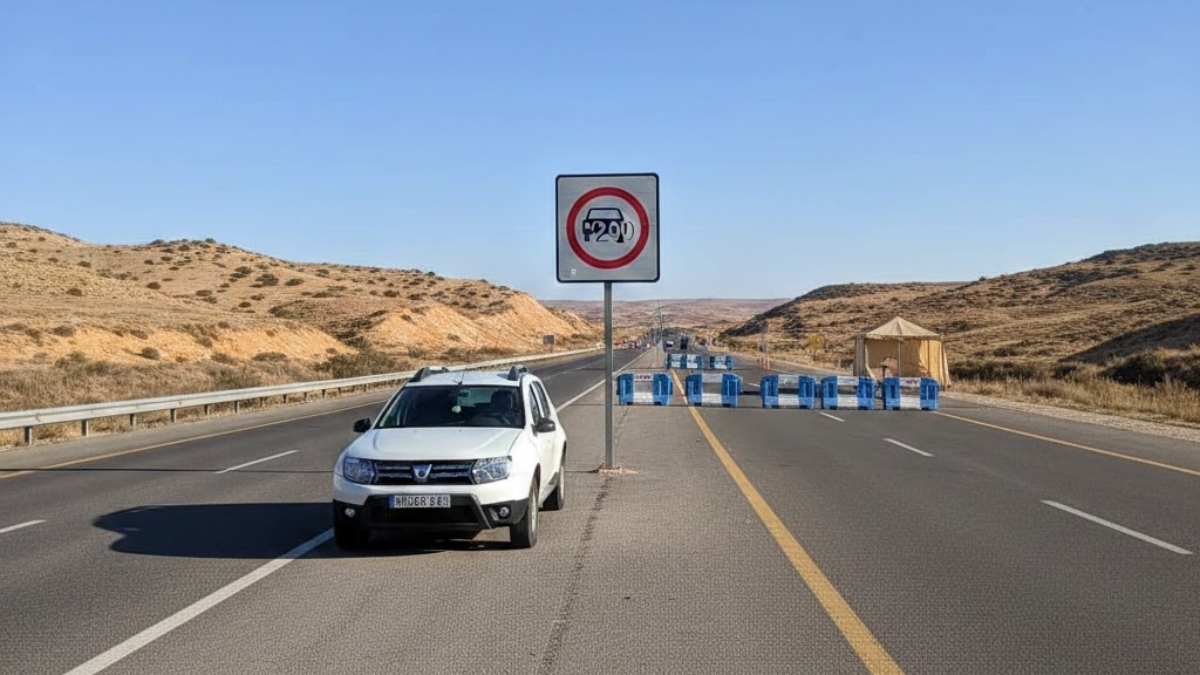
Driving in Morocco is usually straightforward once you understand the rhythm of the road, wide national highways, well-used roundabouts near cities, and frequent police or gendarmerie checks on major routes. What surprises many visitors isn’t the driving itself, but how fines are handled when you’re in a rental car.
If you’re touring from Marrakech to the coast, doing a Fes–Ifrane loop, or driving between Casablanca and Rabat, it helps to know what happens if you get stopped for speed, flashed by a fixed radar, or receive a parking ticket in a busy neighborhood. The good news: most situations are solvable quickly if you stay calm, pay correctly, and keep proof.
This guide explains the real process,what happens on the road, what happens later through the rental company, and how you can avoid surprise charges weeks after you fly home.
The two types of fines that matter most for tourists
1) “On-the-spot” fines (stops by police or gendarmerie)
These usually happen for:
speeding measured by handheld radar
illegal overtakes or unsafe maneuvers
missing documents
phone use while driving
In this situation, the officer speaks to the driver, not the rental company, because you’re physically there and responsible for the driving behavior.
2) “Plate-based” fines (fixed radar or later processing)
These often happen when:
a fixed speed camera records the vehicle
an infraction is logged and later attached to the license plate
the notice reaches the vehicle owner (often the rental company)
This is where tourists get confused, because you might not even know it happened until later.
Speed fines in Morocco: what usually happens in a rental car
A) If you’re stopped for speeding
Typical flow:
You’re signaled to pull over.
The officer asks for documents (license + rental papers).
You’re told the infraction and the fine amount.
In many cases, you pay and receive a receipt/proof of payment.
Tourist tip: keep your paperwork easy to reach (not buried in luggage). Morocco travel advice also recommends carrying your insurance/licence/registration documents while driving. https://www.gov.uk/foreign-travel-advice/morocco/safety-and-security
What NOT to do: argue on the roadside, get emotional, or try to “negotiate.” If you believe there’s a misunderstanding, stay respectful and ask for the official process and a receipt. (You don’t need to escalate it into a scene.)
B) If you’re flashed by a fixed speed camera
This is more “silent.” You may see a camera pole, you may see nothing, and you might not be stopped at all.
What happens next often looks like this:
The infraction is linked to the vehicle plate.
The notice becomes visible in the national infraction system.
The rental company may later receive a notice as the registered owner, then identify the renter for that time period.
Morocco has an official platform where infractions can be consulted and fines can be paid through approved channels (including via the Treasury portal). If you need the official payment pathways, this NARSA page lists them clearly. https://khadamatnarsa.ma/fr/services/infractions-routieres/paiement
Rental car reality: if the fine is processed after your trip, the rental company may:
charge the fine amount to your payment method on file, and/or
charge an administration fee for handling the paperwork (very common in rental contracts worldwide)
That’s why it’s smart to ask your rental provider at pickup:
“How do you handle radar fines and admin fees?”
“Do you notify me before charging?”
Parking tickets: how they’re handled with rental cars
Parking in Moroccan cities ranges from easy (mall parking, organized lots) to stressful (tight street parking in busy districts). Tickets and charges usually come from:
1) Improper parking (blocking, corners, bus lanes, “no stopping” zones)
This can lead to:
a ticket
towing in some locations
direct police involvement if you’re causing an obstruction
2) Paid street parking systems (varies by city/area)
In some areas, you pay via meters, kiosks, or attendants. Confusion happens when tourists:
don’t realize the street is a paid zone
don’t display proof correctly
assume “five minutes” won’t matter in a strict zone
3) “Parking guardians” (informal attendants)
In many neighborhoods you’ll see people guiding cars into curb spots and expecting a small tip. That’s not the same as an official ticket system, but it affects your experience. If you don’t want the stress, choose an organized lot/garage.
How parking fines reach a rental company
If an official ticket is issued and linked to the plate, the registered owner is the rental company.
Like speed-camera fines, the rental firm may charge you later and add an admin fee.
The most common surprise: charges after you return home
Tourists often assume: “If nobody stopped me, I’m fine.” Not always.
Here are the three common “later” scenarios:
Fixed radar fine appears days later and is processed after your rental ends.
Parking fine is logged to the plate and sent later.
Toll or zone-related charge (if applicable) appears in delayed processing.
Because the car is owned by the rental company, notices can arrive after you’ve returned the vehicle—so you may see a charge weeks later depending on processing times.
How to protect yourself
Keep your rental agreement copy.
Keep screenshots of your pickup/return times.
If you pay a fine on the spot, keep the receipt and photograph it.
What to do if you get fined while traveling
If you’re stopped in person
Stay calm, be polite, and follow instructions.
Ask for a receipt/proof of payment.
Tell your rental provider (WhatsApp is fine) so the event is documented.
If you suspect a fixed radar flash
Don’t panic.
Keep your driving consistent and legal (no sudden braking waves).
If you want peace of mind, check the official infraction payment pathways and follow the correct channels.
If you get a parking ticket
Take a photo of the ticket and where the car is parked.
Pay using the proper local process if available.
Inform the rental provider so they don’t get surprised later.
Smart habits that prevent 90% of tourist fines
Speed
Treat “open-looking” roads near towns as enforcement zones.
Slow down before village entrances and after roundabouts.
Don’t tailgate trucks (it tempts risky overtakes).
Parking
Avoid corners, bus stops, and narrow one-way streets.
Prefer garages/lots in dense districts.
If you’re unsure, park a bit farther and walk 5–10 minutes.
Documents
Keep your license and rental papers accessible (not in the trunk under bags).
Make sure only the named driver is driving, this matters if anything happens.
FAQs
Will a rental company charge me for a ticket in Morocco?
Yes, usually. Fines are normally the driver’s responsibility, and the rental company may also charge an admin fee for processing if the notice reaches them later.
Do I have to pay speeding fines on the spot?
Often, yes especially if you’re stopped by police/gendarmerie. Always ask for a receipt and keep it.
What if I’m flashed by a fixed speed camera?
Those fines are typically plate-based and may be processed later. They can show up after the trip, and the rental company may contact or charge you depending on contract terms.
Can parking tickets show up after my rental ends?
Yes. If the ticket is linked to the plate and processed later, the rental company may receive it after you’ve returned the car.
 Same prices and offers