
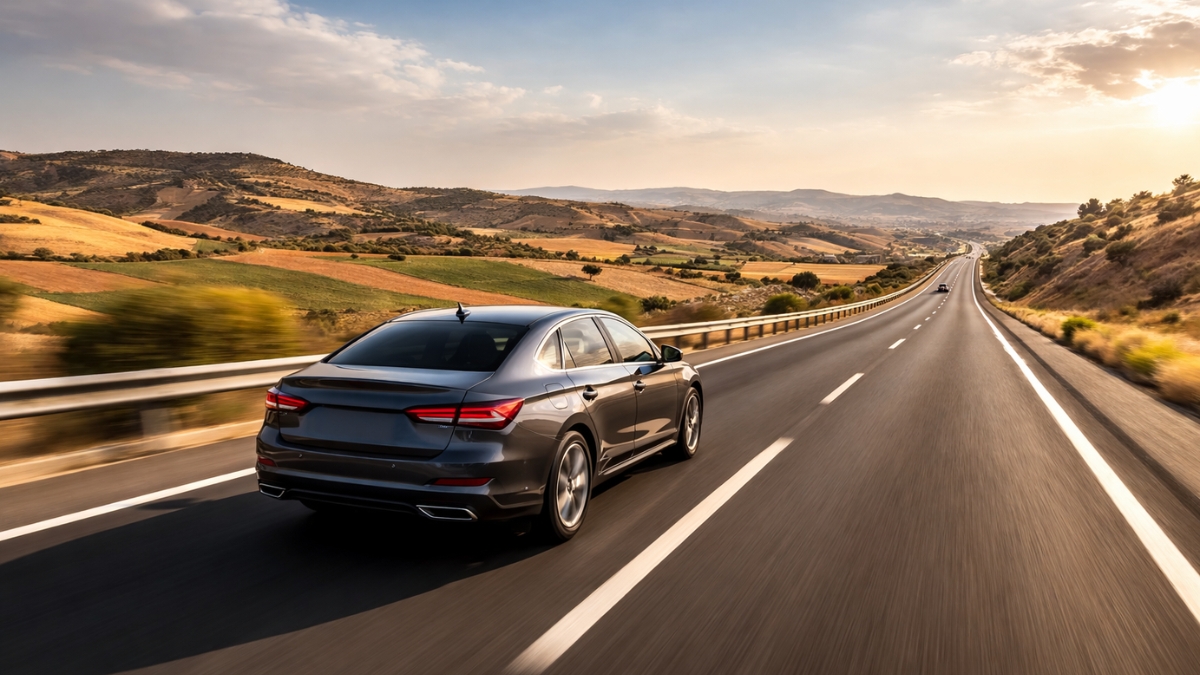
The drive from Fes to Tangier offers two main routes, each with its own advantages and challenges: the scenic Rif Mountains route and the quicker, more direct highway route. Whether you’re after breathtaking views, a more relaxed journey, or a faster trip to your destination, this comparison helps you decide which route suits your travel needs best.
Table of contents
Overview: Fes to Tangier driving options
The Rif Mountains route: Scenic and adventurous
The highway route: Fast and efficient
Comparing the two: Time, distance, and scenery
Which route is better for different travelers?
FAQs
1) Overview: Fes to Tangier driving options
The 330 km drive from Fes to Tangier can be done via two major routes:
Rif Mountains Route: A scenic and winding path through mountainous terrain and traditional villages.
Highway Route: The most straightforward option, via the A1 highway. This route offers a faster, more direct journey.
Each route caters to different preferences, whether you’re looking for scenic beauty or an efficient drive.
2) The Rif Mountains route: Scenic and adventurous
The Rif Mountains route (often referred to as the N13 or N2), is the more picturesque of the two options. This road takes you through Morocco’s rugged northern mountain range, offering some of the country’s most stunning natural scenery.
Key features of the Rif Mountains route:
Distance: Approximately 330 km
Time: Around 6 hours, depending on road conditions
Terrain: Winding mountain roads with sharp turns and varying elevation
Scenery: Gorgeous views of the Rif Mountains, forests, and traditional Berber villages. This route offers an authentic taste of rural Morocco.
Challenges: Steep climbs and descents, potentially tricky in rainy or foggy weather. Some parts of the route may be underdeveloped, so it’s important to check for road conditions before setting out.
The Rif route is best for travelers who enjoy nature, off-the-beaten-path exploration, and don’t mind a longer drive with more twists and turns. If you’re looking for a more authentic Moroccan experience, this route provides a deeper look into the rural life of the region.
For up-to-date road information, consider checking Google Maps for road conditions before you start your trip.
3) The highway route: Fast and efficient
The A1 highway route is the quickest and most convenient way to get from Fes to Tangier. It’s a well-maintained toll road that stretches through the Moroccan countryside, allowing for a faster, more direct journey.
Key features of the highway route:
Distance: Approximately 330 km
Time: Around 3.5–4 hours, depending on traffic
Terrain: Smooth, straight roads with minimal elevation change
Scenery: The highway passes through farmlands and small towns, offering less dramatic scenery compared to the Rif route, but it’s still a pleasant drive.
Challenges: Few. While the highway is a faster route, traffic congestion, especially during holidays or peak times, can increase travel time.
If your priority is getting to Tangier as quickly and easily as possible, the highway route is your best bet. It’s ideal for travelers who prefer a faster, less stressful drive.
4) Comparing the two: Time, distance, and scenery
Here’s a side-by-side comparison of the two routes:
| Feature | Rif Mountains Route | Highway Route |
|---|---|---|
| Distance | 330 km | 330 km |
| Time | ~6 hours | ~3.5–4 hours |
| Road Condition | Winding mountain roads, some undeveloped sections | Smooth, well-maintained toll road |
| Scenery | Stunning mountain views, rural villages | Farmlands, occasional scenic views |
| Traffic | Low to moderate, depending on season | Higher traffic, especially during holidays |
| Difficulty | Moderate (steep climbs, winding roads) | Easy (straightforward highway driving) |
As you can see, the highway route offers a much quicker drive, while the Rif Mountains route offers a more scenic (but longer and more challenging) journey.
5) Which route is better for different travelers?
The Rif Mountains route is better for:
Nature lovers: If you’re a fan of breathtaking mountain landscapes, small rural villages, and authentic experiences, this route offers more than just a drive—it’s an adventure.
Adventure seekers: If you enjoy winding roads, the chance to stop in picturesque villages, and a slower-paced journey, this route is for you.
Photography enthusiasts: The stunning views of the Rif Mountains, forests, and traditional Moroccan architecture offer plenty of opportunities for memorable photos.
The highway route is better for:
Time-sensitive travelers: If you have a tight schedule or are simply looking to get from Fes to Tangier as quickly as possible, the highway is the clear choice.
Comfort-focused travelers: With its smooth, straight roads and fewer challenges, the highway route is less taxing for those who want to avoid winding mountain roads.
Families with young children: The highway route offers a quicker, more straightforward journey, which can be important when traveling with children or elderly family members.
6) FAQs
1. How long does the Rif Mountains route take?
The Rif Mountains route typically takes around 6 hours, depending on the weather and road conditions.
2. Is the highway route faster?
Yes, the highway route takes about 3.5–4 hours, making it the quickest option for getting from Fes to Tangier.
3. Which route has better scenery?
The Rif Mountains route is much more scenic, offering panoramic mountain views, traditional villages, and a more natural environment. The highway route offers less dramatic scenery, mostly farmland and small towns.
4. Is the Rif Mountains route difficult to drive?
The Rif Mountains route can be challenging due to winding roads, steep climbs, and sometimes underdeveloped sections. It requires careful driving, especially in bad weather.
5. Which route should I take if I’m in a hurry?
If you’re pressed for time, the highway route is the best option. It’s faster and more straightforward.
6. Can I drive the Rif Mountains route in a regular car?
Yes, a regular car can handle the Rif Mountains route, but it’s advisable to have a sturdy vehicle if you plan to tackle some of the more rugged sections.
 Same prices and offers