
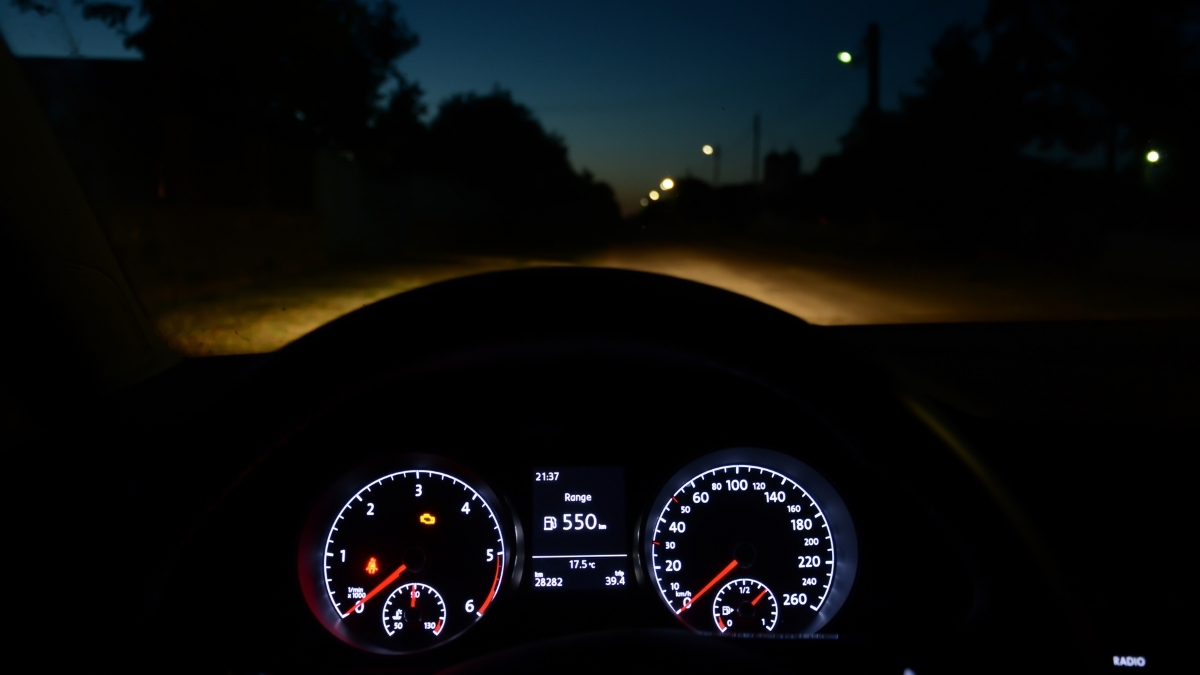
Night driving in Fes can be perfectly manageable in the right conditions, and unnecessarily stressful in the wrong ones. The biggest difference is not your confidence; it is visibility, fatigue, and the type of roads you choose. Some routes around Fes are well-lit and predictable, while others can feel dark, narrow, or busy with mixed road users (pedestrians, scooters, and slow vehicles).
At MarHire Car Fes, we’ve helped 6,000+ clients across Morocco with 120+ cars and 300+ reviews, and we see the same pattern: most night-driving issues are avoidable if you plan your timing, reduce glare risk, and know when it’s smarter to use a professional driver.
Table of Contents
Quick Overview
What Night Driving in Fes Really Feels Like
Road Lighting: Where It’s Better and Where It Drops
The 9 Safety Habits That Matter Most at Night
Common Night Risks Tourists Don’t Expect
When to Use a Driver in Fes
A Simple “Night Arrival” Plan for Fes
FAQ
Quick Overview
Night driving is easiest when you stay on main arteries, keep speeds conservative, and avoid “shortcuts.”
The most common night problems: glare, fatigue, unexpected pedestrians, and last-mile confusion near older areas.
If you feel rushed or tired, choose the safer option: delay the drive, shorten it, or use a driver.
Official Morocco guidance on night driving habits (visibility, fatigue, lights)
Practical fatigue prevention guidance (what to do when you feel sleepy at the wheel)
What Night Driving in Fes Really Feels Like
Fes is not one uniform driving environment. Your experience depends on where you are:
Ville Nouvelle / modern boulevards: generally wider roads, clearer lane structure, and more consistent lighting.
Older districts / near tight streets: more surprises, narrow lanes, short turns, double-parking, and people crossing late.
Out-of-city stretches: lighting can drop quickly, and visibility becomes the main constraint.
A good mindset is: drive for what you can see, not for what the road “should” allow.
Road Lighting: Where It’s Better and Where It Drops
Rather than listing “exact streets” (which can change with works and seasonal lighting), use a reliable rule:
Better-lit driving zones (typically easier)
Main boulevards in modern areas
Major connectors between central districts
High-traffic corridors where street lighting is consistent
Where lighting often drops (requires extra caution)
Peripheral routes leaving the city
Shortcuts through quieter residential streets
Rural edges and any road with fewer buildings and fewer lamps
Practical choice: at night, it is often safer to take a slightly longer route on a main road than a shorter route on a dark shortcut.
The 9 Safety Habits That Matter Most at Night
These habits reduce risk immediately, without needing local knowledge.
1) Clean your glass and mirrors before sunset
Night glare is amplified by dust and streaks. A quick wipe of:
windshield (inside and outside if possible)
mirrors
side windows
can significantly improve visibility.
2) Verify your lights in 30 seconds
Before you leave:
low beams on and even
no “one headlight out” situation
brake lights and indicators working
3) Lower your speed earlier than you think
At night, your stopping distance becomes more critical because hazards appear later. A simple rule: if you cannot stop comfortably within what your headlights illuminate, you are going too fast.
4) Increase following distance
You need more reaction time at night, especially with glare from oncoming vehicles.
5) Avoid staring at oncoming headlights
If glare is strong, shift focus slightly toward your lane boundary and keep your path steady.
6) Don’t “hunt” for turns at the last second
Missed turn? Keep going and reroute. Last-second lane changes cause most near-misses.
7) Plan your “last mile” before you move
Night confusion often happens in the final 1–2 km:
one-way patterns
parking entrances
hotel access points
Set your destination and identify where you will stop before you start driving.
8) If you feel sleepy, treat it as an emergency
Fatigue is not a minor inconvenience. If you notice heavy eyelids, wandering attention, or repeated lane drift:
pull over somewhere safe and well-lit
take a break
do not “push through”
Use this official fatigue guidance if you want a clear checklist of what to do: https://www.nhtsa.gov/risky-driving/drowsy-driving
9) Keep the cabin “low distraction”
Dim the dashboard brightness if it feels blinding, keep music low, and avoid phone handling. Calm cabin = better scanning.
Common Night Risks Tourists Don’t Expect
Unexpected pedestrians and scooters
In many cities, people cross where it’s convenient, not only at crosswalks. At night, assume:
a pedestrian can appear near the road edge
a scooter can filter alongside you at low speed
Your job is not to predict perfectly, your job is to drive with enough margin to react safely.
Road surface surprises
Even on familiar-looking roads, you can encounter:
uneven pavement
pooled water after rain
poorly visible speed bumps
Night driving rewards “smooth and slow,” not “fast and confident.”
Navigation stress
If you feel lost at night, the best move is not rapid decision-making, it is stopping safely and resetting your route.
When to Use a Driver in Fes
Night driving is not a test you must pass. Sometimes the smart choice is to use a driver, especially if the goal is to reduce risk and stress.
Consider using a driver when:
1) You arrive late after a long travel day
If you’ve had a flight, transfers, and a full day, fatigue is real. A driver turns your arrival into a calm check-in instead of a high-focus drive.
2) Your accommodation access is complicated
If your hotel/riad requires:
tight streets
confusing access lanes
a specific drop-off point
a driver can handle the “last mile” smoothly while you travel lighter.
3) Weather reduces visibility
Rain, fog, or strong glare conditions are a good reason to avoid driving if you’re not confident. Night + weather multiplies complexity.
4) You plan to leave the city on dark roads
If your route includes quieter stretches outside the city after dark, using a driver can be the safer choice, especially if you’re unfamiliar with the road.
5) You’re traveling with family or a group
With kids or tired passengers, the cost of a stressful night drive is higher. A driver reduces fatigue and keeps the group calm.
A Simple “Night Arrival” Plan for Fes
If you must drive at night, use this plan:
Schedule pickup earlier when possible so your first drive is in daylight
Choose a main-road route even if it adds minutes
Park once and walk rather than trying to stop “at the exact door” in a tight area
Do a quick safety reset: fuel check, phone charging, lights verified
If fatigue starts: stop, rest, or switch strategy (driver / taxi / delay)
For Morocco-specific night-driving reminders (visibility, lights, fatigue), keep this page saved:
https://www.narsa-securiteroutiere.ma/fr/nos-conseils-pour-bien-conduire-la-nuit/
FAQ
Is night driving in Fes safe for tourists?
It can be, if you stay on main roads, drive conservatively, and avoid fatigue. The biggest risk factor is usually tiredness plus unfamiliar routes.
Is it better to pick up a car in daylight?
Yes. If you can, schedule pickup in daylight so your first drive is low-stress.
What should I do about glare from headlights?
Clean your windshield, avoid staring into lights, slow down slightly, and increase following distance.
When is it smarter to use a driver?
Late arrivals, bad weather, complex accommodation access, and any time you feel tired or uncertain.
What’s the biggest tourist mistake at night?
Trying to “push through” when sleepy. If you’re tired, stop and reset.
 Same prices and offers